Category: LxC Lectures

  • Inaugural Lecture 2025-2026 with Prof. Gabriele Brandstetter

    Inaugural Lecture 2025-2026 with Prof. Gabriele Brandstetter

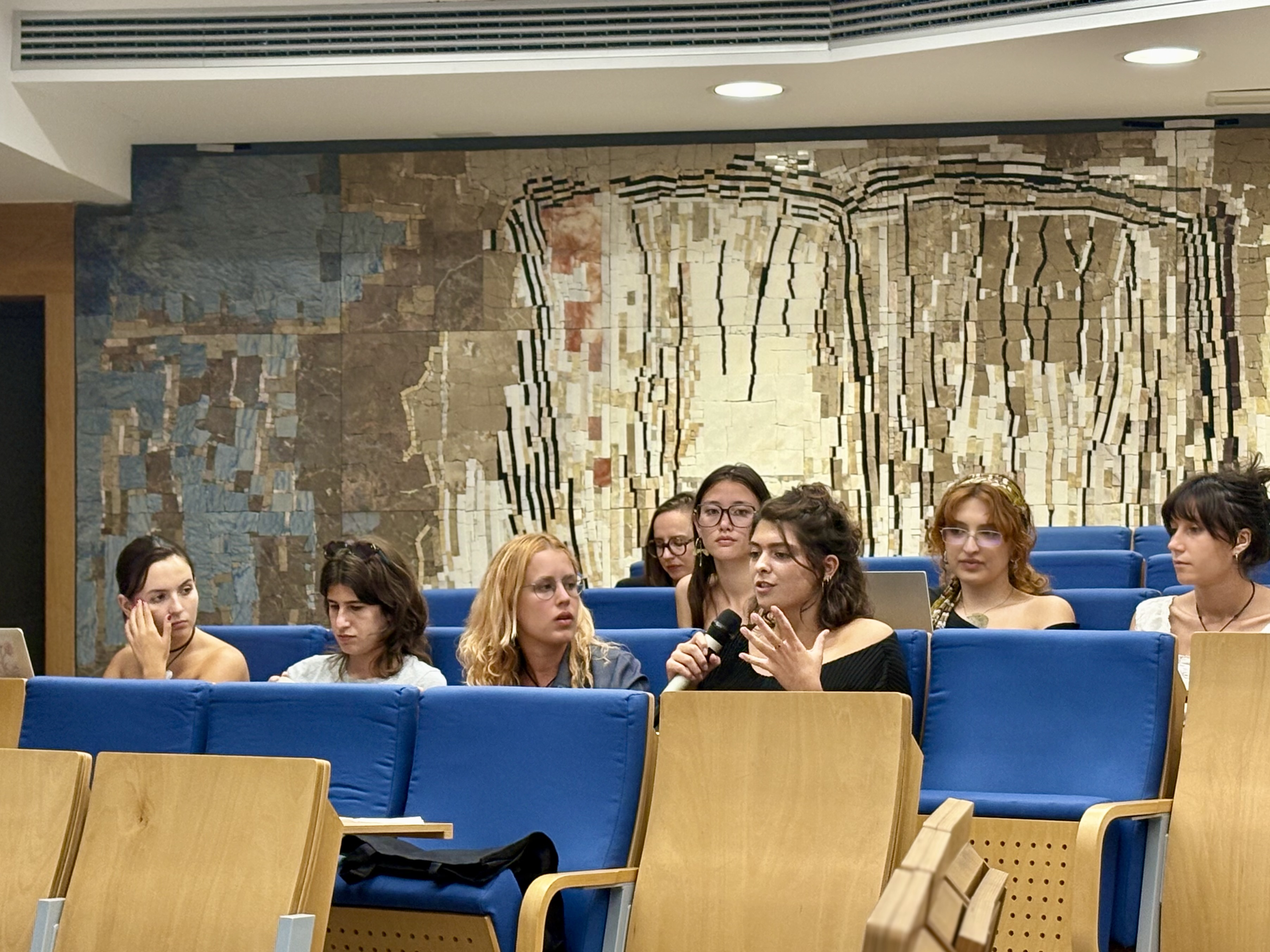
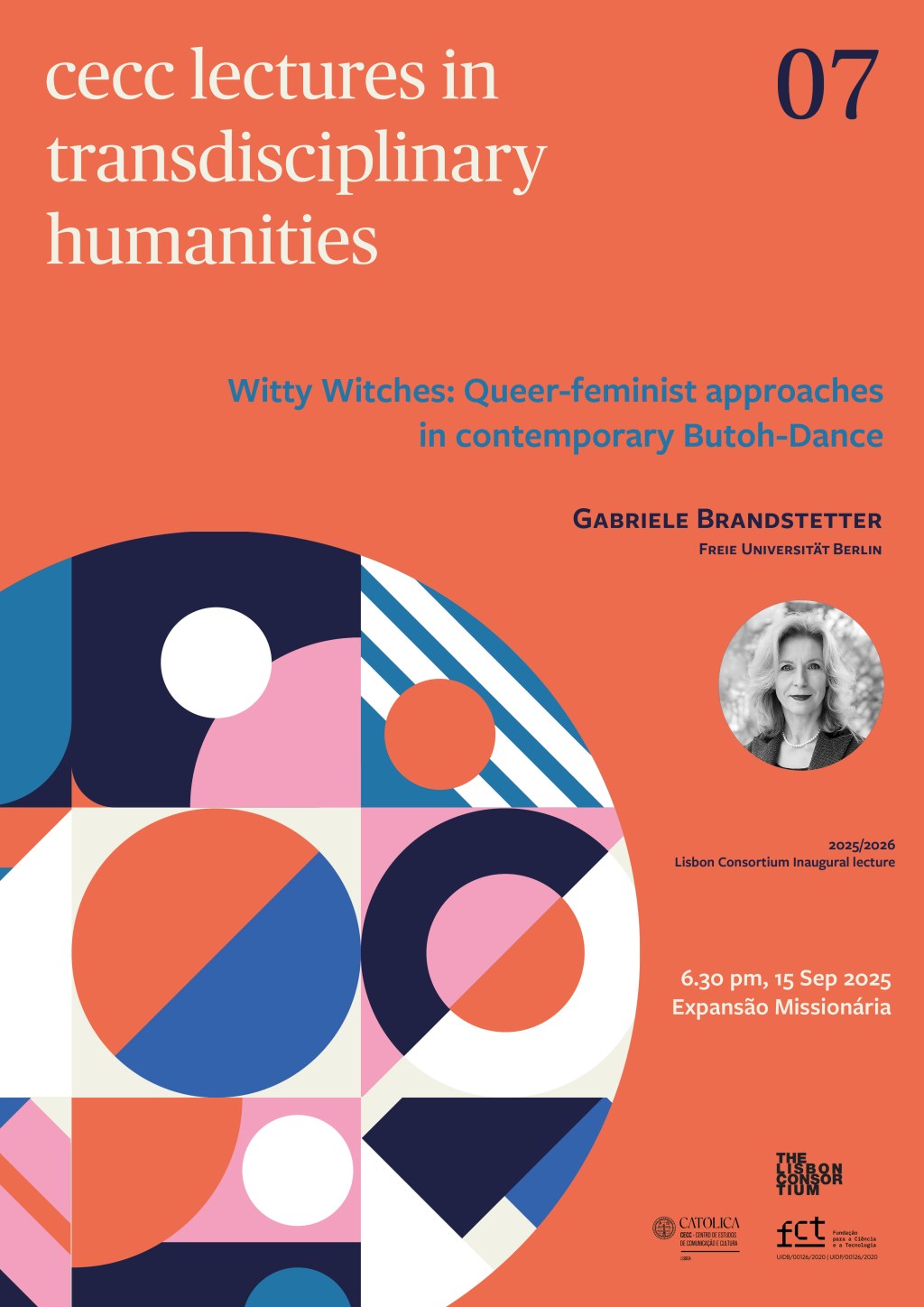
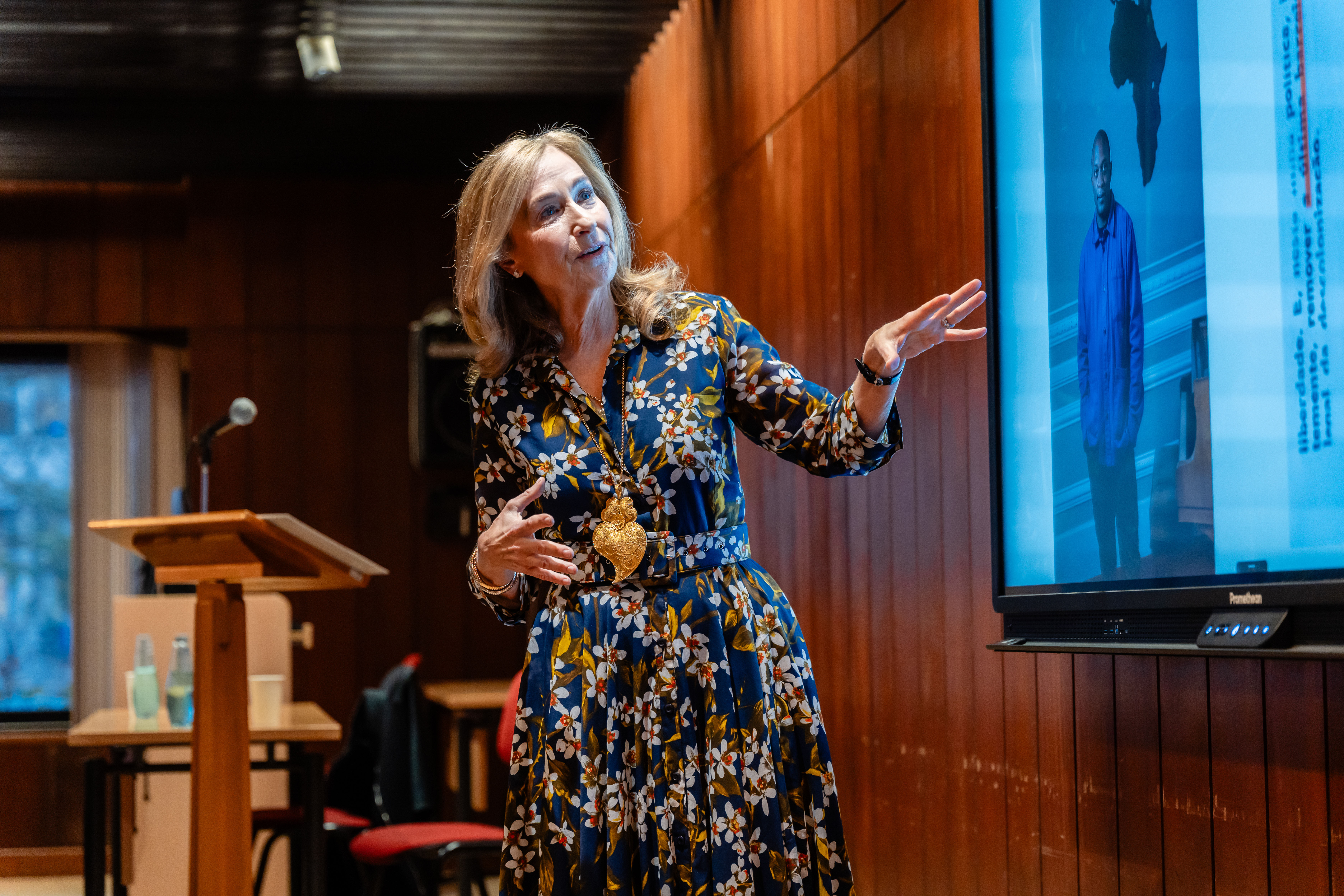
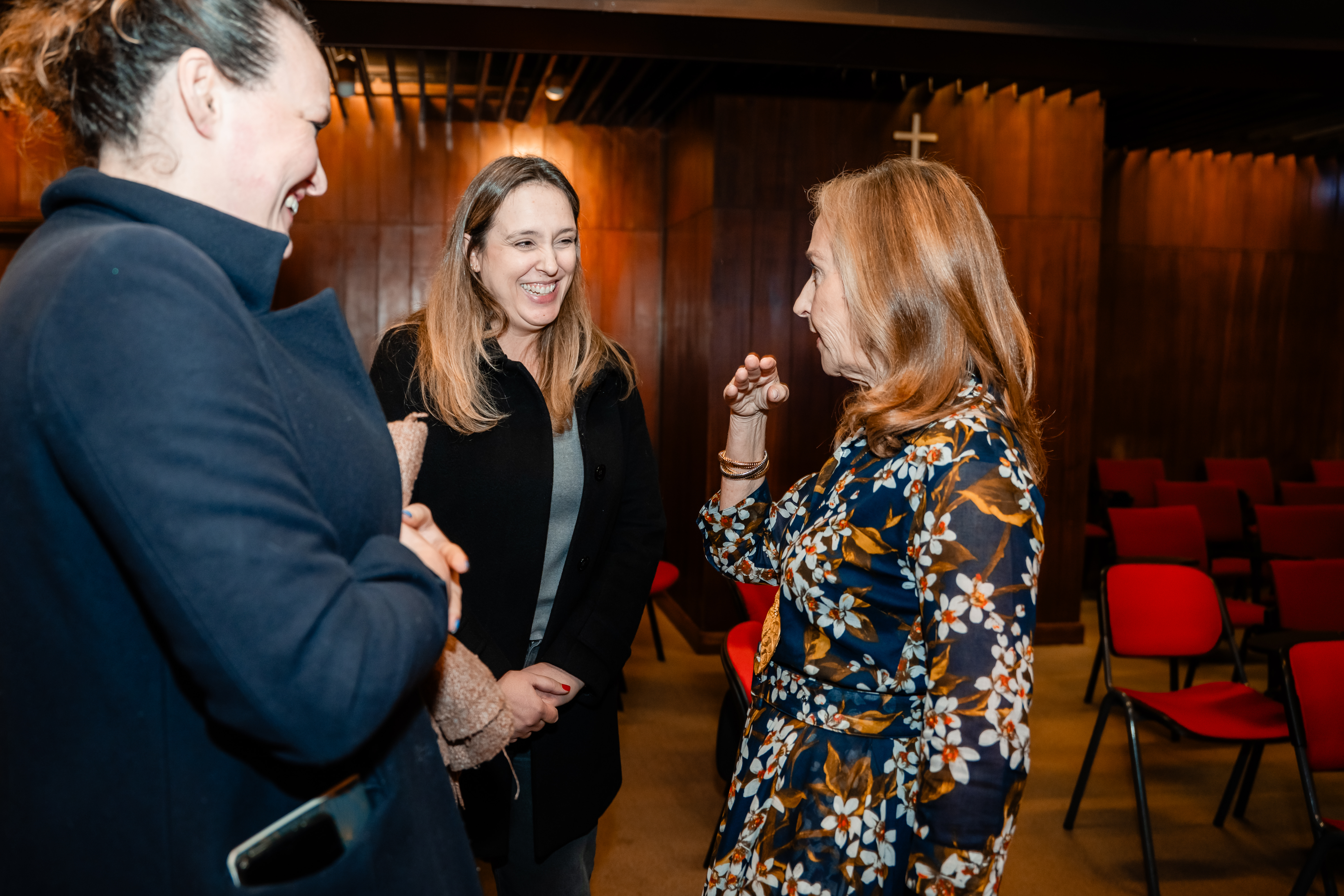
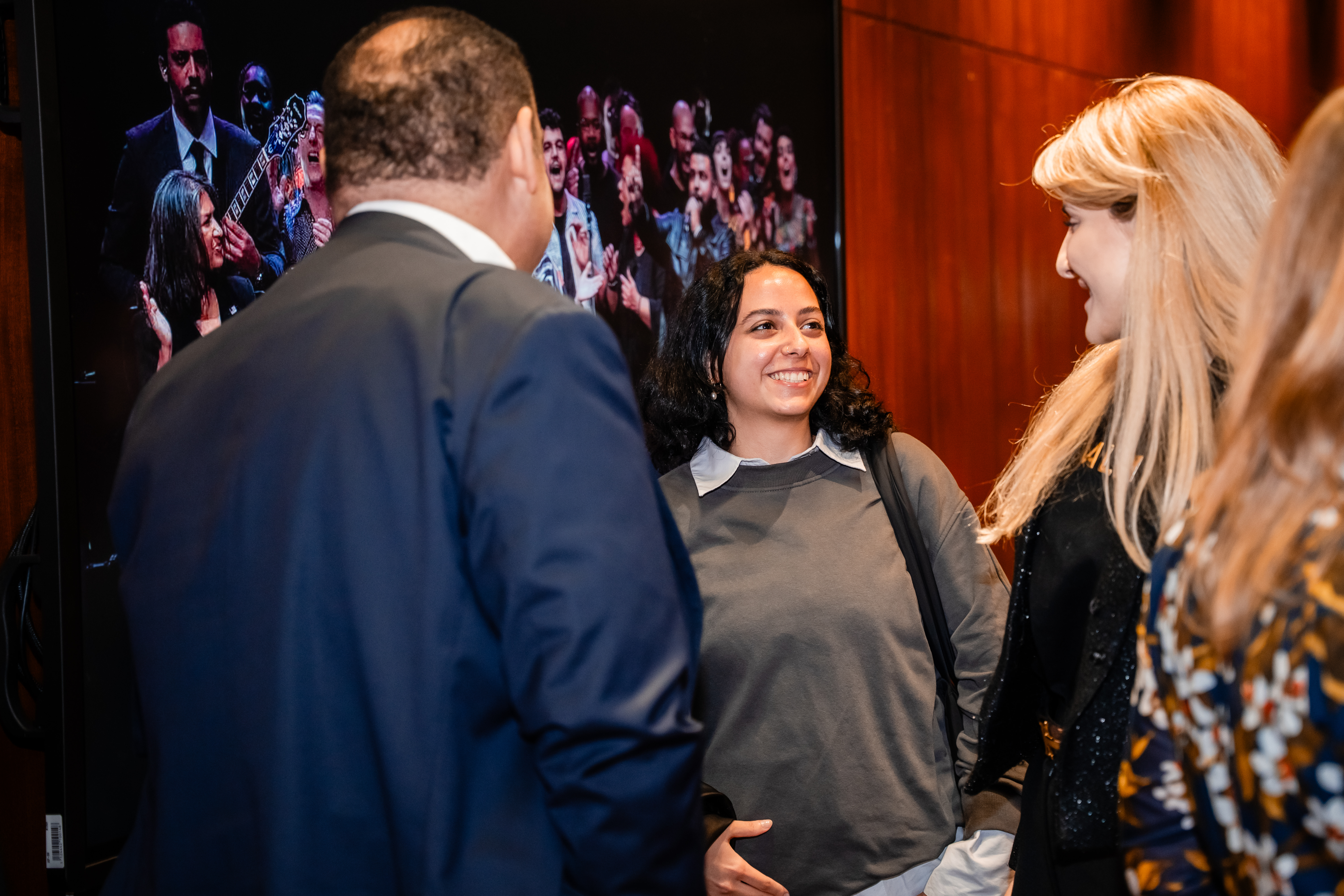
    The Inaugural Lecture 2025-2026 was given by Prof. Gabriele Brandstetter, a pioneer in Dance Studies from Freie Universität Berlin about ”Wicked Witches: Queer-feminist approaches in contemporary Butoh-Dance.” We thank CECC for the collaboration, as well as everyone present!

  • Inaugural lecture 2025-2026 15 September, 2025, 18:30

    Inaugural lecture 2025-2026 15 September, 2025, 18:30

    The Inaugural Lecture 2025-2026 of the Lisbon Consortium, organized in collaboration with CECC (Research Centre for Communication and Culture), will take place on 15 September 18:30 in room 131 (Faculty building).

    Gabriele Brandstetter 

    (Freie Universität Berlin)

    15 September 18:30 (Room: Exp. Missionária, Library building)

    Prof. Gabriele Brandstetter is Professor of Theatre and Dance Studies at Freie Universität Berlin and since 2008 co-director of the International Research Centre “Interweaving Performance Cultures.” Her research focus is on the history and aesthetics of dance from the 18th century until today, theatre and dance of the avant-garde; contemporary theatre and dance, performance, theatricality and gender differences; concepts of body, movement and image.

    The lecture will be informed by Marlene Monteiro’s NÔT that is in exhibition in Culturgest next week. (More information: https://www.culturgest.pt/en/whats-on/marlene-monteiro-freitas-not/)

  • Honorary Professor Randi Charno Levine Delivers Lecture on Art and Diplomacy

    Honorary Professor Randi Charno Levine Delivers Lecture on Art and Diplomacy

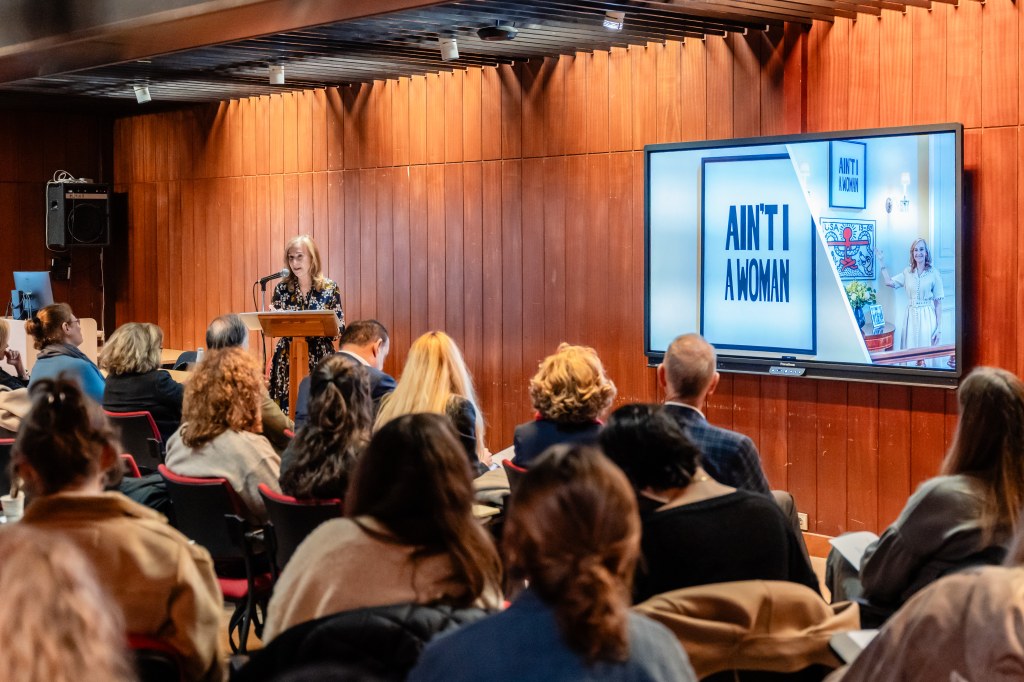
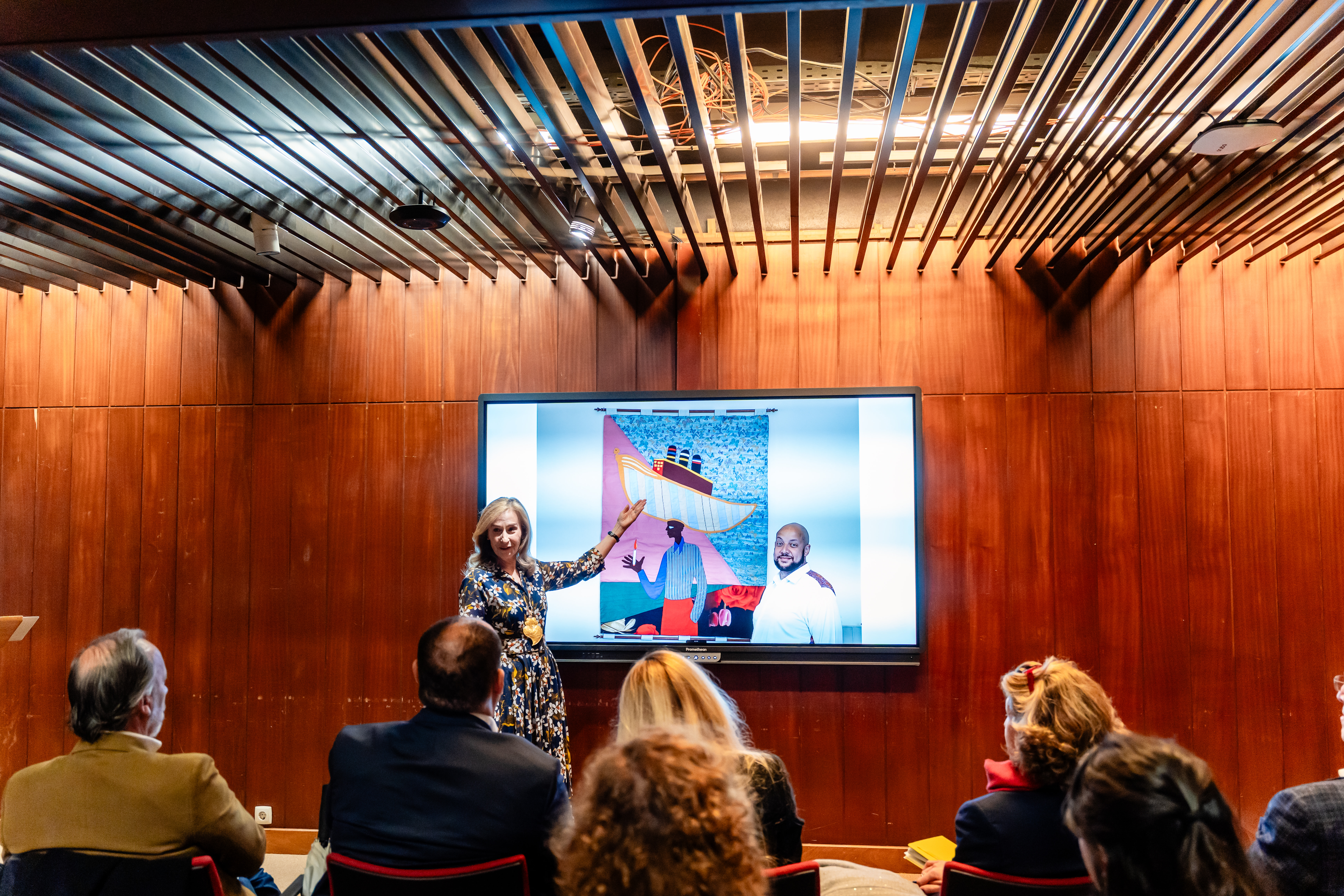
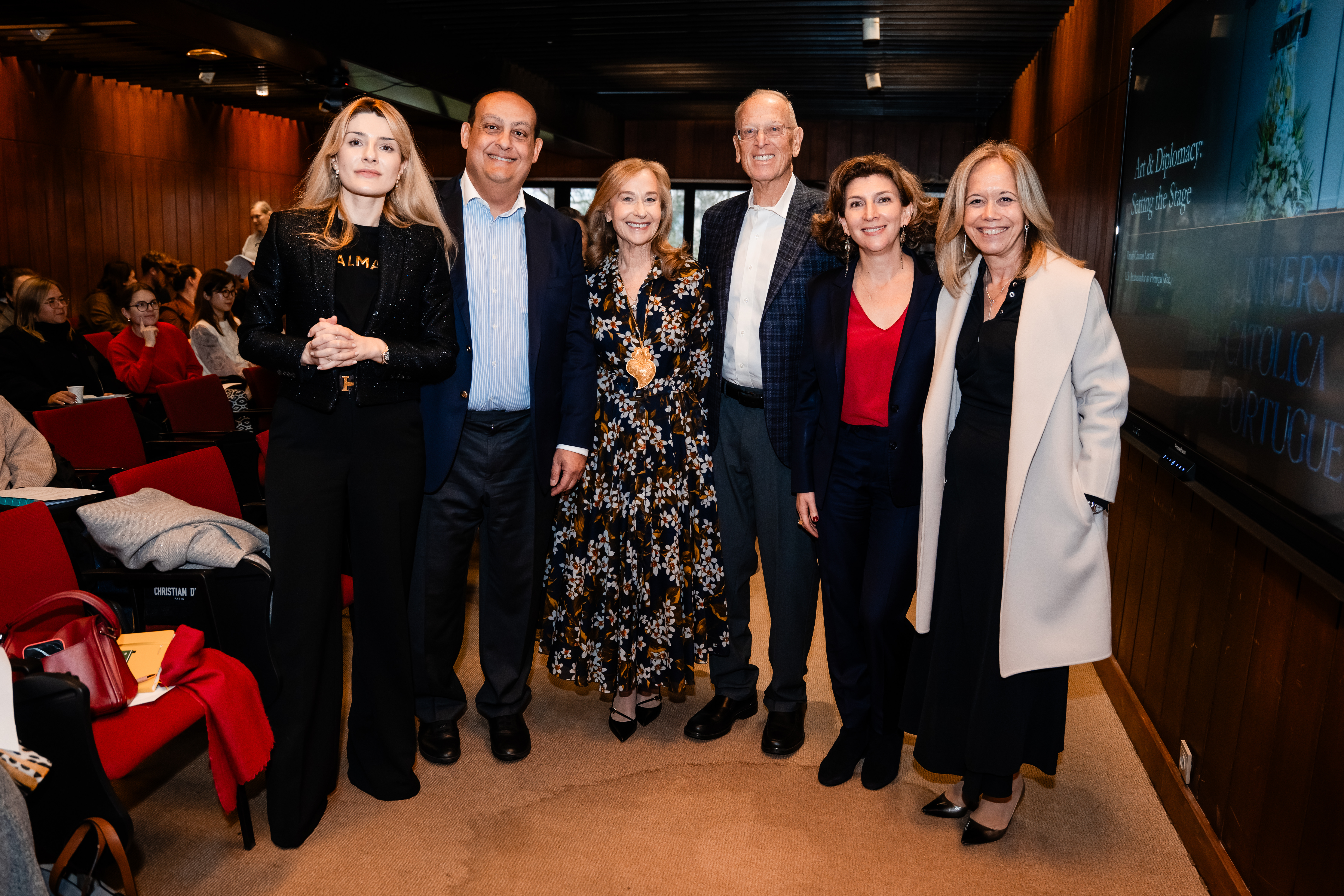
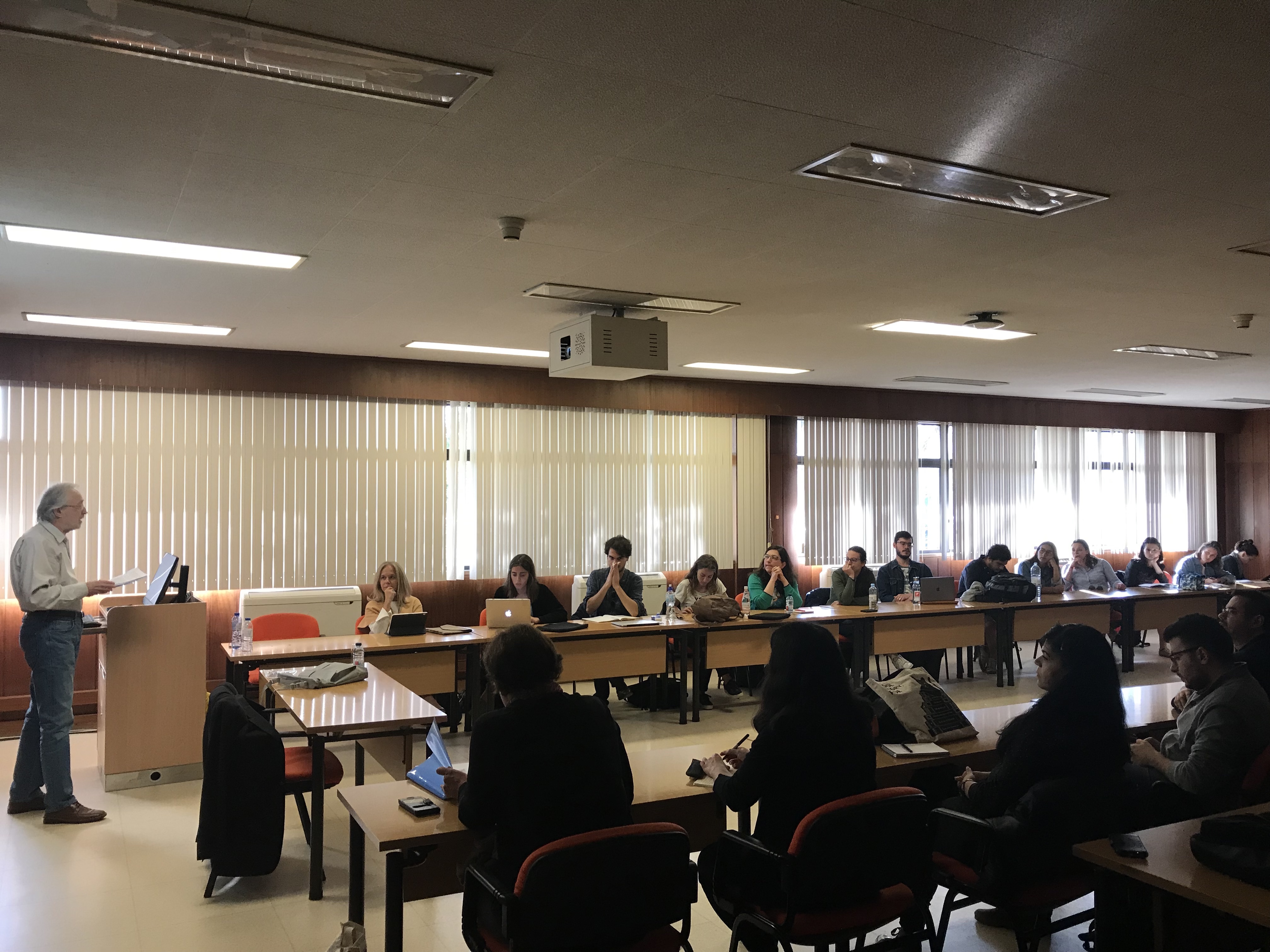
    On March 5, 2025, Professor Randi Charno Levine, former U.S. Ambassador to Portugal, gave the opening lecture as Honorary Professor in Art and Diplomacy for Master’s and Doctoral students in Culture Studies at the Faculty of Human Sciences (UCP). The lecture “Art and Diplomacy: Setting the Stage,” explored the intersection of art and diplomacy, examining how cultural engagement serves as a powerful tool in international relations, introducing several collaborations and projects in the field of visual arts, music, and culinary diplomacy.  

    Drawing from her extensive career as a writer, curator, and advocate for the arts in prestigious institutions such as the National Portrait Gallery, the Metropolitan Museum of Art (MET), and the Museum of Modern Art (MoMA), Professor Levine discussed how public policy goals can be articulated with arts and culture.

    During the 2023-2024 academic year, students in the Culture Studies program had already experienced Professor Levine’s cultural diplomacy firsthand during their visit to Celebrating Diversity, an Art in Embassies exhibition at the U.S. Ambassador’s residence, Casa Carlucci. The exhibition showcased what Ambassador Levine considers to be the best of America – the diversity of its citizens. Moreover, Ambassador Levine was the driving force behind the UN Oceans Summit Exhibition (2022) in Casa Carlucci, as well as bringing the Next Level Hip Hop project and promoting the Black History Month in Portugal. Additionally, her involvement in culinary diplomacy led to collaborations with local chefs, Ukrainian refugees, and Portuguese veterans.

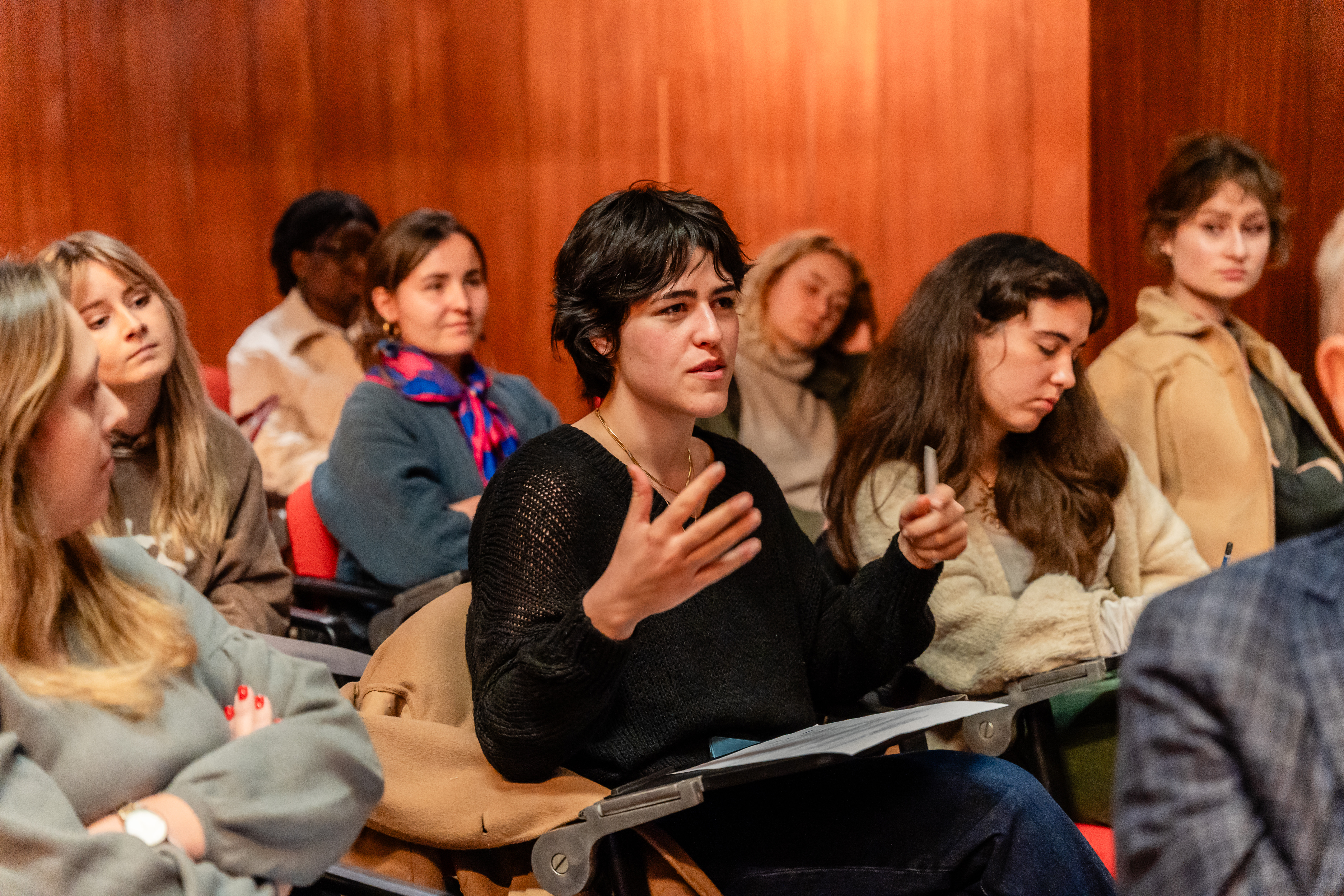
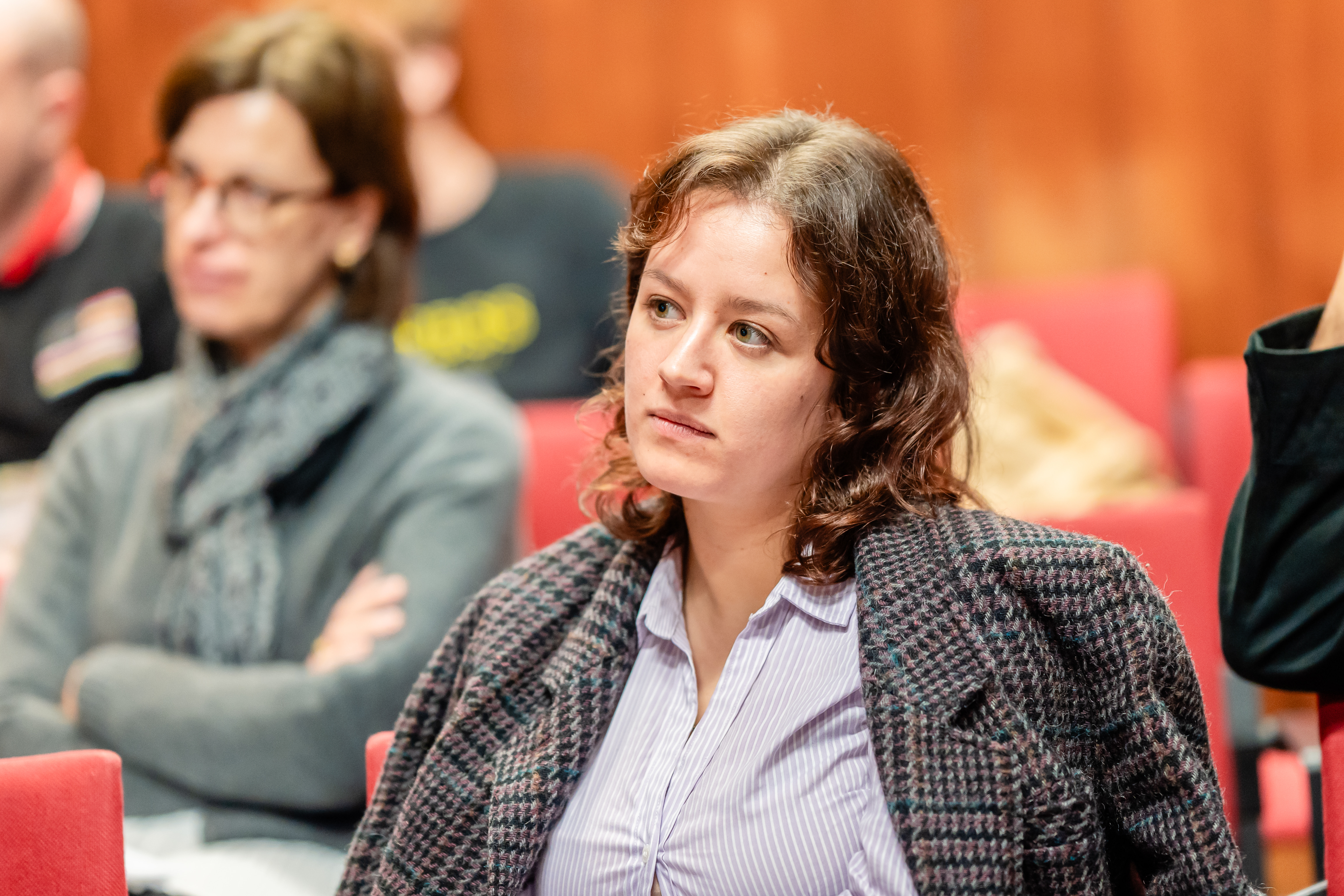
    The lecture sparked engaging discussions with the students about how cultural and artistic initiatives can be designed and executed through collaborations with public, private, and third-sector partners. Students expressed particular interest in strategies for building trust in these networks, especially when working with individuals, groups, and stakeholders with different backgrounds. Professor Levine stressed the importance of authenticity and openness to dialogue as key elements in fostering successful cultural diplomacy.

    Another central topic of discussion was how to grant sustainability and continuity to cultural projects when the circumstances change, or the official project period comes to an end. Professor Levine emphasized that while partnerships play a significant role in sustaining initiatives, continuity does not solely depend on formal measures. While cultural diplomacy may not directly resolve conflicts, it plays a central role in enabling people-to-people dialogue. The younger generations play a particularly important role in these conversations and exchanges.

    This lecture marked the beginning of a series of classes by Professor Levine, who expressed her excitement about engaging with students and continuing collaborating on a dynamic curriculum designed to empower them in their future careers.
  • Lisbon Consortium Lecture

    Lisbon Consortium Lecture

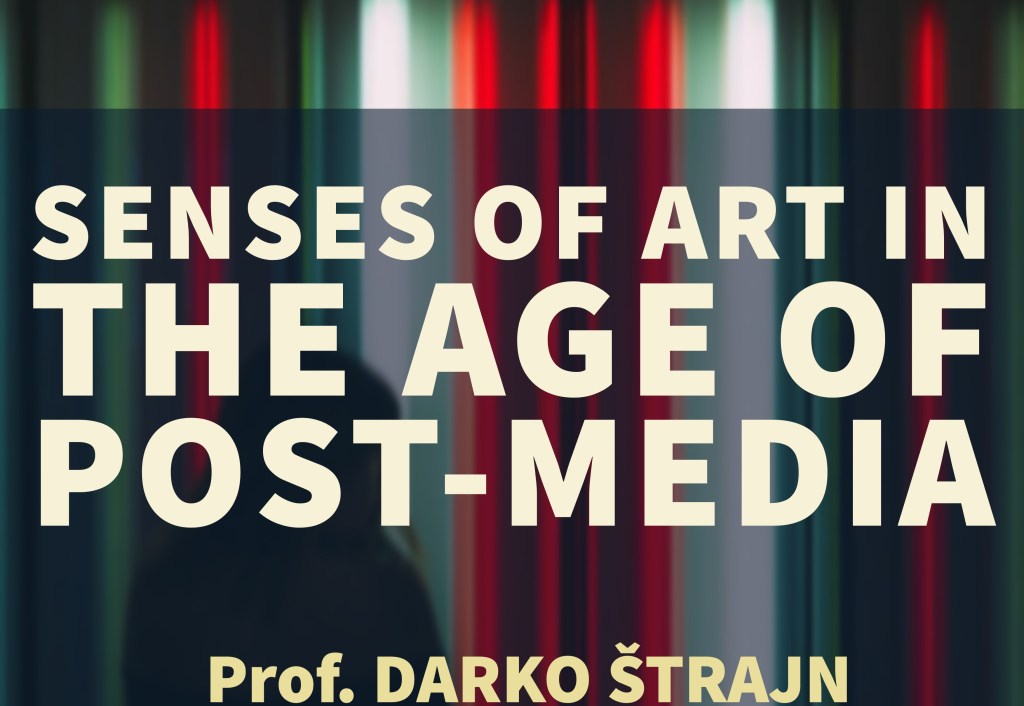
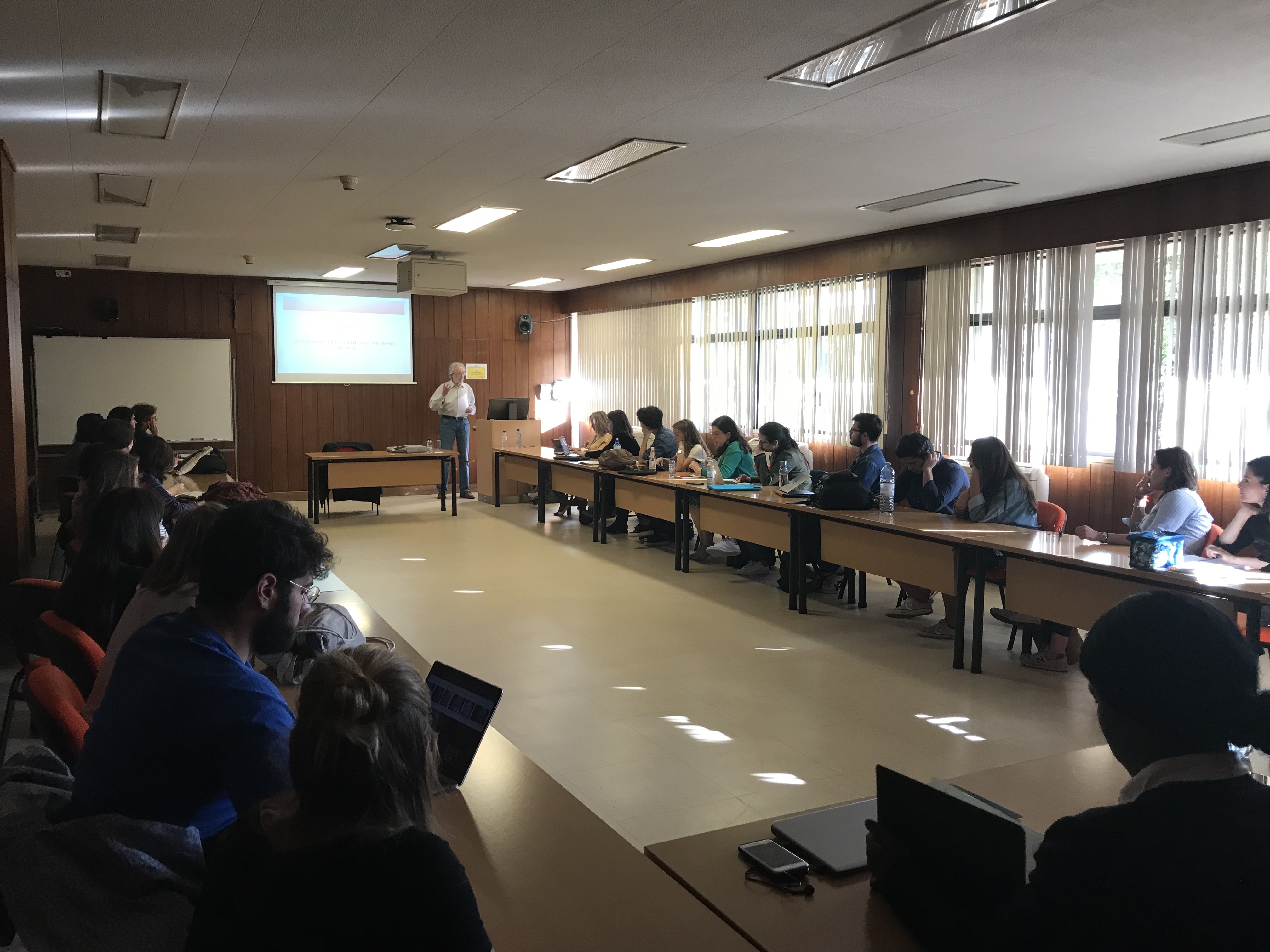
    Lisbon Consortium Lecture Darko Štrajn

    April 30 – 18h30 | Room Descobrimentos Portugueses

    SENSES OF ART IN THE AGE OF POST-MEDIA 

    Since the first obvious indications of the inception of the times of the “end of representation” – as Deleuze pointed out half a century ago – we have to deal with a widespread awareness about the persevering change of art and of reflections about art in the framework of social, institutional and technological contexts. The analysis of interactions, starting with the invention of film/cinema, artistic practice and theory, including aesthetics, highlights the importance of the notions, categories and agencies of movement. The emergence of so-called post-media epoch signals a new decisive change following the one, which was revealed as the overwhelming onset of mass culture and the other that has been marked as the event (Badiou) of the revolution of the 1960s. As the theoretical indecision about the features of an on-going new change seems to be still dominant, the practice of art of any conceivable variety reflects basically the same indecision. The fact that “film” is still the notion, which by and large means moving images, while the digitalization made the material (celluloid) film obsolete, is an elementary metaphor of the process of a vanishing of signifiers, related to the notion of art. However, in a more complex term, the questions about the correlation between form and content are re-emerging in novel configurations as well as the epistemological and ontological problems of aesthetics, concerning the designations of objects of analysis. In these settings the art does not necessarily need to be militant or socially involved to be political, since the categories of truth and reality are destroyed through the mediatic dissipation of notions of subjectivity and objectivity. In the elaboration I am trying to answer what actually is a still undefined change, which, nonetheless, instigates a flawed thinking of a repetition of the transformation of social meanings and effects of modernism from 20th century. Of course, my own answer to the complex question will and cannot be definitive, but what is important is to keep alive a search for an answer about the senses of art in the world operated by the forces of software and neoliberal economy/ideology.  

    Index terms change; digitalization; film; art; mass culture; movement; post-media