Photographs @ Federico Domingues Foto
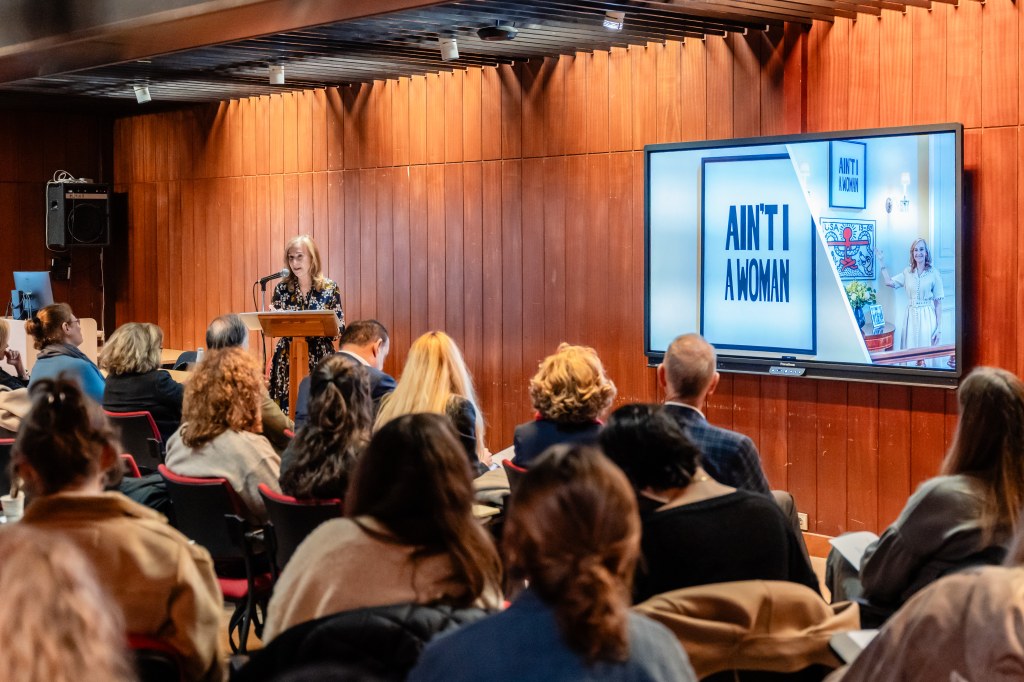
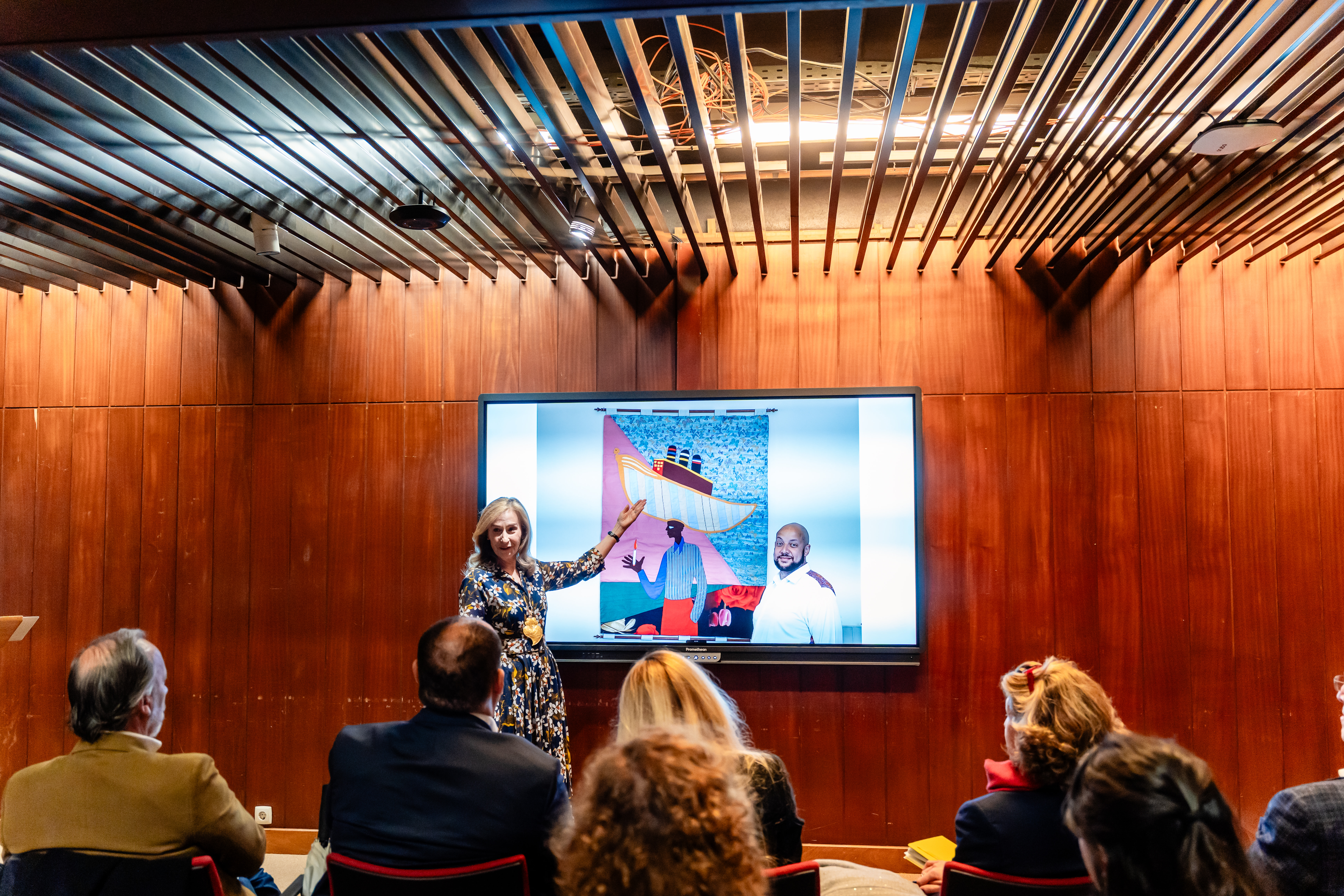
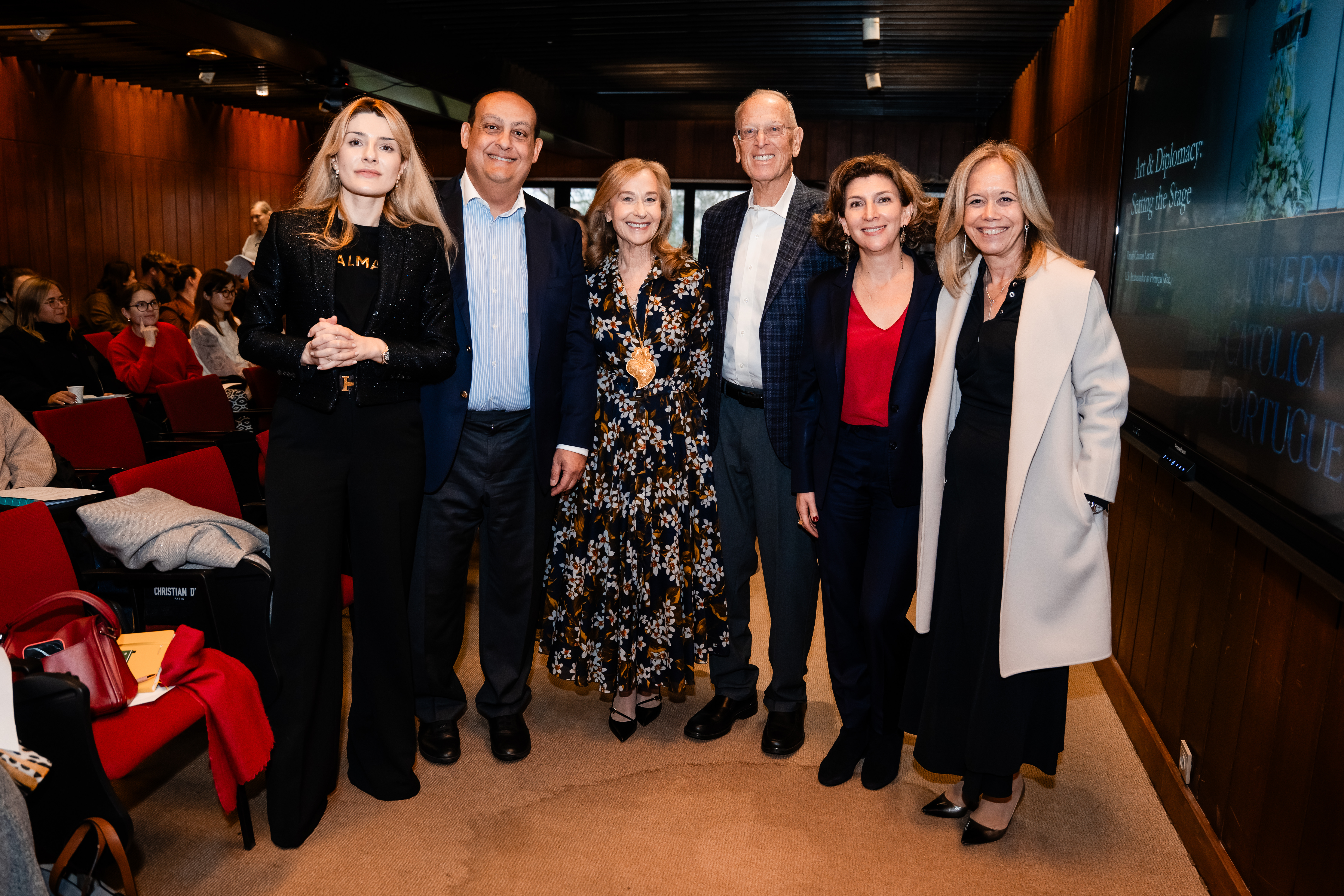
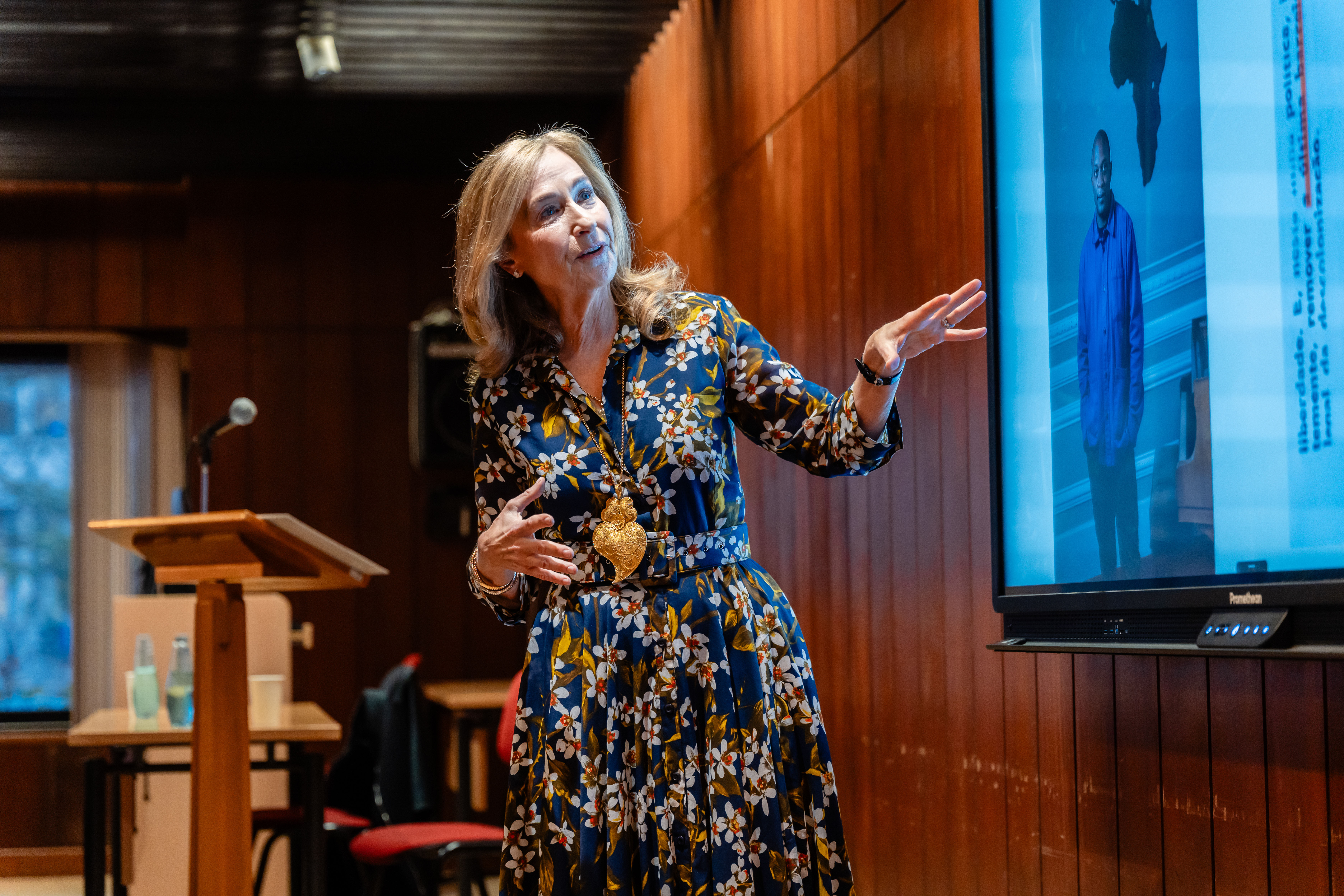
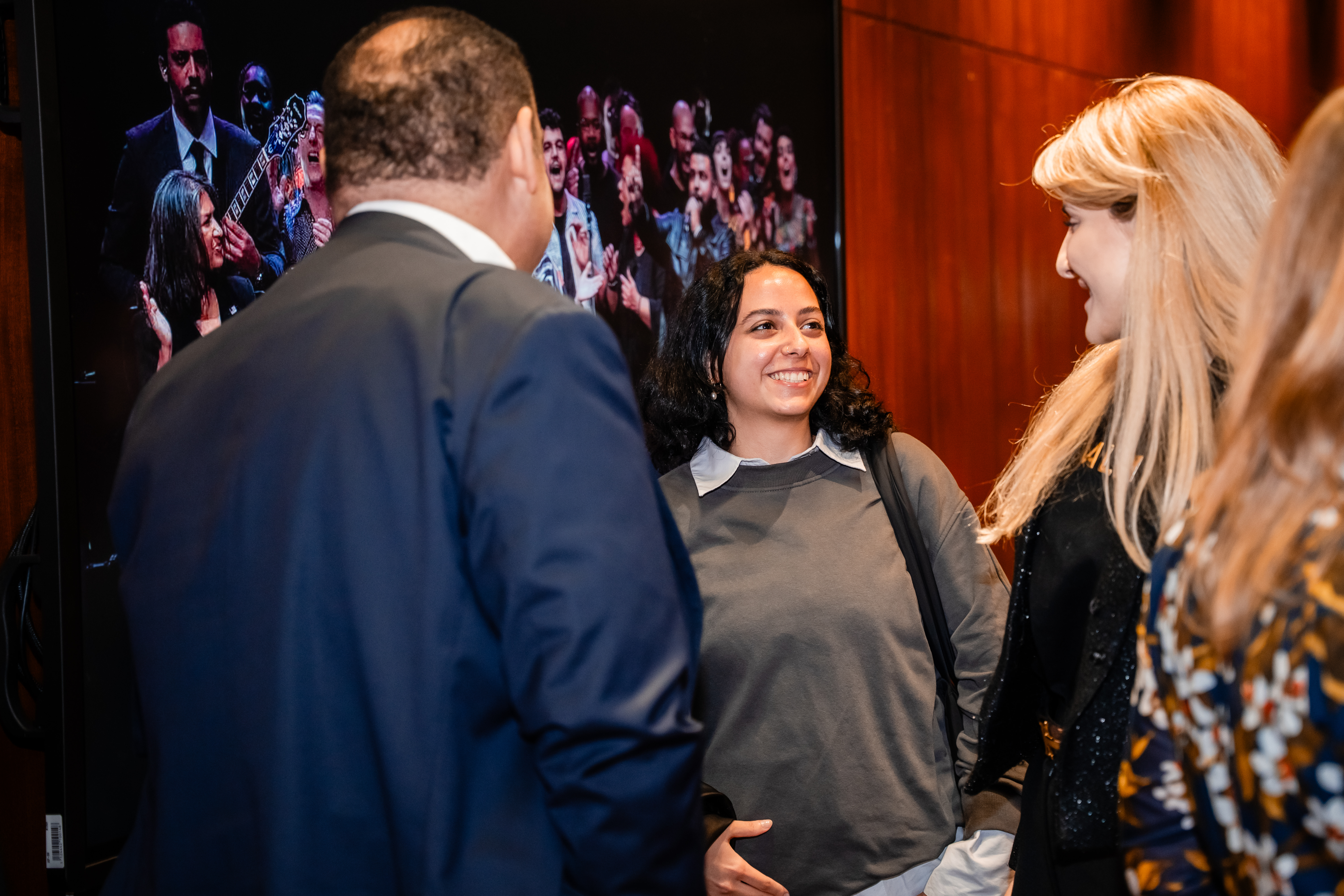
On March 5, 2025, Professor Randi Charno Levine, former U.S. Ambassador to Portugal, gave the opening lecture as Honorary Professor in Art and Diplomacy for Master’s and Doctoral students in Culture Studies at the Faculty of Human Sciences (UCP). The lecture “Art and Diplomacy: Setting the Stage,” explored the intersection of art and diplomacy, examining how cultural engagement serves as a powerful tool in international relations, introducing several collaborations and projects in the field of visual arts, music, and culinary diplomacy.
Drawing from her extensive career as a writer, curator, and advocate for the arts in prestigious institutions such as the National Portrait Gallery, the Metropolitan Museum of Art (MET), and the Museum of Modern Art (MoMA), Professor Levine discussed how public policy goals can be articulated with arts and culture.
During the 2023-2024 academic year, students in the Culture Studies program had already experienced Professor Levine’s cultural diplomacy firsthand during their visit to Celebrating Diversity, an Art in Embassies exhibition at the U.S. Ambassador’s residence, Casa Carlucci. The exhibition showcased what Ambassador Levine considers to be the best of America – the diversity of its citizens. Moreover, Ambassador Levine was the driving force behind the UN Oceans Summit Exhibition (2022) in Casa Carlucci, as well as bringing the Next Level Hip Hop project and promoting the Black History Month in Portugal. Additionally, her involvement in culinary diplomacy led to collaborations with local chefs, Ukrainian refugees, and Portuguese veterans.
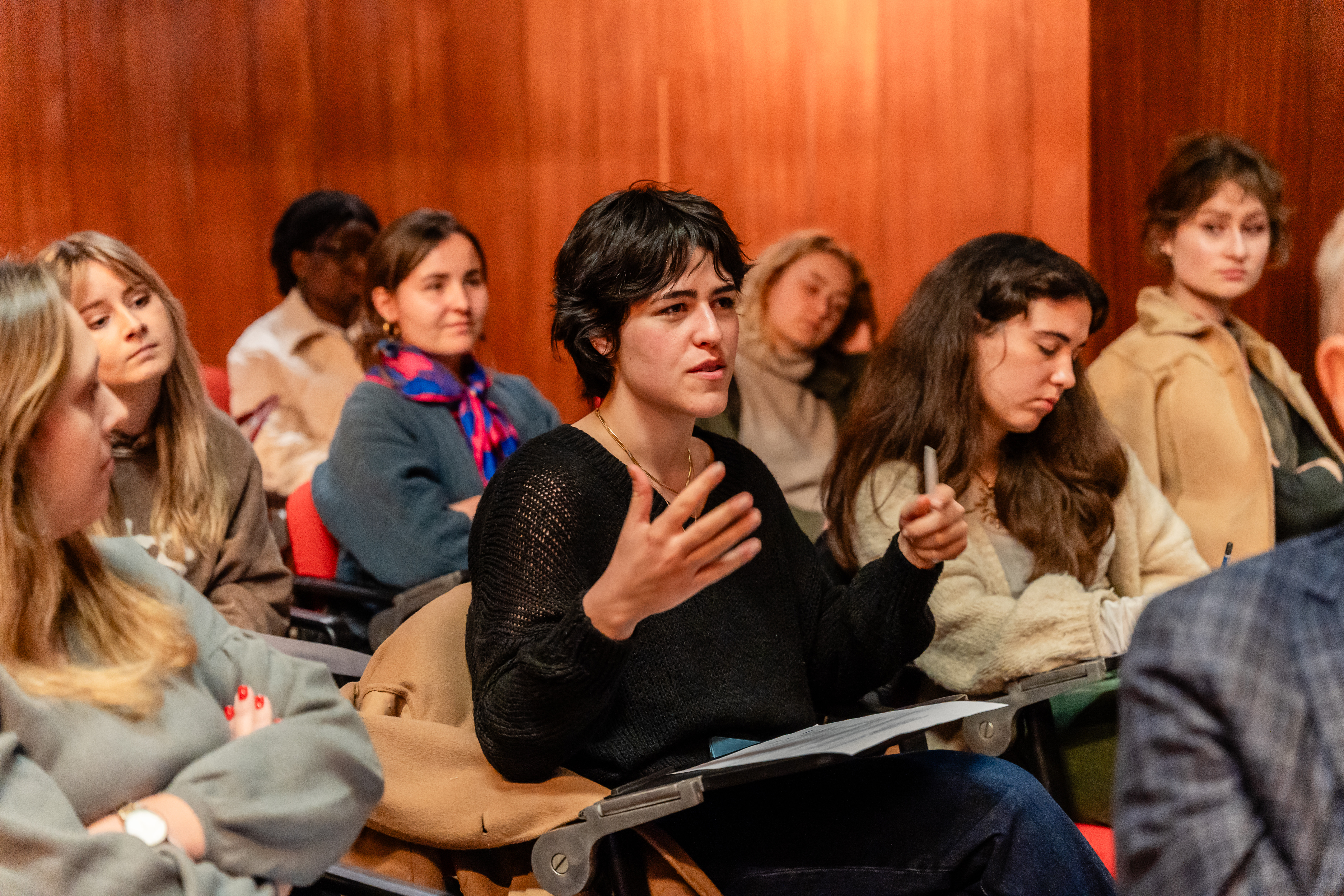
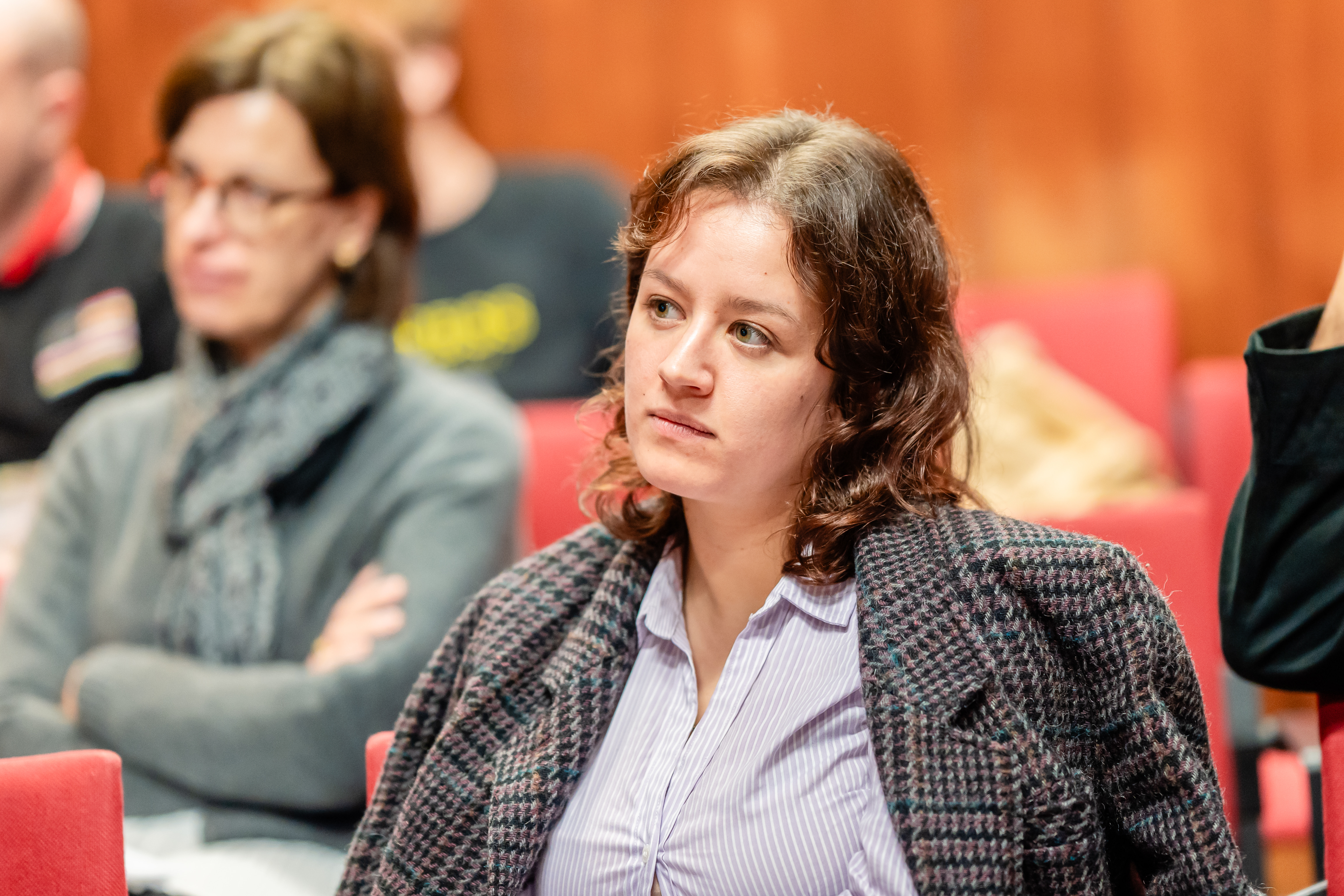
The lecture sparked engaging discussions with the students about how cultural and artistic initiatives can be designed and executed through collaborations with public, private, and third-sector partners. Students expressed particular interest in strategies for building trust in these networks, especially when working with individuals, groups, and stakeholders with different backgrounds. Professor Levine stressed the importance of authenticity and openness to dialogue as key elements in fostering successful cultural diplomacy.
Another central topic of discussion was how to grant sustainability and continuity to cultural projects when the circumstances change, or the official project period comes to an end. Professor Levine emphasized that while partnerships play a significant role in sustaining initiatives, continuity does not solely depend on formal measures. While cultural diplomacy may not directly resolve conflicts, it plays a central role in enabling people-to-people dialogue. The younger generations play a particularly important role in these conversations and exchanges.
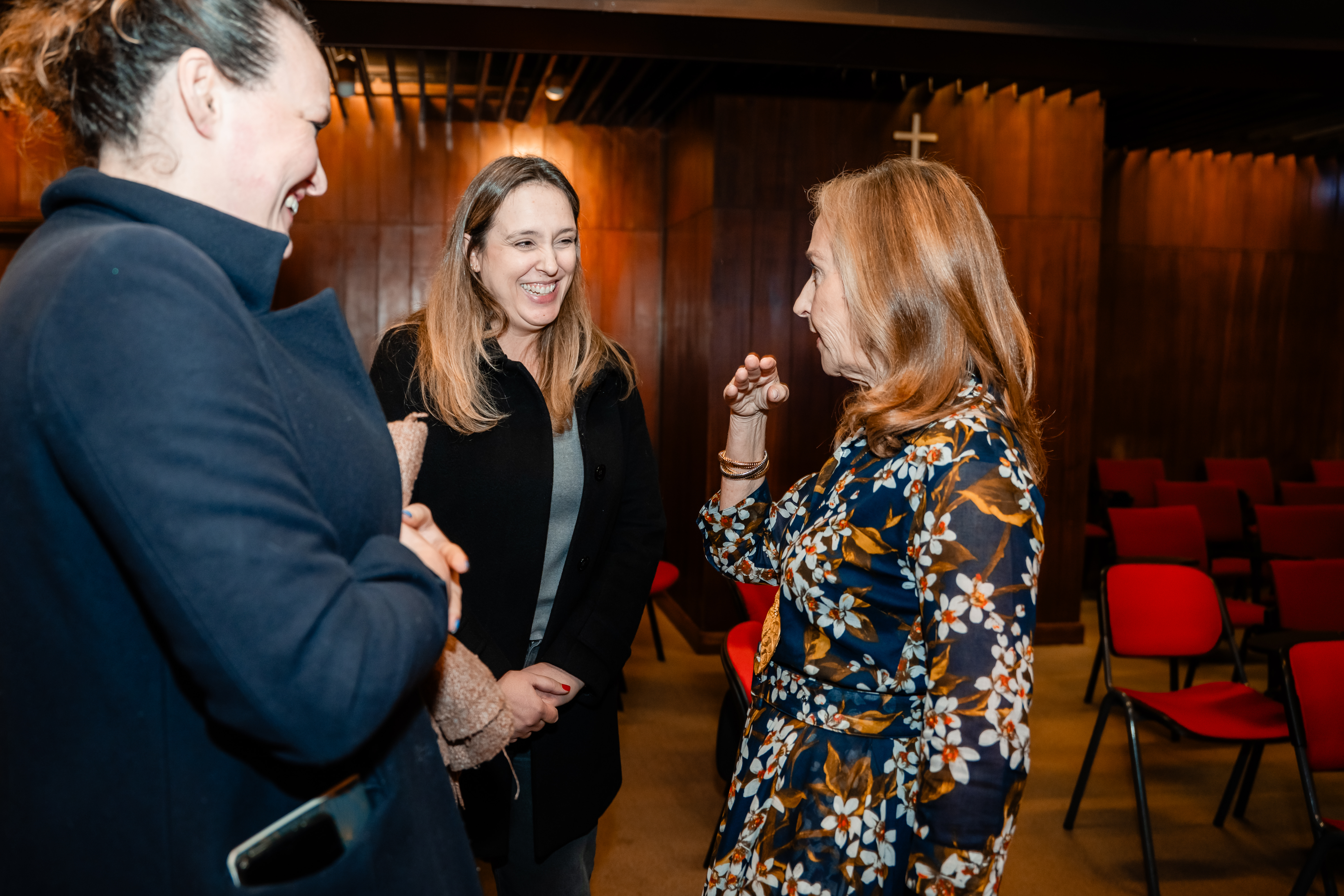
This lecture marked the beginning of a series of classes by Professor Levine, who expressed her excitement about engaging with students and continuing collaborating on a dynamic curriculum designed to empower them in their future careers.





Photographs @ Federico Domingues Foto
 The Lisbon Consortium