Author: lisbonconsortium

  • Opening | Window on the World

    Opening | Window on the World

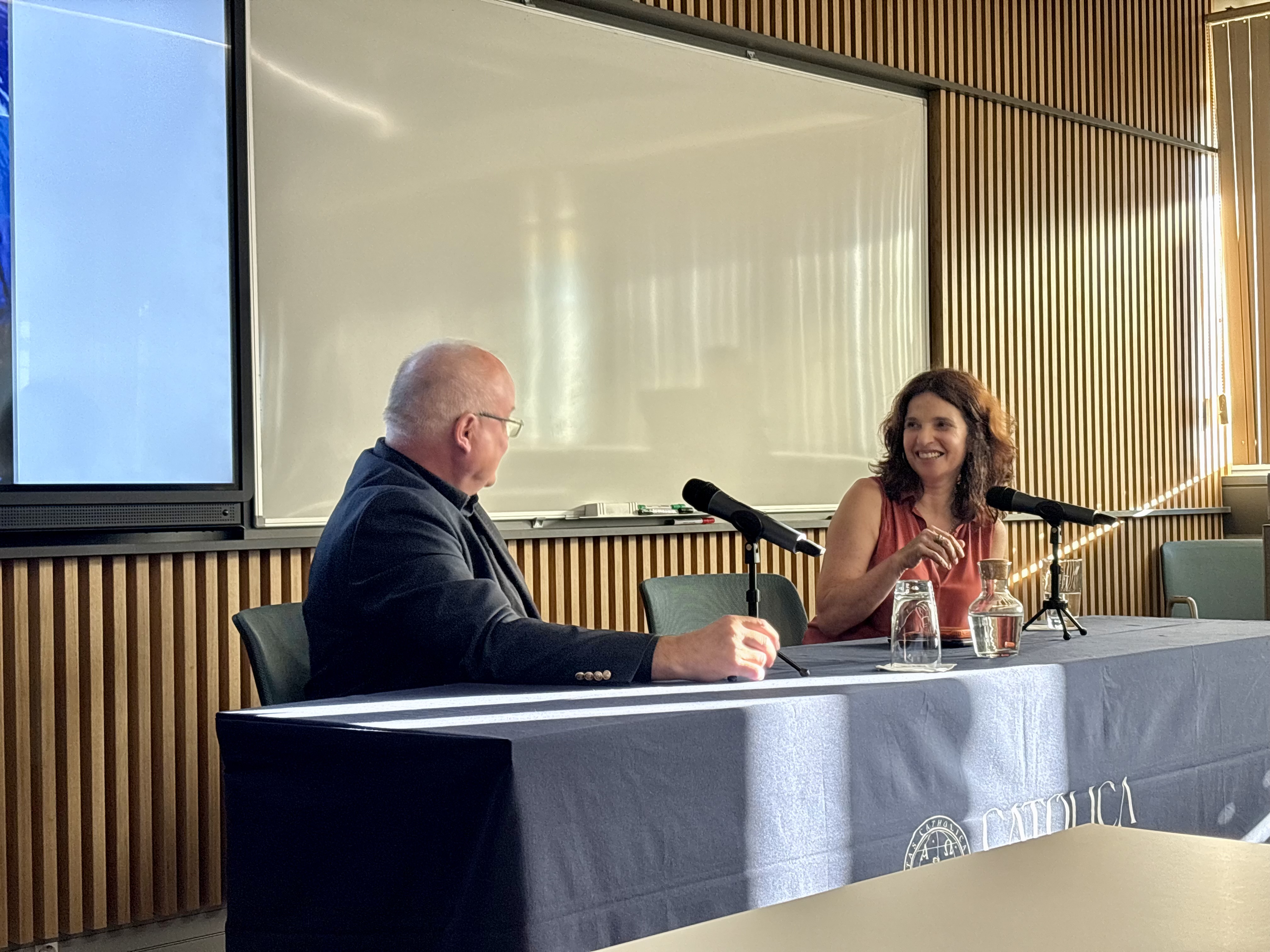
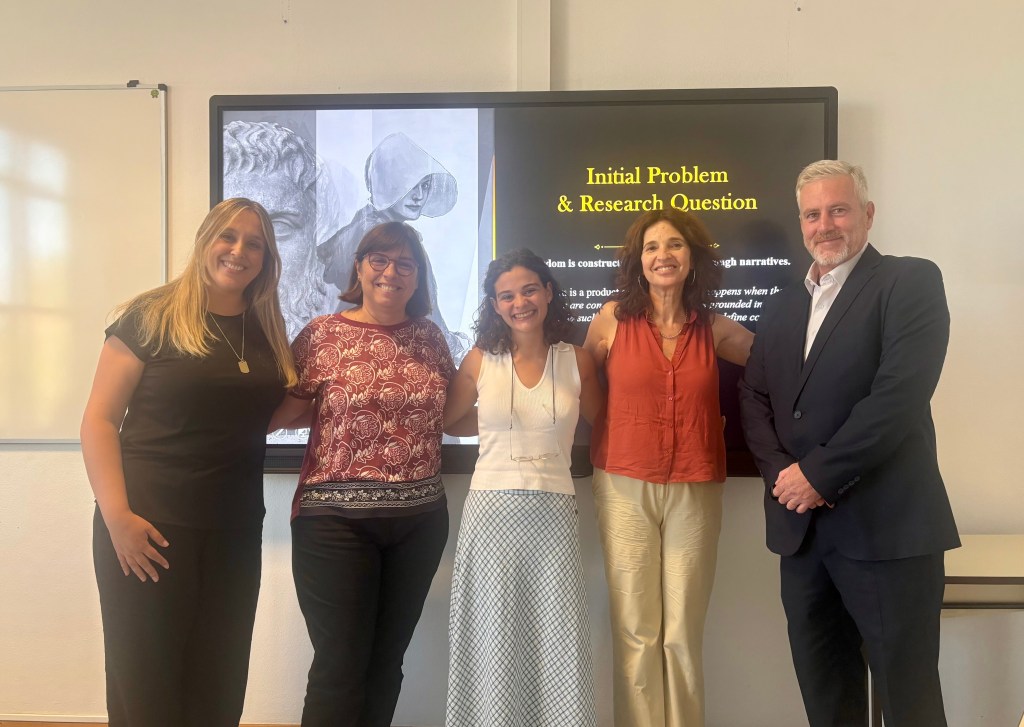
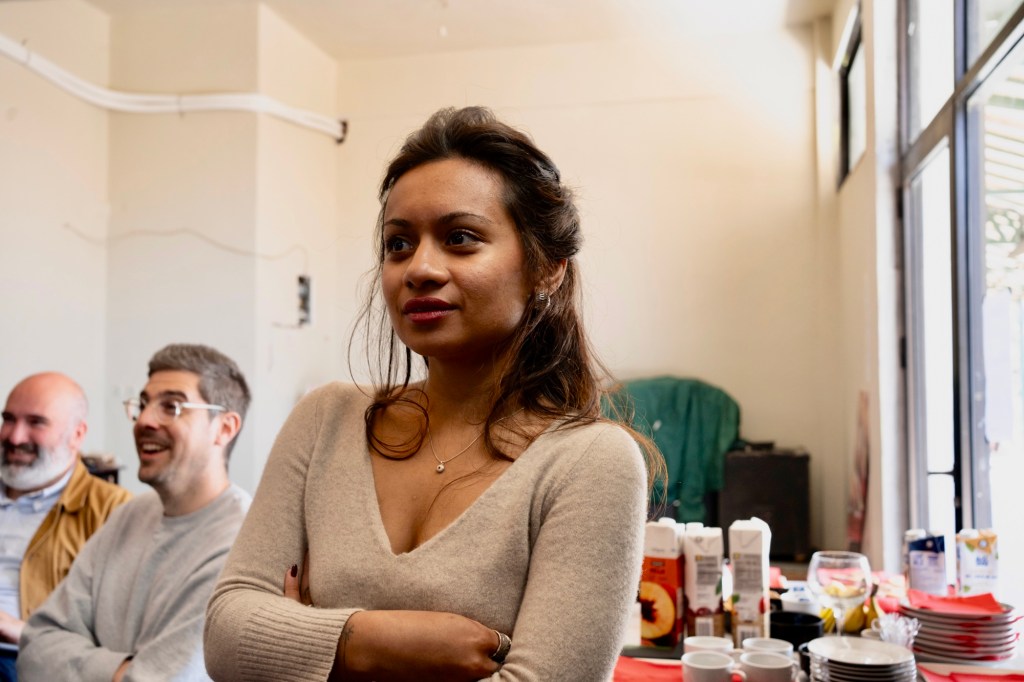
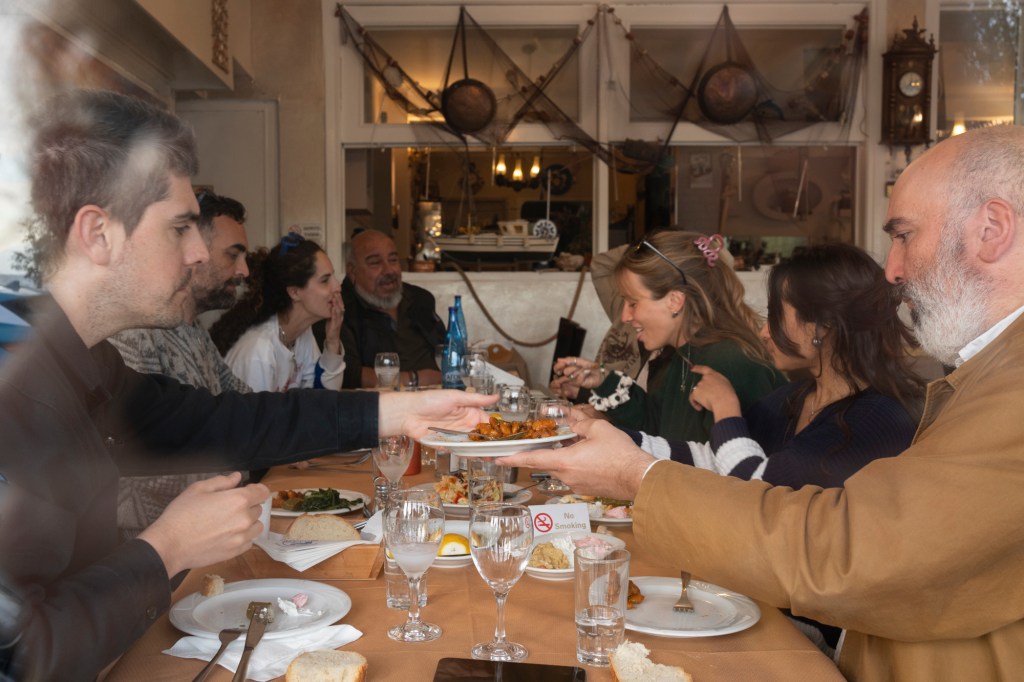
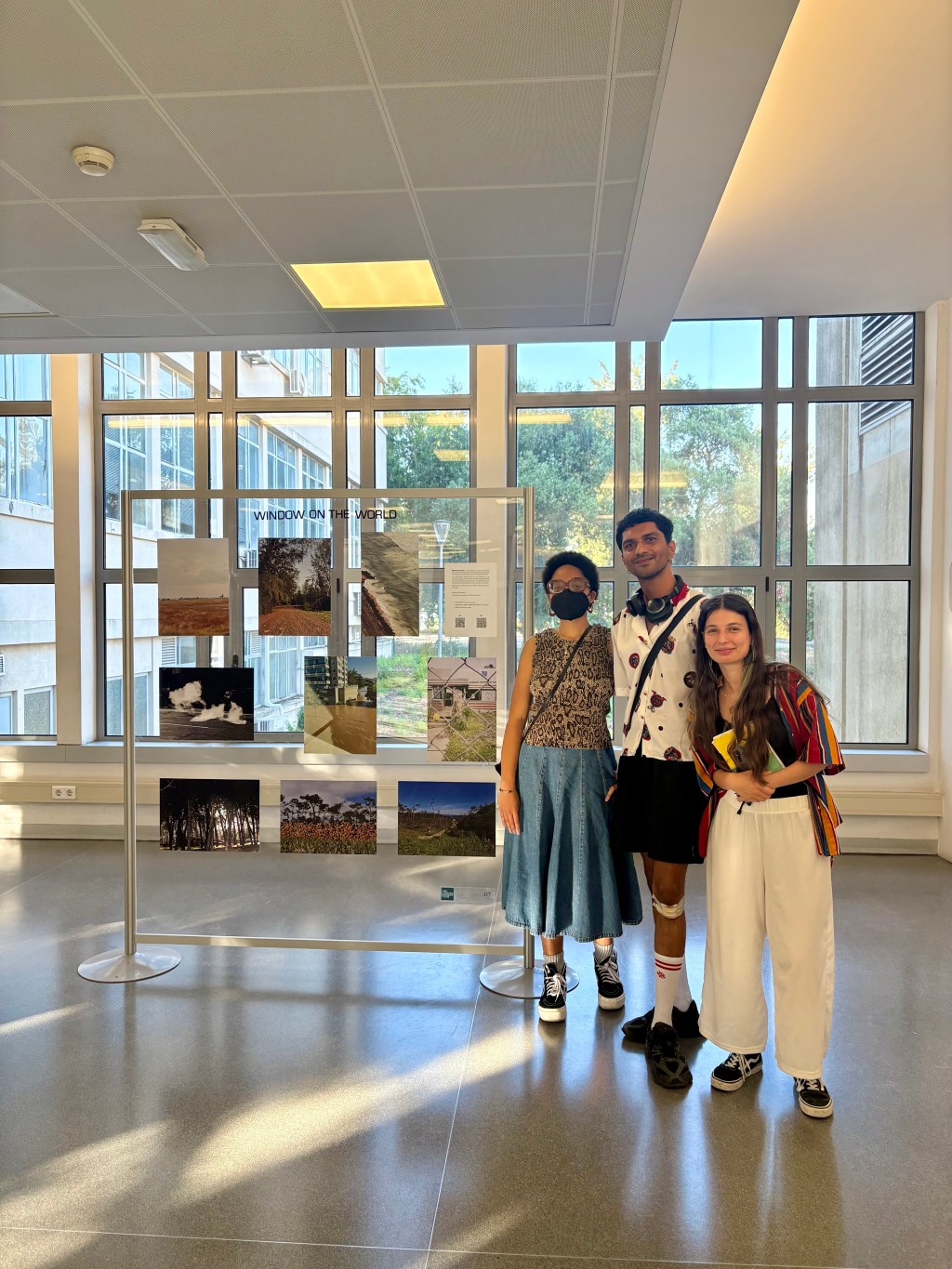
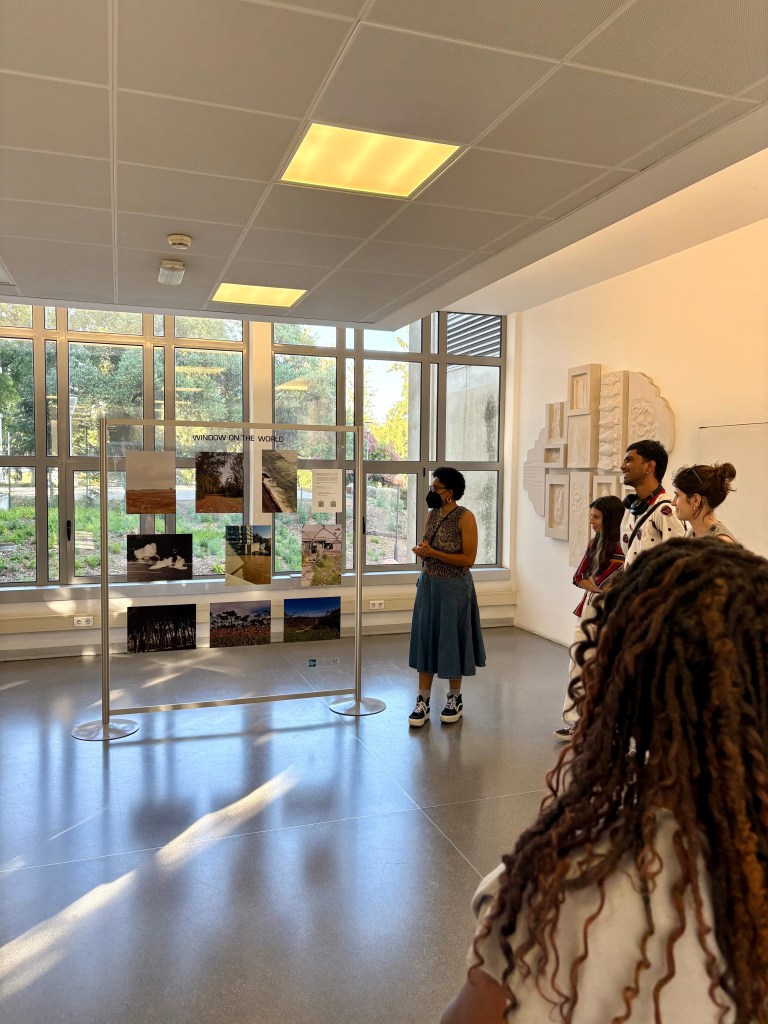
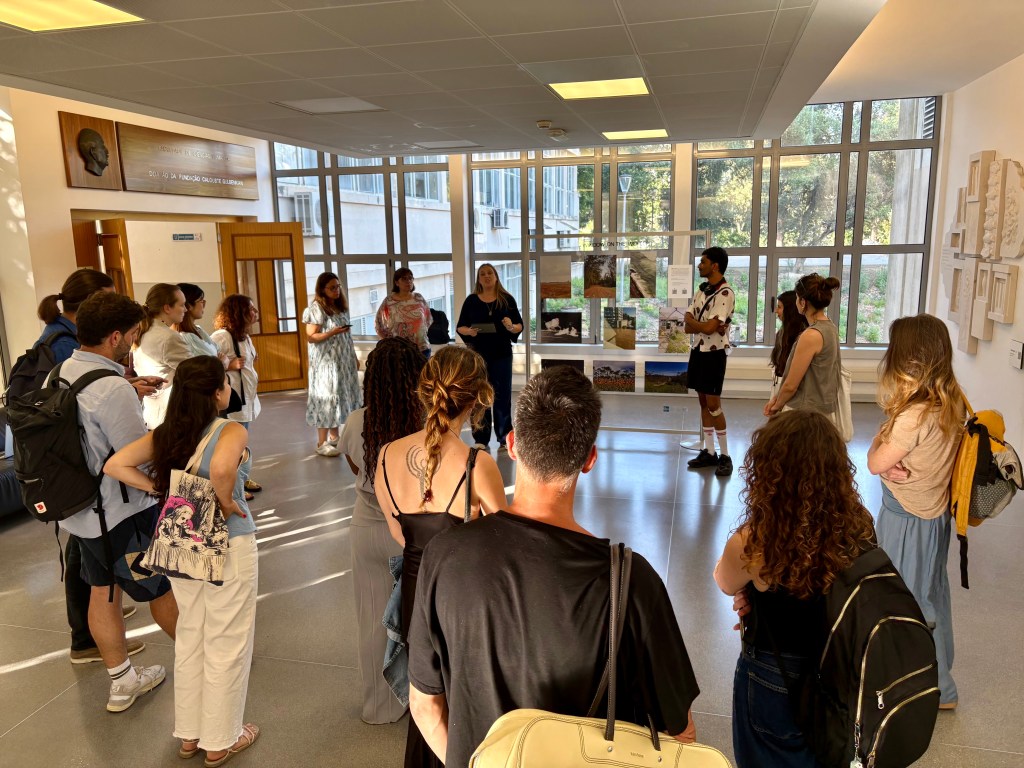
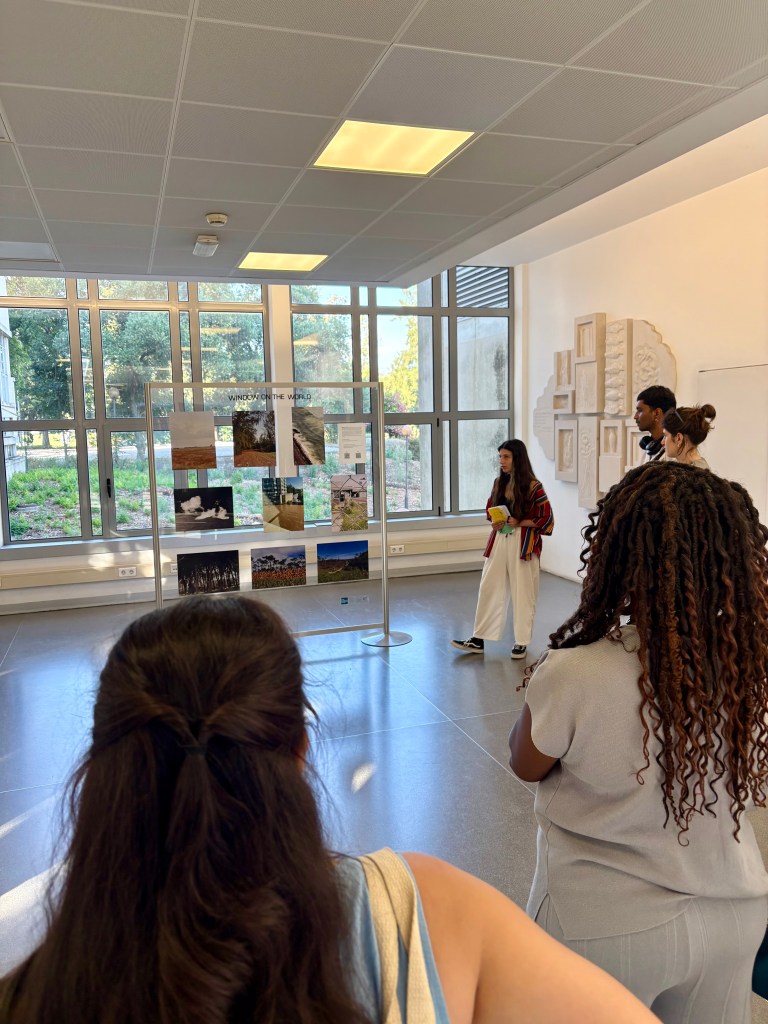
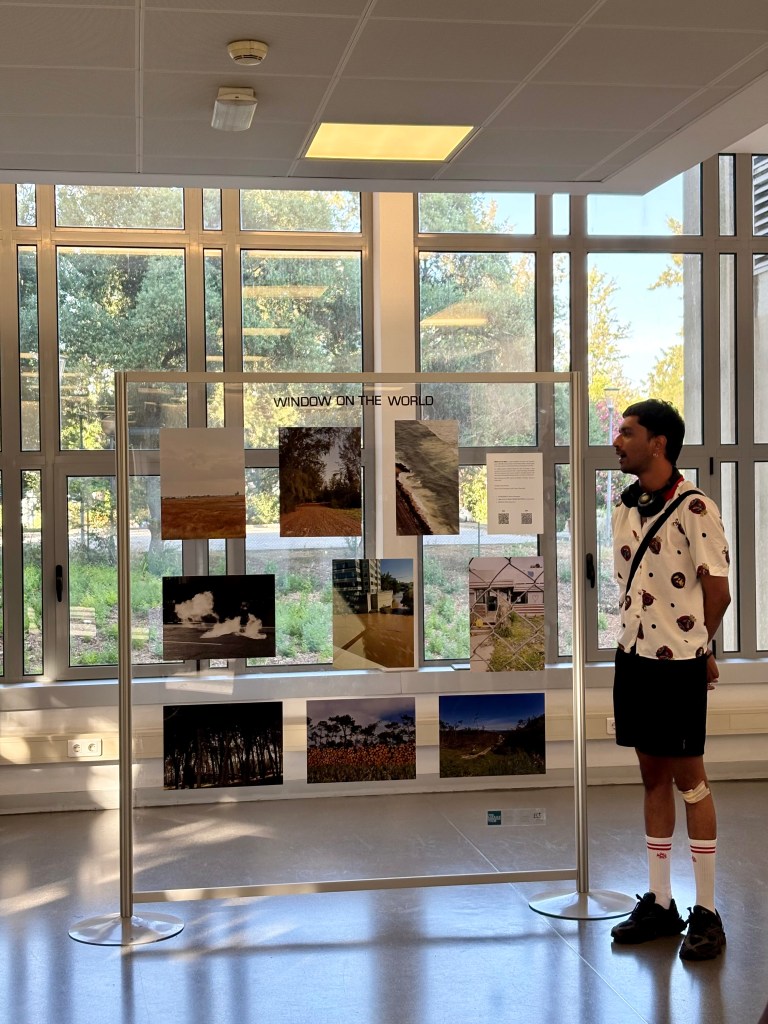
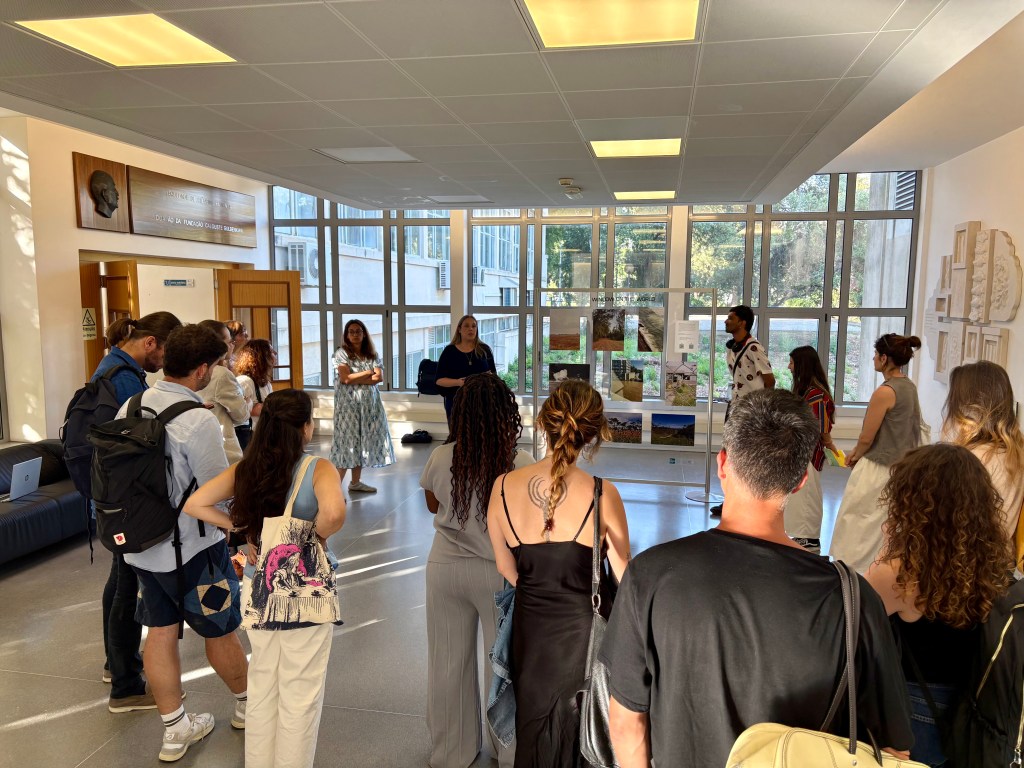
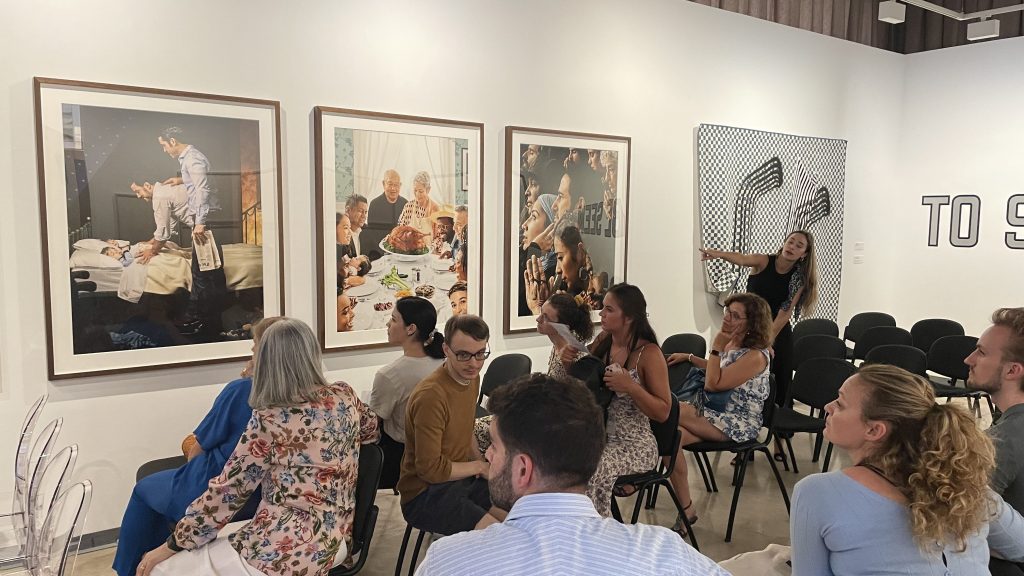
    On 15 June, we inaugurated the exhibition Window on the World that presents photographic reflections students, Direndra Selvanayagam, Imani D. Cooper, and Roxana David, celebrating the World Environment Day (June 5). This year’s topic is climate action.

    The exhibition is organized in the scope of the Ecocultures seminar (MA & PhD in Culture Studies, Faculty of Human Sciences, Universidade Católica Portuguesa), with the support of the Lisbon Consortium and the Research Centre for Communication and Culture.

    The World Environment Day wishes to bring awareness to pressing environmental matters, respond to and engage with worldwide efforts of environmental action creatively, and foster a meaningful reflection on the interrelation and interdependence between humans, non-humans, and planet Earth.

    Coordination of the project: Diana Gonçalves

  • Disobedience 29 June – 3 July 2026

    Disobedience 29 June – 3 July 2026

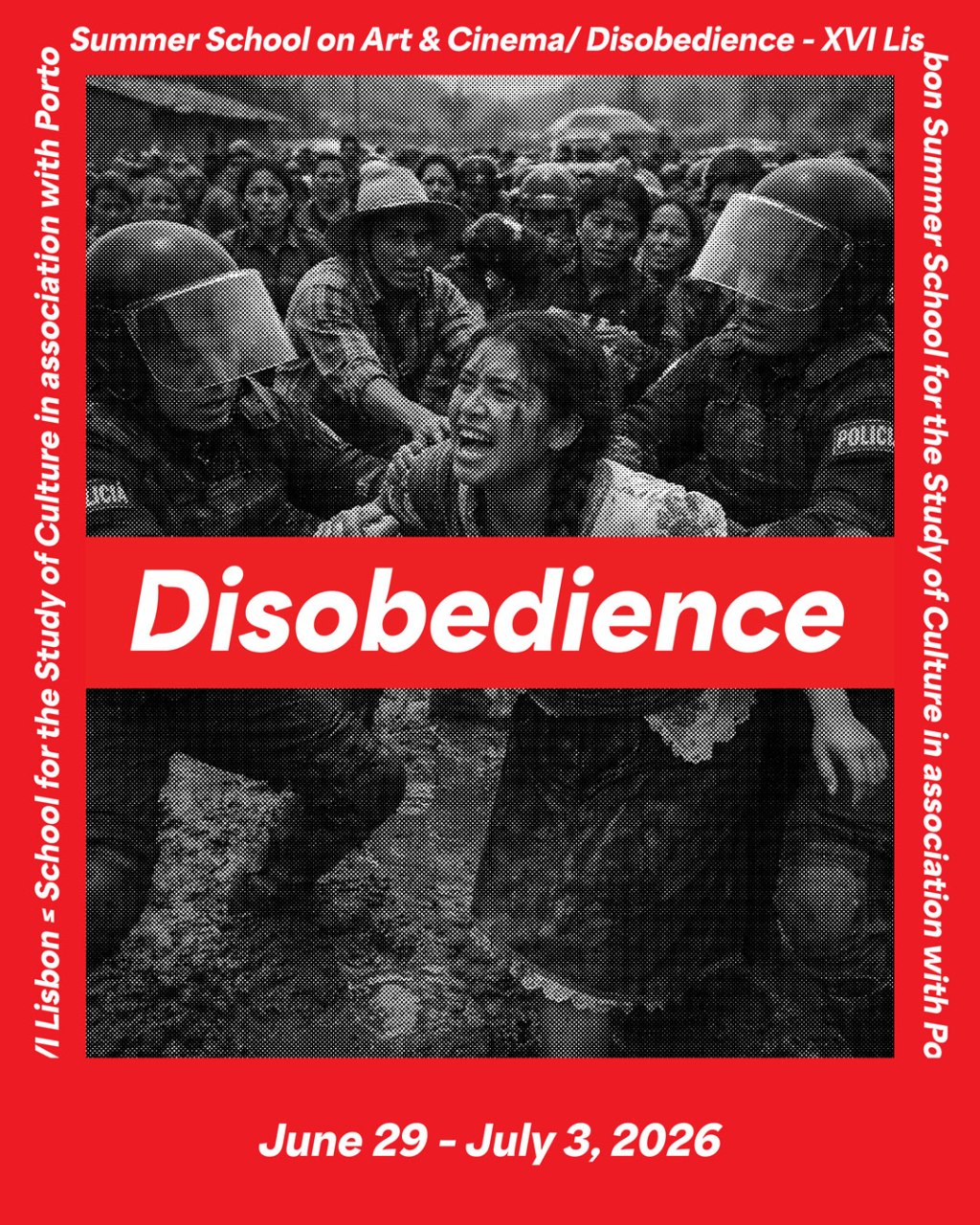
    Disobedience – XVI Lisbon Summer School for the Study of Culture in association with Porto Summer School on Art & Cinema will take place on 29 June – 3 July 2026 at Universidade Católica Portuguesa, Culturgest, CCB, and Cinemateca.

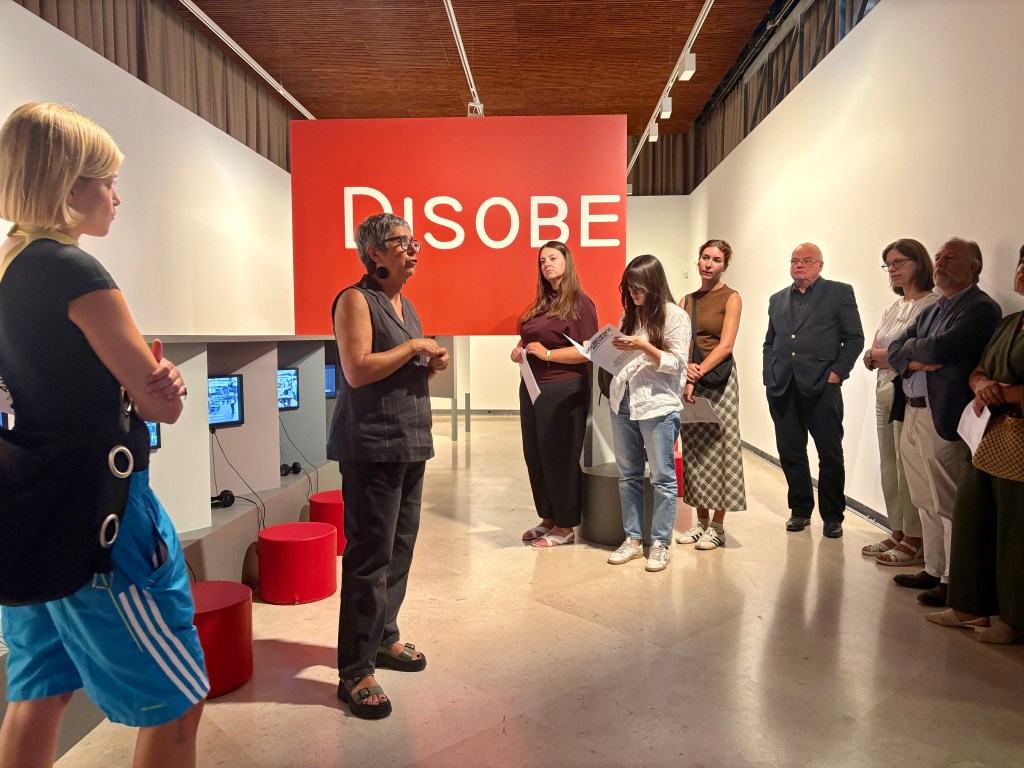
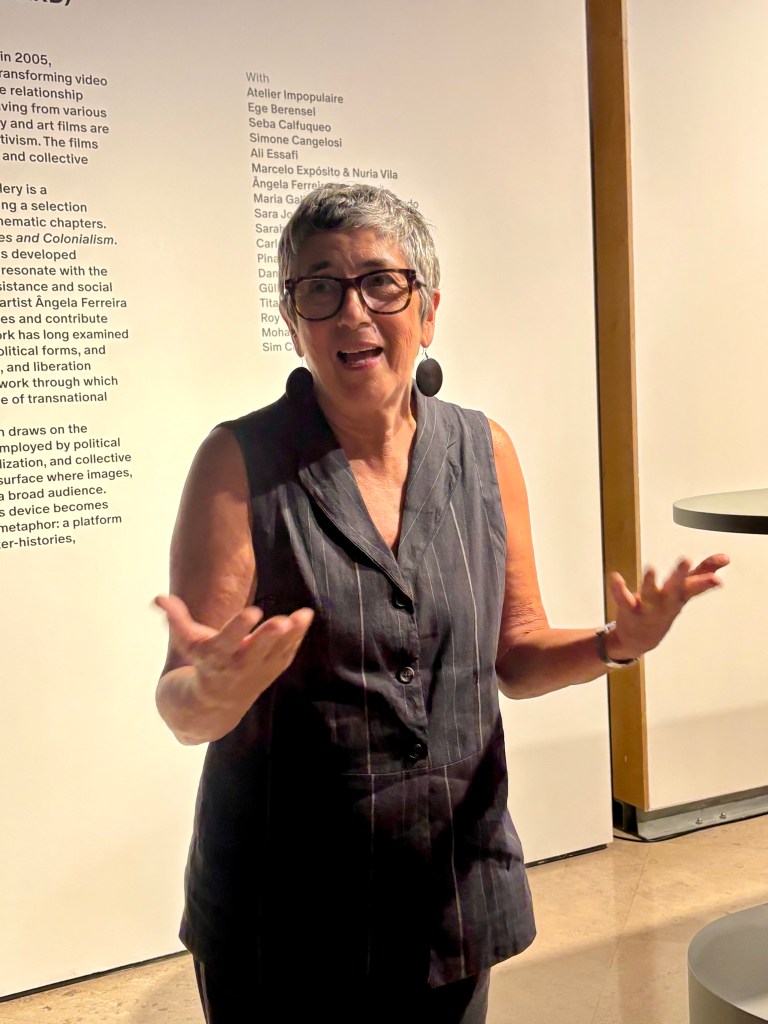
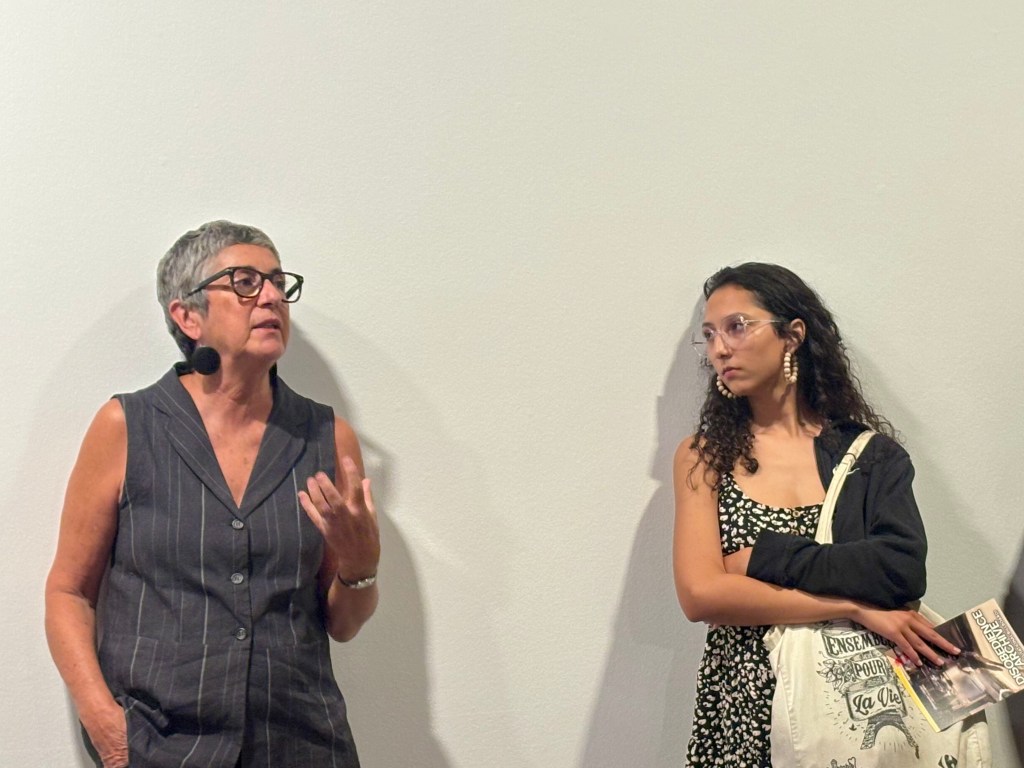
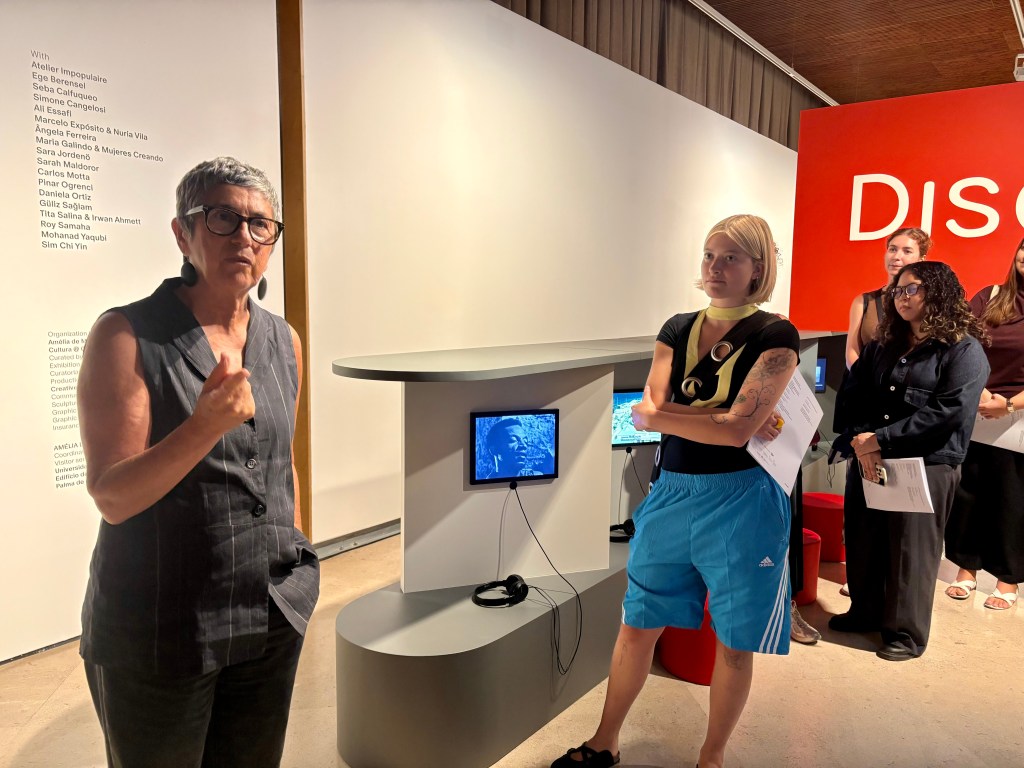
    This Summer School is organized in connection with the Disobedience Archive, a curatorial project by Marco Scotini, which will present an iteration of the exhibition at the Amélia de Mello Foundation Gallery in Lisbon, with the collaboration of Ângela Ferreira.

    Find the full program at https://disobediencesummerschool.wordpress.com.

  • Congratulations, Renea!

    Congratulations, Renea!

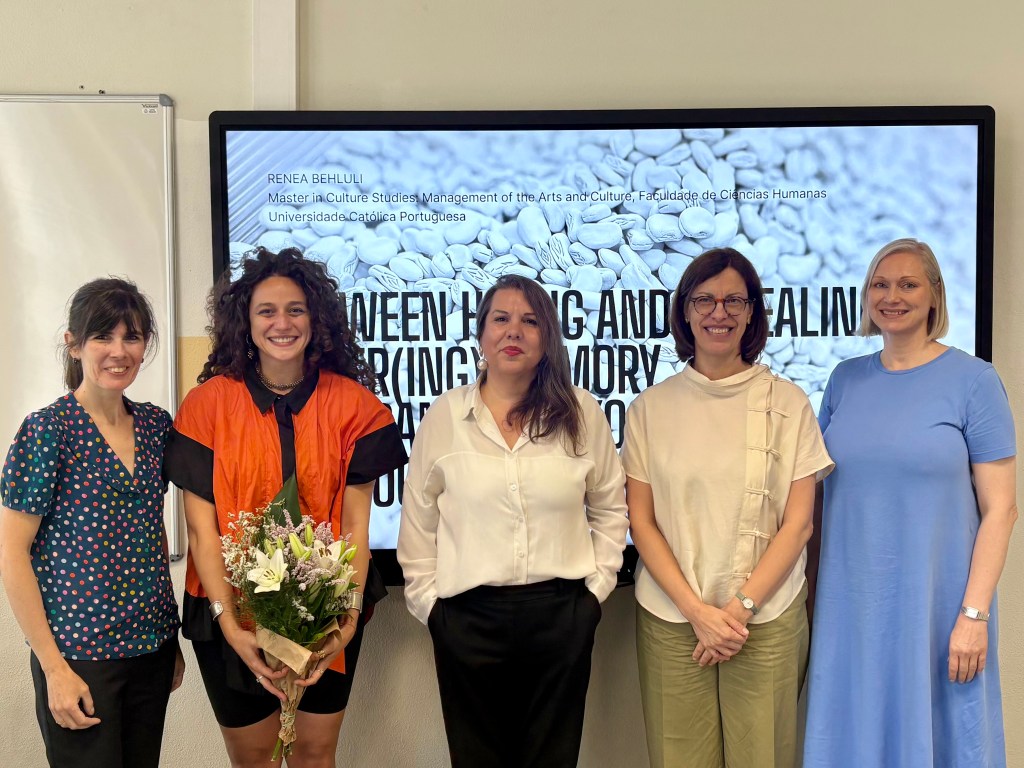
    Renea Behluli successfully defended the MA dissertation “Between Hiding and Revealing: Queer(ing) Memory in Albania and Kosovo through Contemporary Art” on 16 June 2026.

  • Open Call: Recipes from the African Diaspora

    Open Call: Recipes from the African Diaspora

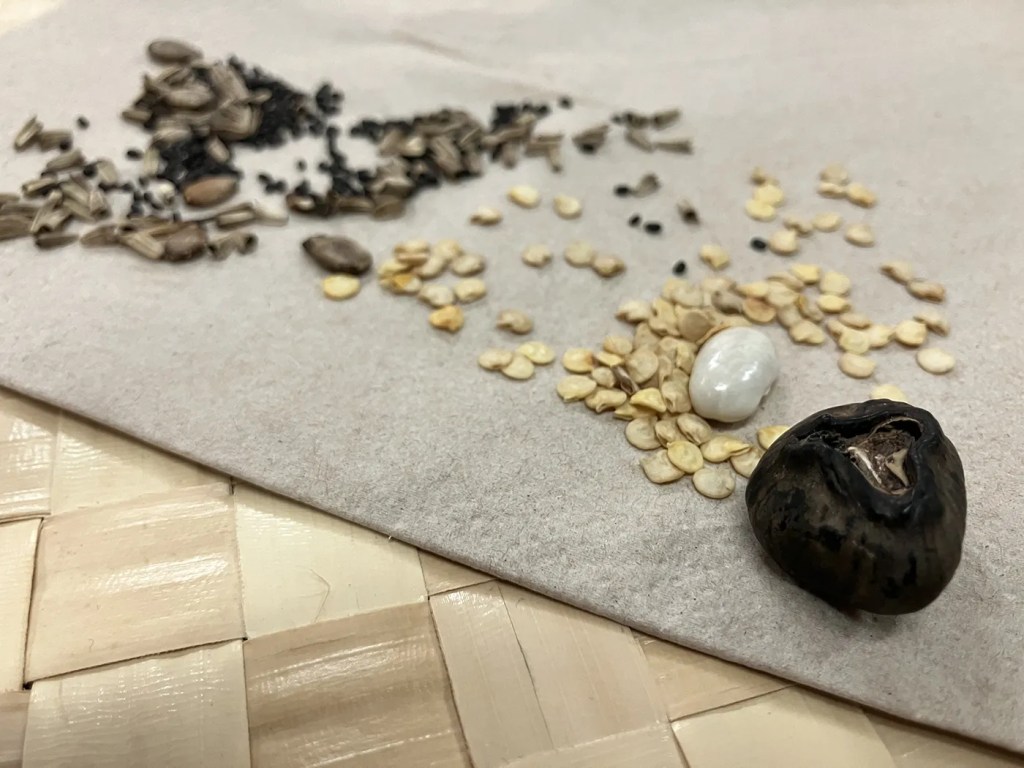
    The Seed Archive, conceived by Mónica de Miranda as part of the broader Institution(ing)s project, is a living archive dedicated to preserving, celebrating, and sharing the agricultural knowledge, food practices, and cultural memory of African and Afro-descendant communities. Rooted in urban gardens, ancestral knowledge systems, and diasporic resilience, the Seed Archive connects seeds not only to cultivation but also to histories of migration, identity, and collective care.

    As part of this initiative, we are creating an online cookbook that gathers recipes from across the African diaspora, tracing the journeys of seeds through generations, geographies, and kitchens.

    We invite individuals, families, cooks, storytellers, and communities to contribute recipes that use at least one seed, fruit, vegetable, or plant from the Seed Archive.

    Editors: Alyse Kaweng Fan; Anika Borko; Roxana-Andreea David (PhD and MA students of Culture Studies / The Lisbon Consortium)

    Editorial coordination: Luísa Santos

    Eligible Seed Archive ingredients include:
    banana, broad bean, tomato, lemon, chayote, common bean, corn, green bean, loquat, mint, okra, orange, pine tree, piri-piri, chili pepper, pumpkin, sugar cane, sweet potato

    Submission Guidelines:
    Each recipe submission must include:

    • Recipe title
    • List of ingredients
    • Step-by-step cooking method, including preparation techniques and any traditional methods used
    • The name of the person who shared the recipe with you, or where you found it
    • The seed from the Seed Archive to which the recipe relates
    • The original location/geography of the recipe (for example: Cabo Verde, Angola, Mozambique, Brazil, São Tomé and Príncipe, Guinea-Bissau, or other diasporic geographies)
    • Optional personal story, memory, or cultural significance connected to the recipe (up to 150 words)
    • Optional traditional serving style, including serving vessels, cultural contexts, or any dining customs associated with the recipe
    • Optional photos of the dish or the ingredients in home garden, or family photos relating to the dish (up to 3 JPGs, 150 dpi each)
    • Name of the author(s) of the submission
    • A little bit about you or your collective (maximum 200 words)
    • The following contact details: your name(s), where you are based, and an email address

    Criteria:

    • Recipes must use at least one ingredient from the Seed Archive.
    • Recipes should reflect culinary traditions, adaptations, or memories from African and Afro-descendant communities.
    • Both traditional and contemporary interpretations are welcome.

    Why Participate?
    This cookbook aims to preserve and amplify the food knowledge embedded in diasporic communities, highlighting how seeds carry histories of survival, adaptation, and cultural continuity. Your contribution will become part of a collective archive of taste, memory, and resistance.

    Through food, we map migrations, honor ancestral knowledge, and cultivate new futures. Join us in growing this living archive.

    Submission process and acknowledging the contributors:
    We allow for up to 3 submissions per person or collective to the open call.

    All contributors will be fully credited next to the submitted recipe and in the list of contributors.

    Please indicate the following information for credits:

    • Who is the author(s) of the submission
    • A little bit about you or your collective (maximum 200 words)
    • The following contact details: your name(s), where you are based, and an email address

    Please send your submissions to: info@institutionings.eu and cookbookseedarchive@gmail.com

    The submissions don’t include any fee.

    Key dates and selection process:
    Launch of the Open Call: 1 June 2026

    Deadline for submission: until October 2026

    We will include all recipes submitted as long as they follow the criteria (listed under “criteria”) and include all required information (listed under “submission guidelines”).

    Mónica de Miranda is a visual artist, filmmaker, and researcher known for her interdisciplinary approach. Her work explores the intersections of politics, gender, memory, space, and history, employing drawing, installation, photography, film, and sound. Blurring the boundaries between documentary and fiction, she investigates strategies of resistance, geographies of affection, storytelling, and ecologies of care. Mónica represented the Portugal Pavilion at the 2024 60th Venice Biennale, with the project Greenhouse.

    Her art has been showcased at renowned international events, including the 16th Sharjah Biennial, the Lubumbashi Biennale, Berlin Biennale, Dakar Biennial, Casablanca Biennale, Bamako Encounters, Venice Architecture Biennale, BIENALSUR, and Houston FotoFest. Notable exhibitions have taken place at esteemed venues such as CAIXA Cultural, Bildmuseet,  Kadist Art Foundation, Gulbenkian, MUCEM; AfricaMusem, MAAT, Barbican, Autograph, MNAC, and the Camões Cultural Institute. Monica’s work features in public and private collections worldwide.

    website

    Photo credit @ Mónica Miranda
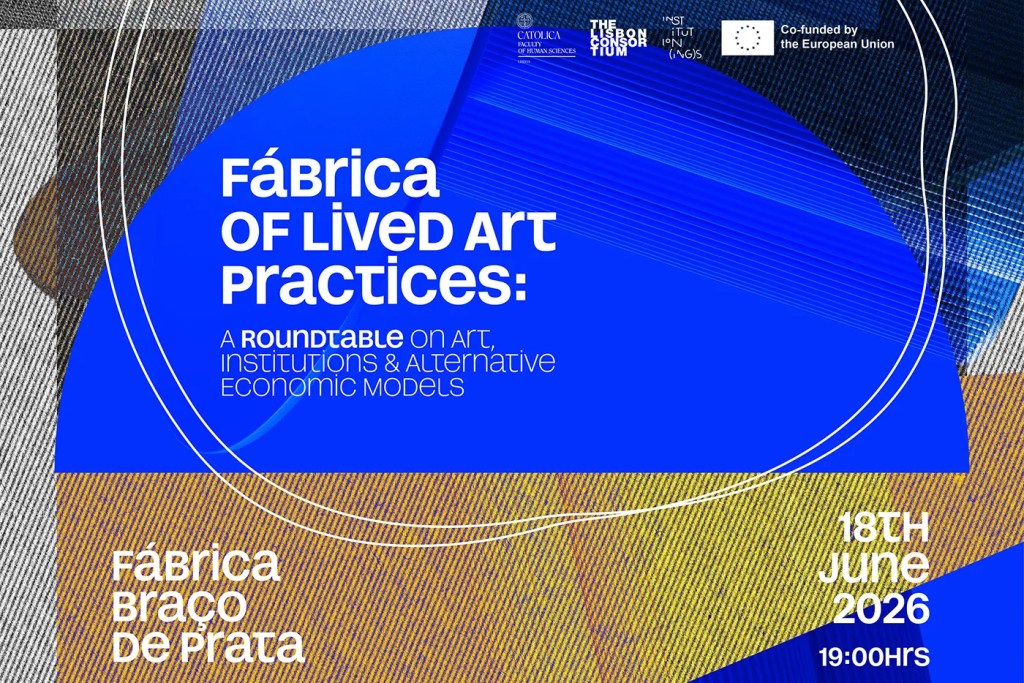
  • Fábrica of Lived Art Practices: A roundtable on art, institutions and alternative economic models, 18 June 2026 19:00 at Fábrica Braço de Prata

    Fábrica of Lived Art Practices: A roundtable on art, institutions and alternative economic models, 18 June 2026 19:00 at Fábrica Braço de Prata

    The roundtable discussion Fábrica of Lived Art Practices: A roundtable on art, institutions and alternative economic models, will take place on 18 June 2026 19:00 at Fábrica Braço de Prata. The event is organized by Hajer Khader, Sarah Zammit Munro, and Christian Debono (MA and PhD students of LXC), in the framework of the Artivism Seminar and the economic lab of Institution(ing)s.

    Traditional art spaces provide stability and visibility, but also constraints. With reduced budgets, artistic freedom, and institutional independence risk of compromise to secure financial support. How do spaces and collectives practice hybrid funding? What do alternative models look like? Why are they essential for the future of arts and culture?

    Join us on 18 June 2026 at 19:00 at Fábrica Braço de Prata for a roundtable discussion on alternative funding models for art institutions and their role in shaping the future of the cultural sector. Chaired by Hajer Khader, the discussion will bring together Luha Vieira, Chin-chin Yap, Carlos Valerio Kangoma (Lucy), and Ed Dingli, who will share their experiences and perspectives on the challenges and opportunities involved in rethinking the structures of art institutions. A Q&A session will follow, along with informal networking and refreshments.

    Luha Vieira is a central figure in the management and curation of Fábrica Braço de Prata, a vibrant cultural space in Lisbon housed in a former industrial building. Under her influence, the venue stands out as a hub for culture, shows, exhibitions, literature, and events, functioning as a “museum of living arts.”

    Chin-chin Yap is a Singaporean writer and contemporary art specialist working at the intersection of art, law and human rights. She previously ran the Chinese contemporary art division of the London and NYC-based auction house Phillips de Pury & Company. Since 2007, she has been a contributing editor for the Hong Kong-based magazine Art Asia Pacific, where she writes about contemporary art in relation to geopolitics, law and emerging markets.

    Carlos Valerio Kangoma, aka “Lucy”, is an Angolan musician from Huambo who immigrated to Portugal at the age of 3. His lived experience of urban violence developed a social awareness that he directed towards his art and the need to challenge the limitations ingrained in the mentality of people living in disadvantaged neighbourhoods. Since 2021, his focus has been on music, activism, and the fight against racism while participating in the coordination of Vida Justa collective.
    Ed Dingli is an illustrator and designer whose work is driven by socio-political, cultural, and environmental subjects. He feels driven to respond to worldly injustices with vibrant visuals that aim to connect with, support or inspire viewers. His style is continually developing as he is actively experimenting with form and technique, using different methods of printmaking and exploring both analogue and digital processes.

    Fábrica Braço de Prata
    Rua da Fábrica do Material de Guerra, 1 – Marvila
    1950-128 Lisboa, Portugal

  • Book Club | The Earthly In-Common: An Ecopoetic Tea Circle,  22 June 2026 11:00 – 13:00 at Hangar

    Book Club | The Earthly In-Common: An Ecopoetic Tea Circle,  22 June 2026 11:00 – 13:00 at Hangar

    The next session of The Lisbon Consortium Book Club will take place on 22 June 2026 11:00 – 13:00 at Hangar. It takes place in the framework of the online seed archive and the community garden, by Mónica de Miranda.

    Inspired by Mónica de Miranda’s Community Garden and Jemma Foster’s Ecomancy, we are hosting The Earthly In-Common: An Ecopoetic Tea Circle. We’ll be gathering to share herbal infusions and recite poetry that explores our deep-rooted relation to the more-than-human world.

    We will read from the Attached to the Living World anthology, alongside the ecopoetry of Anuj Lugun and Nirmala Putul (all texts will be provided).

    Our discussion will be guided by excerpts from Achille Mbembe’s The Earthly Community and Édouard Glissant’s Poetics of Relation.

    We welcome you to bring your own favourite ecopoetry to share with the group.

    By connecting the material act of drinking tea with the immaterial power of language, we aim to explore what it means to be “in-common” with the Earth today.

    • Capacity: limited to 12 participants

    *eco note: to avoid disposable waste, we kindly ask that you bring your own mug or tea cup.

    • Deadline for registration:  16 June for last registration, 1st come 1 served on the event day
    • Email address for registration: lisbonconsortiumbookclub@gmail.com

    You can find and download the reading materials here.

    For more information, please visit The Lisbon Consortium website.

    This activity is organised by Alyse Kaweng Fan, Anika Borko, Roxana-Andreea David, and Teresa Weinholtz as part of the Seminar in Artivism and The Lisbon Consortium Book Club. It is developed within the framework of the online seed archive and community garden project by Mónica de Miranda.

  • Congratulations, Maria!

    Congratulations, Maria!

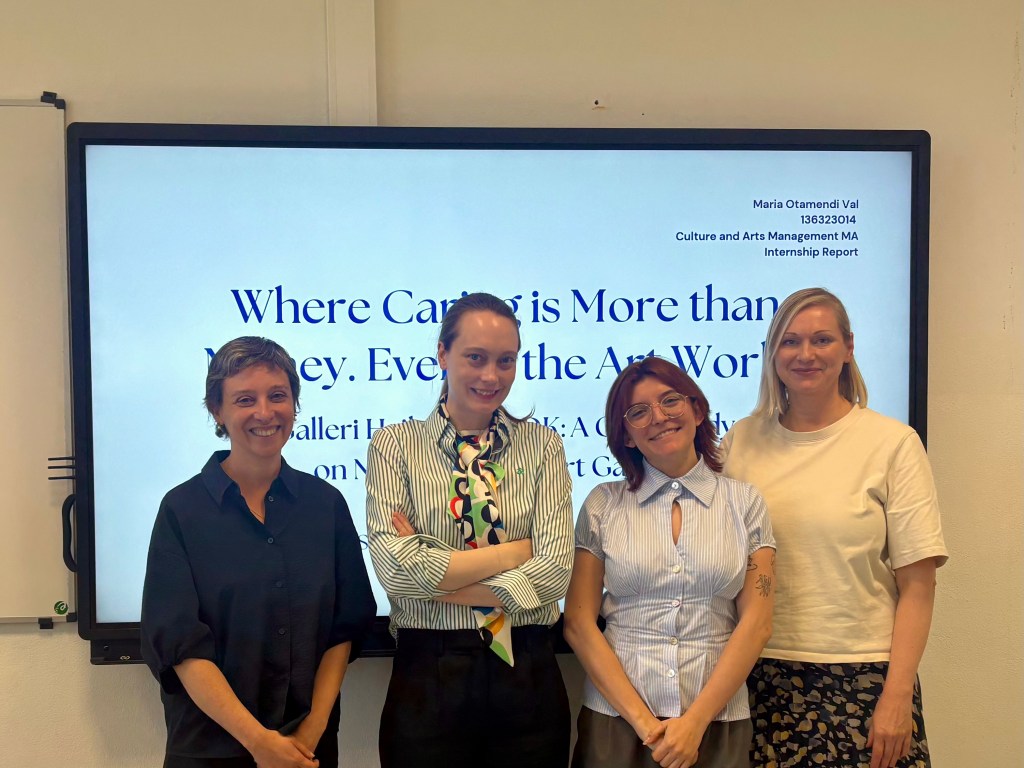
    Maria Otamendi Val successfully defended the MA Internship report “Where Caring is More than Money. Even in the Art World. Galleri Heike Arndt DK: A Case Study on Non-for-profit Art Galleries” on 27 May, 2026.

  • Congratulations, Matthew!

    Congratulations, Matthew!

    Matthew Mason successfully defended the PhD thesis “Between Situationist Critique and Postmodern Play: Contemporary (re)Readings of Jean-Luc Godard’s ‘Long ‘67’” on 27 May, 2026.

  • Call for Applications | PhD Scholarships in Culture Studies

    Call for Applications | PhD Scholarships in Culture Studies

    Applications are now open for two CECC PhD scholarships in Culture Studies commencing in the 2026/27 academic year, for a maximum period of three years.

    Deadline for submissions is 19 June 2026, at 6 pm (Lisbon local time).

    For more information, please consult the public notice: https://cecc.fch.lisboa.ucp.pt/sites/default/files/2026-05/CECC_Minuta_Aviso_Abertura_DEC.2026%20En.pdf

  • Congratulations, Jente!

    Congratulations, Jente!

    Jente Diepstraten successfully defended the MA dissertation “Coloniality in Portuguese High School History Education: Exploring Epistemic Change” on 6 May, 2026.

  • Art and Diplomacy by Amb. Randi Charno Levine brings artists, curators and institutional leaders to UCP

    Art and Diplomacy by Amb. Randi Charno Levine brings artists, curators and institutional leaders to UCP

    On 25-26 May 2026, The Lisbon Consortium hosts the Art and Diplomacy seminar by Randi Charno Levine, the former US Ambassador to Portugal and Honorary Professor in Art and Diplomacy at UCP. The series of lectures over the past two years will now continue with the welcoming of renowned artists, curators and leaders to UCP for panel discussions.

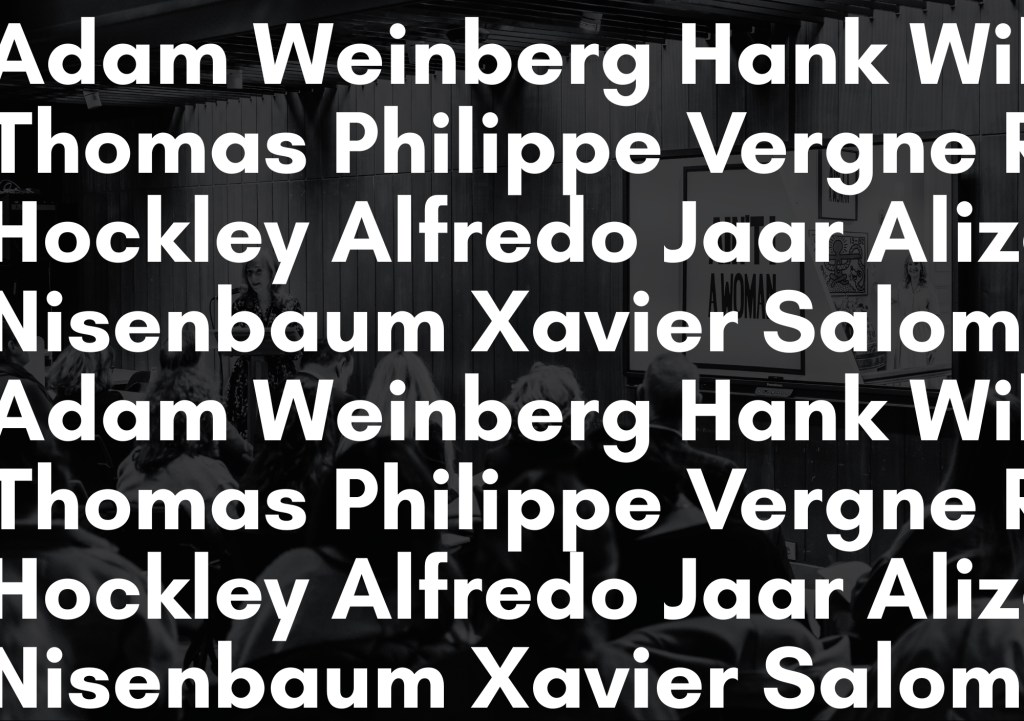
    The first panel, “Institutional Decision-Making: Ethics, Risk, and Public Impact” features Adam Weinberg, Director Emeritus of Whitney Museum of American Art; Philippe Vergne, Director of Serralves Museum of Contemporary Art, and artist Hank Willis Thomas. The conversation focuses on how museums and cultural institutions make high-stakes decisions involving ethics, funding, governance, public trust, and social responsibility.

    The second panel “The Art Museum Today: Collections, Communal Forums and Contested Spaces” with Adam Weinberg, Director Emeritus of Whitney Museum of American Art and Xavier Salomon, Director of Calouste Gulbenkian Museum, explores the contemporary responsibilities of museums and how they might navigate these competing expectations while balancing different roles: as sanctuaries for reflection and psychic sustenance, hubs for collective cultural exchange, and platforms for socio-political protest.  

    The third panel “Curatorial Power: Selection, Visibility, and Narrative” features curator Rujeko Hockley and artists Alfredo Jaar and Aliza Nisenbaum. It examines curatorial decisions by discussing what is collected, exhibited, framed or omitted and how these decisions actively construct cultural meaning and historical narratives.  

    The seminar is open to the academic community and the public.  

    More information: https://lisbonconsortium.com/extracurricular-seminars/ 

    25 May 18:30-20:00, UCP (CLSBE, 511)

    Institutional Decision-Making: Ethics, Risk, and Public Impact

    Adam Weinberg (Director Emeritus, Whitney Museum of American Art)

    Hank Willis Thomas (Artist)

    Philippe Vergne (Director, Serralves Museum of Contemporary Art)

    Chair: Amb. Randi Charno Levine


    26 May 10:00 Calouste Gulbenkian Foundation  (Room 1) 

    The Art Museum Today: Collections, Communal Forums and Contested Spaces  

    Adam Weinberg (Director Emeritus, Whitney Museum of American Art) 

    Xavier F. Salomon (Director, Calouste Gulbenkian Museum) 

    Chair: Amb. Randi Charno Levine 

    26 May 15:30-17:00, UCP (CLSBE, 511)

    Curatorial Power: Selection, Visibility, and Narrative

    Rujeko Hockley (Curator)

    Alfredo Jaar (Artist)

    Aliza Nisenbaum (Artist)

    Chair: Amb. Randi Charno Levine

  • Open call – PhD Studentships in Culture Studies

    Open call – PhD Studentships in Culture Studies

    The applications are now open for applications for two PhD Studentships in the area of Culture Studies – Culture, Conflict, and Reparation.

    The studentships will be funded by the Fundação para a Ciência e Tecnologia (FCT) and the research activities will be carried out in collaboration with the Transform4Europe alliance.

    The call is open between 07/05/2026 and 27/05/2026 until 23:59 (Lisbon time).

    The applications and the supporting documents as specified in the Opening Call must be submitted by e-mail to cecc.fch@ucp.pt.

    Find the Calls for Application below:

  • New podcast: What We Can(‘t) Hold

    New podcast: What We Can(‘t) Hold

    A new series of podcasts by the MA students in Culture Studies, related with the exhibition What We Can(‘t) Hold , has been released.

    The first episode features Fernão Cruz, talking about fragility, humour, and the story behind his work Cair em Palco that makes part of the exhibition. 

    The second episode is a conversation with Manuel Botelho and it reflects on memory, war, and the story behind his work confidential/declassified: combat ration that makes part of the exhibition.

    More episodes are to be released.

  • What We Can(‘t) Hold opens at Galeria FAM on 29 April 2026

    What We Can(‘t) Hold opens at Galeria FAM on 29 April 2026

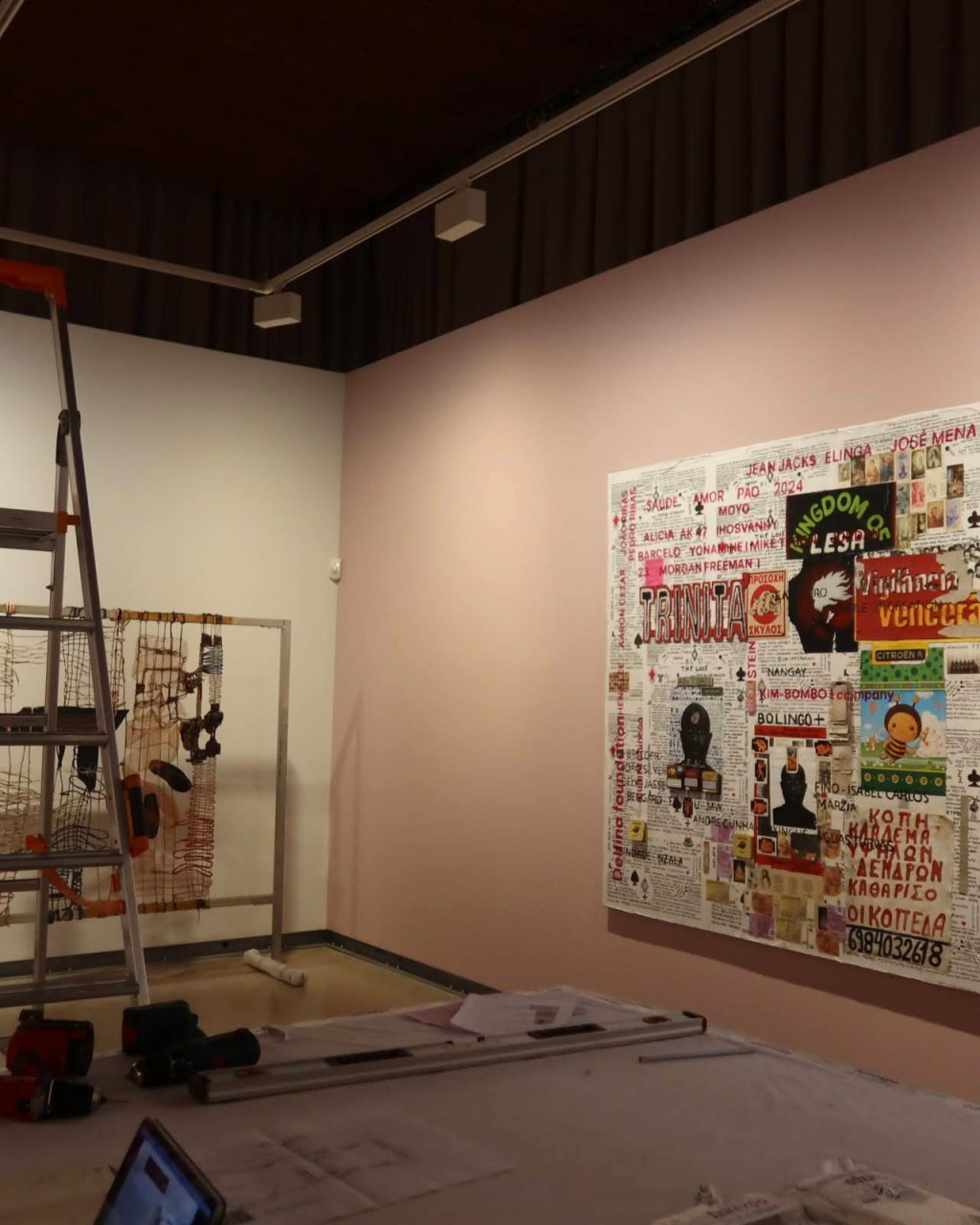
    ‘What We Can(‘t) Hold’, curated by students of Culture Studies (UCP) under the Curatorial and Scientific Coordination by Prof. Luísa Santos opens on 29 April 2026 at 18:30 in Galería Fundação Amélia de Mello.

    ‘What We Can(‘t) Hold’ is an invitation to pause, to look closely and to hold things more lightly, while reflecting on the multiple dimensions of fragility.

    When everything we hold firm seems to be collapsing under the weight of uncertainty and rapid transformation, ‘What We Can(‘t) Hold’ considers fragility not as something that breaks but as a force that shapes how we live, remember, and relate to one another. Bringing together nine artists and a selection of works from the CAM – Centro de Arte Moderna Gulbenkian Collection, this exhibition offers a reflection on multiple dimensions of fragility.

    The works displayed are situated along a spectrum of intertwined notions of fragility: the personal, the structural and the frictional. Each dimension offers a different way of understanding how vulnerability cracks, bends and sometimes falls apart as soon as we touch it.

    The structural dimension looks outward at the vast web that seems to hold our society together. It questions what happens when the systems we depend on begin to fracture, and injustices resurface as history repeats itself. Manuel Botelho (1950, Lisbon), through his ‘101.rç-cmb (from the series Confidential / Declassified: combat food)‘ (2007-2008), collects artefacts of moments that he didn’t witness and puts them on full display, while Miguel Palma (1964, Lisbon), in ‘Upa! Union of the People of Angola‘ (2006), seems to lock them away in plain sight. Here, fragility emerges not as a weakness, but as a signal that transformation is both unavoidable and necessary.

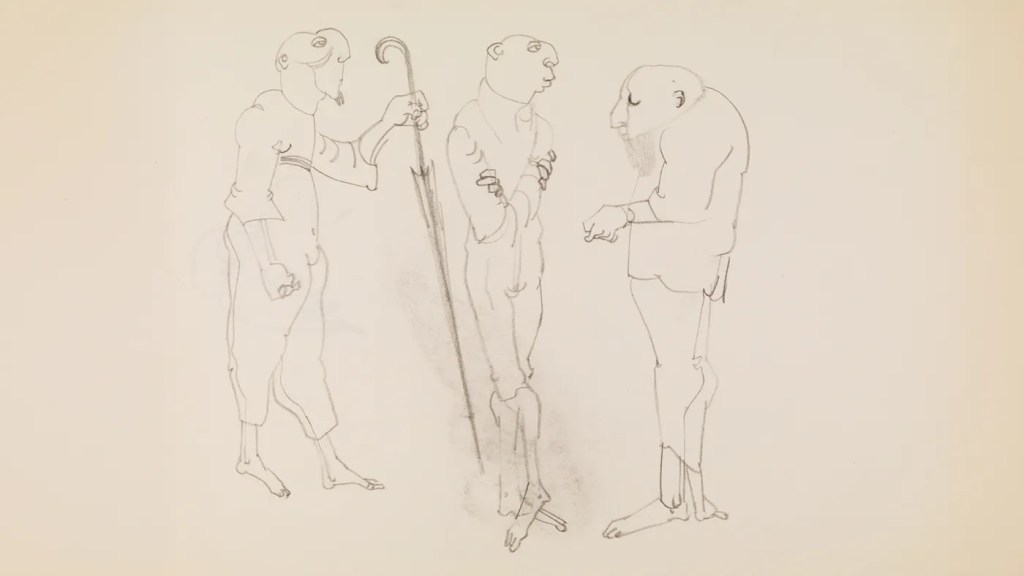
    Maria Antónia Siza. Untitled (c. 1960). Coal on paper. Various measurements © Collection CAM – Centro de Arte Moderna Gulbenkian

    The personal dimension directs us inward into the delicate architecture of ourselves. It reflects identities that are always shifting, the collections of memories we archive within ourselves, and the persistent urge to hold on to what is fleeting. Yonamine (1975, Luanda), with ‘Eu não sou eu‘ (2004), and Maria Altina Martins (1953, Luanda) with ‘Time – Childhood, Adolescence, Maturity‘ (1997/2000), arrange fragments, textures of daily life, discarded materials, and scraps of memory to evoke this unstable construction, while Maria Antónia Siza (1940, Oporto – 1973, Oporto), in her series ‘Untitled‘ (60s) construct potential images leaving gaps to be filled in by the gaze of others. In ‘Falling On Stage‘ (2021), Fernão Cruz’s (1995, Lisbon) protagonist is in free fall, rendered vulnerable before the gaze of an audience.

    The frictional dimension exists in a liminal space where the forces of the past and future, destruction and renewal, and the personal and collective converge. Margaret Benyon (1940, Birmingham – 2016, London) gives these dimensions holographic images that resist being grasped in her ‘Conjugal Series: Hands and Rice and Binding 2‘ (1983). In her ‘No trace of accelerator‘ (2017), Emily Wardill (1977, Rugby) transforms us into spectators of the qualities that never sit still. Finally, Gabriela Albergaria’s ‘To turn around 40‘ (2001) weaves elements of nature with artificiality.

    Together, these perspectives invite us to reconsider fragility as a force of revelation of what we choose to preserve, allow us to die or rebuild. Ultimately, ‘What We Can(‘t) Hold’ is an invitation to pause, to look closely and to hold things more lightly as we navigate continuous change.

    This exhibition, organised in the context of the partnership between The Lisbon Consortium of the Universidade Católica Portuguesa and CAM – Centro de Arte Moderna Gulbenkian, was curated by the MA students in Culture Studies (seminar of Curatorial Practices), for the Amélia de Mello Foundation Gallery, at the Universidade Católica Portuguesa, in Lisbon.

    The exhibition leaflet is available here.

    The exhibition guide written by the 3rd-grade students, Class B, Elementary School Sampaio Garrido is available here.

    This exhibition also includes a Podcast with a series of interviews; all the episodes will be available in this playlist.

    Organisation
    Universidade Católica Portuguesa
    Cultura @ Católica 2026

    Artists Featured

    Emily Wardill; Fernão Cruz; Gabriela Albergaria; Manuel Botelho; Margaret
    Benyon; Maria Altina Martins; Maria Antónia Siza; Miguel Palma; Yonamine
    (All works: Collection CAM – Centro de Arte Moderna Gulbenkian)

    Curatorial and scientific coordination
    Luísa Santos

    Curated by
    Editorial: Anika Borko; Sarah Zammit Munro; Melissa Liebertha; Direndra
    Selvanayagam; Sarah Tober; Anna-Sohpie Löhr
    Communication: Justin Stewart Ross; Natalia del Río; Leonor Marques dos Santos
    Queiroz; Silvia Lomdardini; Léanne Charron; Iana Kardanova
    Installation design: Amal Abu Nafisah; Imani D. Cooper; Margarida Dias; Margarida
    da Fonseca; Giulia Benetti; Circé Poisson; Tatiana Fraisse
    Paralell programme: Lucille Gerebtzoff; Yoosun Choi; Hajer Khader; Vitor Fonseca;
    Margarida Martins Raimundo; Constança Mafra
    (Students of the seminar in Curatorial Practices, The Lisbon Consortium – 2025/26)

    Amélia de Mello Foundation Gallery – Universidade Católica Portuguesa

    Director: Paulo Campos Pinto
    Assistant: Benjamim Lucas Pires
    Production: Creative Industries Programmes by SC – Sara Cavaco
    Graphic Design: Íris Sousa
    Installation: Feirexpo

    CAM – Centro de Arte Moderna Gulbenkian

    Head of Exhibitions: Rita Albergaria
    Museography: Laurindo Marta
    Collection (registrar): Isabel Vicente
    Collection (museography): Rui Nunes; Jennifer Coito

    Amélia de Mello Foundation Gallery – Universidade Católica Portuguesa. João Paulo II University Library Building, Palma de Cima

    Opening hours: Monday – Friday from 2 pm. – 5 pm.

  • Congratulations, Rebecca!

    Congratulations, Rebecca!

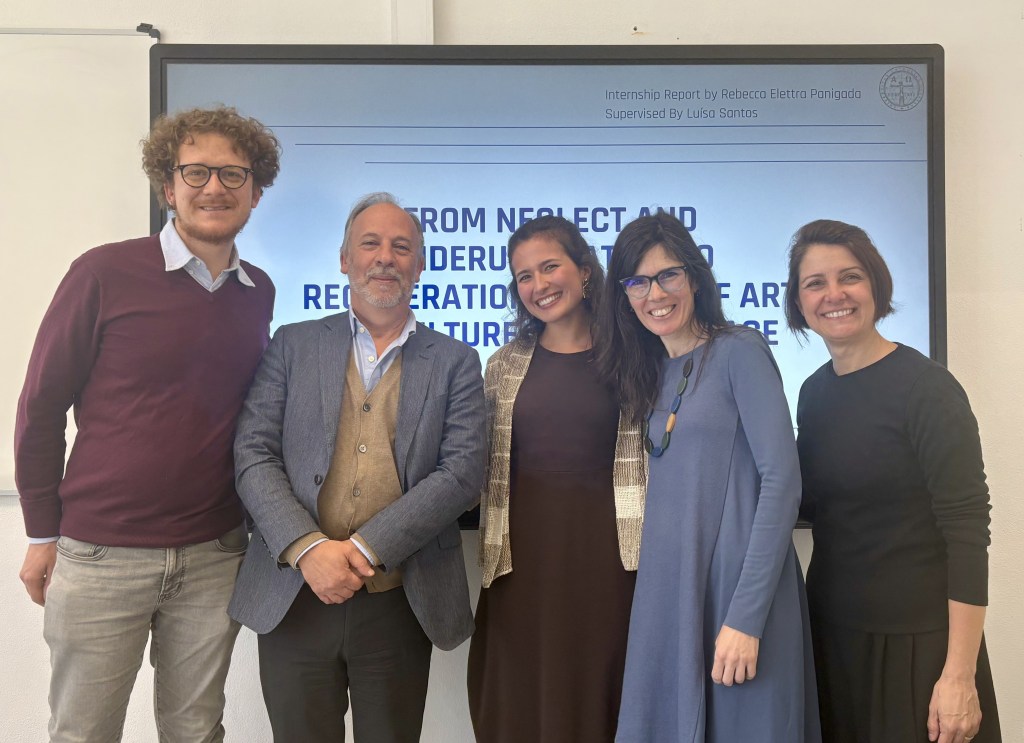
    Rebecca Panigada successfully defended the MA internship report “From Neglect and Underutilization to Regeneration: The Role of Art and Culture in Urban Space” on 16 April, 2026.

  • Congratulations, Marianne!

    Congratulations, Marianne!

    Marianne Myrbostad successfully defended the MA project “Life Stories Emerging from Musical Experience – A Study of Kristiansund Municipality School of Arts Impact on Life Stories of Former Pupils and Their Influence on Community” on 25 March, 2026.

  • Congratulations, Stafaniya!

    Congratulations, Stafaniya!

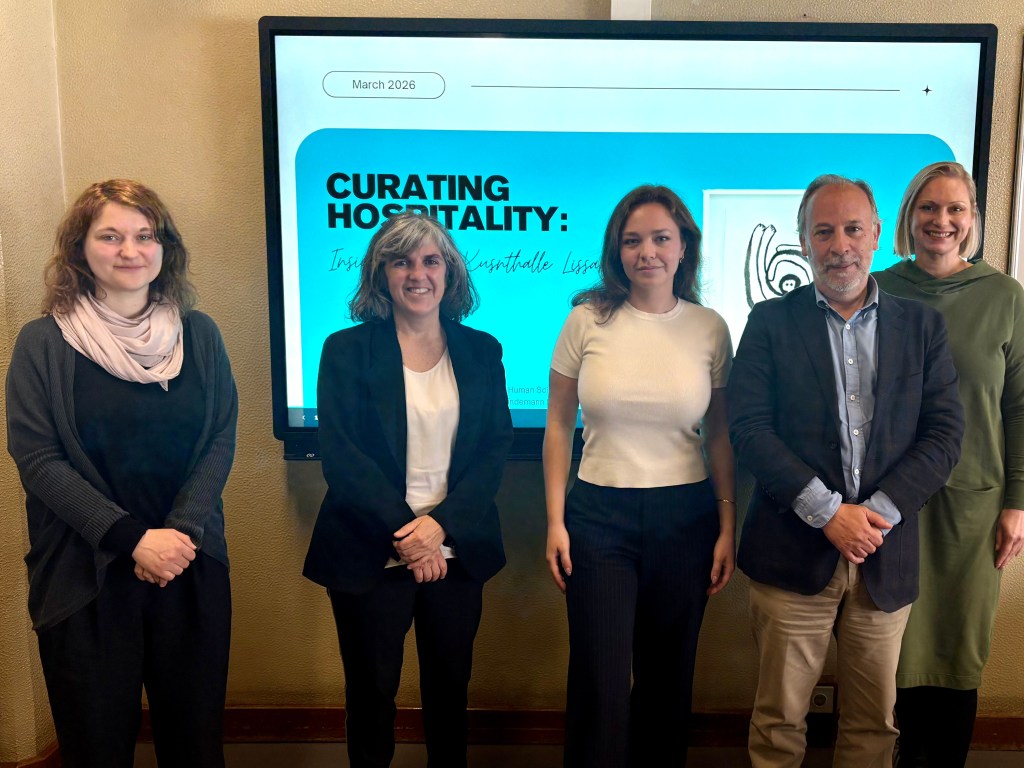
    Stafaniya Lisouskaya successfully defended the MA internship report “Curating Hospitality: Insights from Kunsthalle Lissabon” on 24 March, 2026.

  • LXC Talks | Salome Gorgiladze, 16 April 18:30 Sala Brasil

    LXC Talks | Salome Gorgiladze, 16 April 18:30 Sala Brasil

    The next LXC Talks will be with Salome Gorgiladze, Executive Board Director of SUD Lisboa and Sana Hotels, who has a remarkable career in management, entrepreneurship, fashion and hospitality. 

    The session “Building Experiences: Where culture, hospitality and entrepreneurship meet” will take place on 13 April at 18:30-19:30 in room Brasil (Library building, 1. floor).

    The talk is open to the entire academic community and the public. 

  • Congratulations, María!

    Congratulations, María!

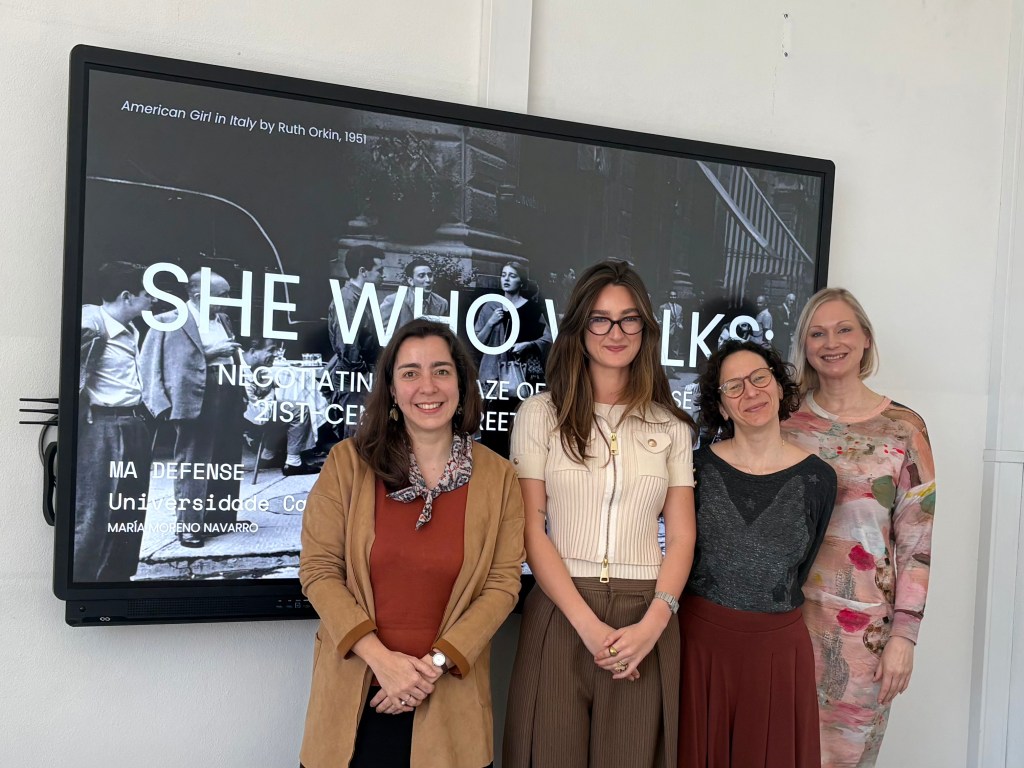
    María Moreno Navarro successfully defended the MA dissertation “She Who Walks: Negotiating the Gaze of the Flâneuse in 21st-Century Street Photography” on 23 March, 2026.

  • Congratulations, Lea!

    Congratulations, Lea!

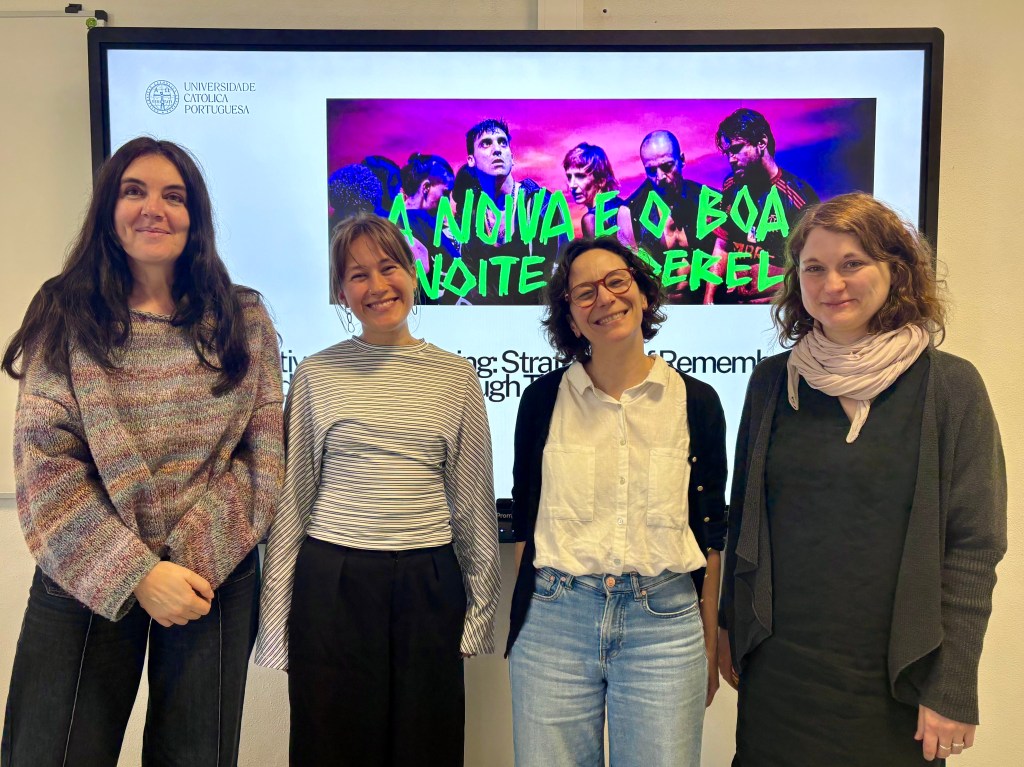
    Lea Breyer successfully defended the MA dissertation “Performative Memorializing: Staging Trauma and Remembering
    Femi(ni)cidal Violence” on 16 March, 2026.

  • Congratulations, Emma!

    Congratulations, Emma!

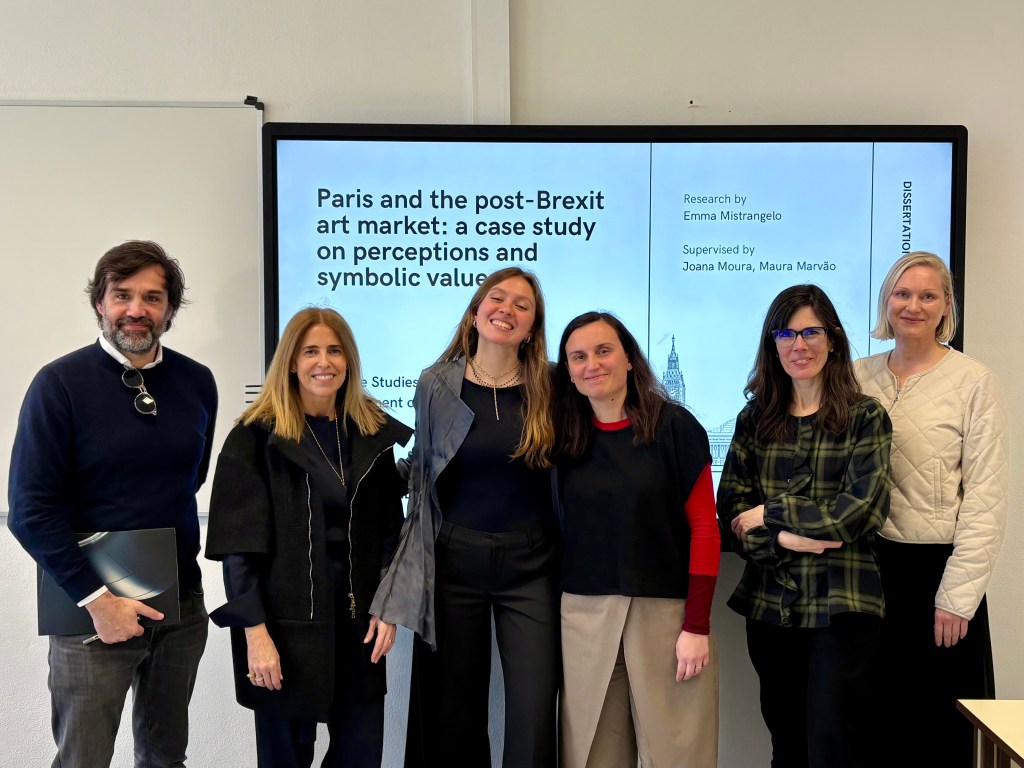
    Emma Mistrangelo successfully defended the MA dissertation “Paris and the Post-Brexit Art Market: A Case Study on Perceptions and Symbolic Value” on 12 March 2026.

  • Meet the Partners | CCB

    Meet the Partners | CCB

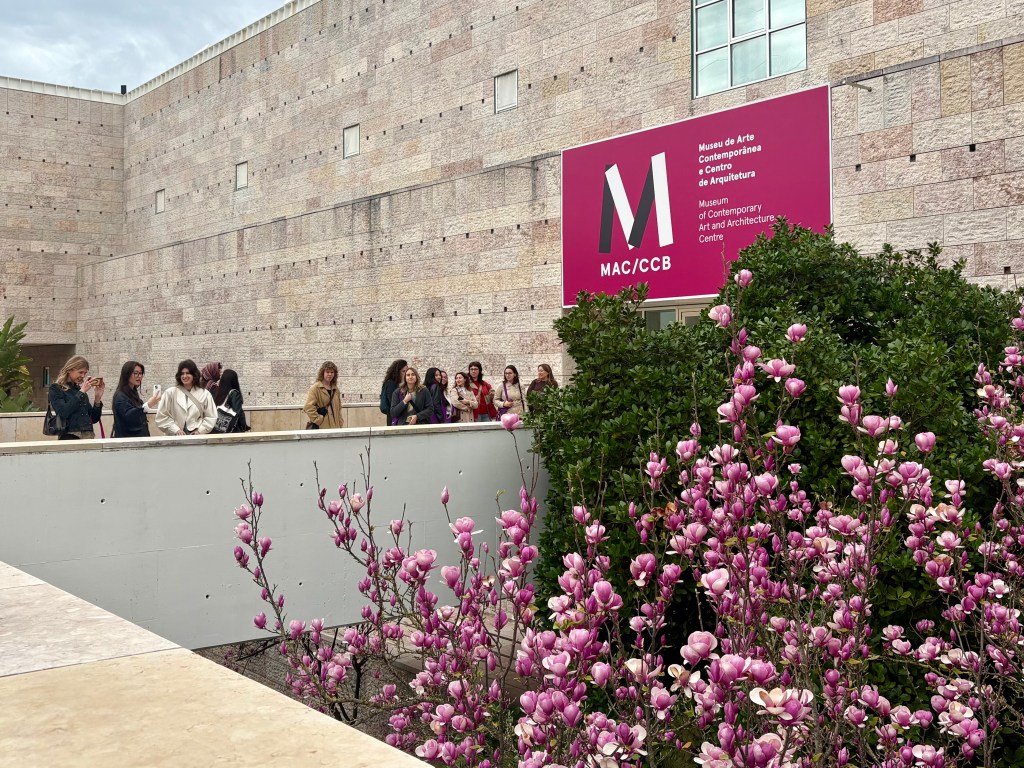
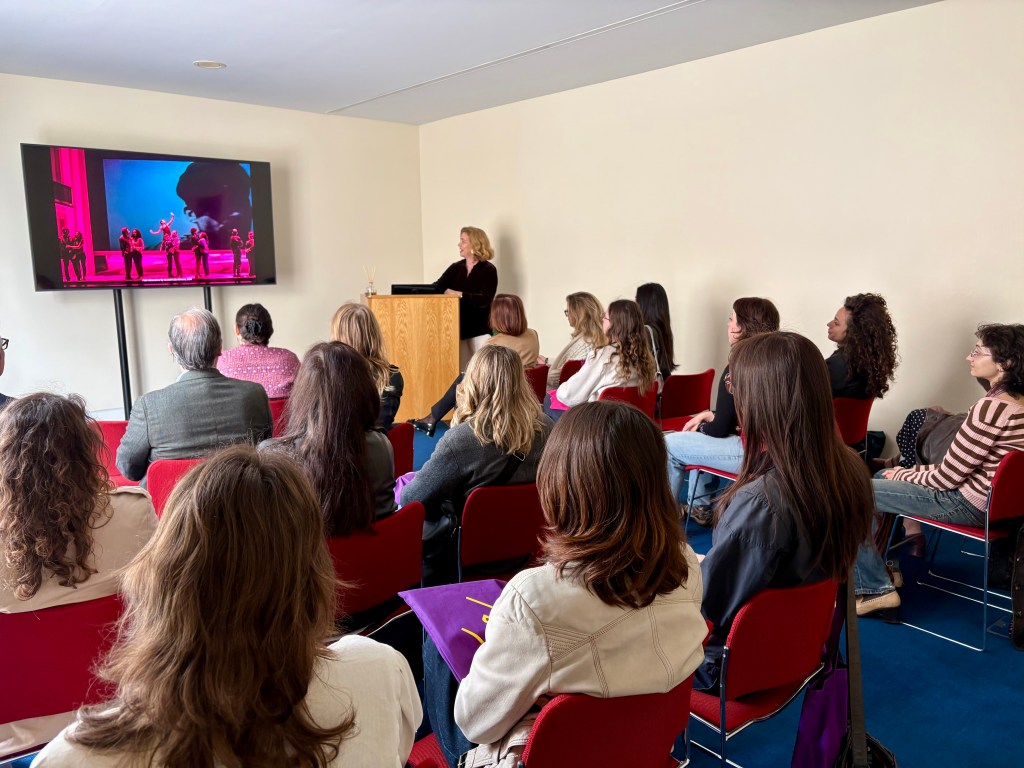
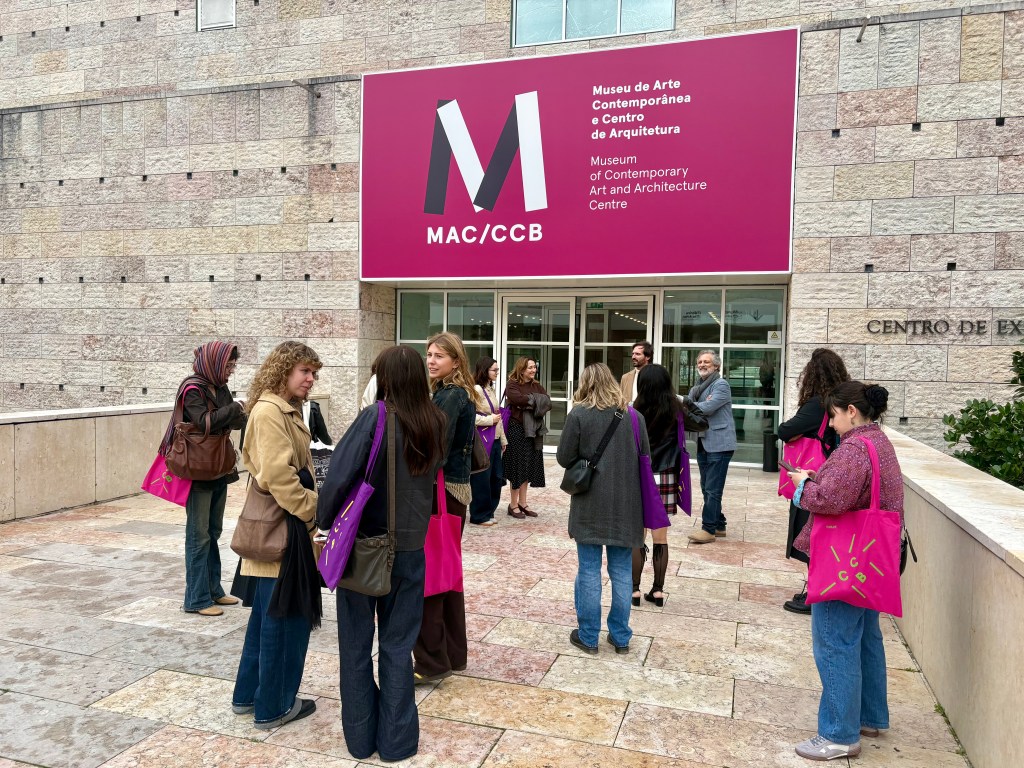
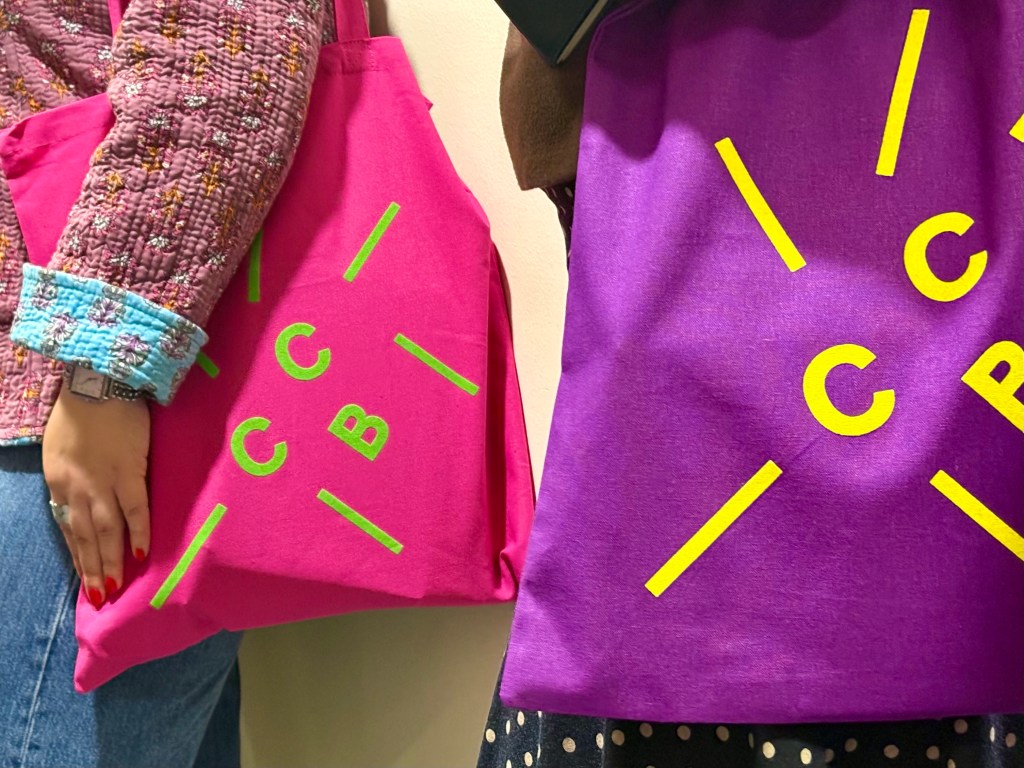
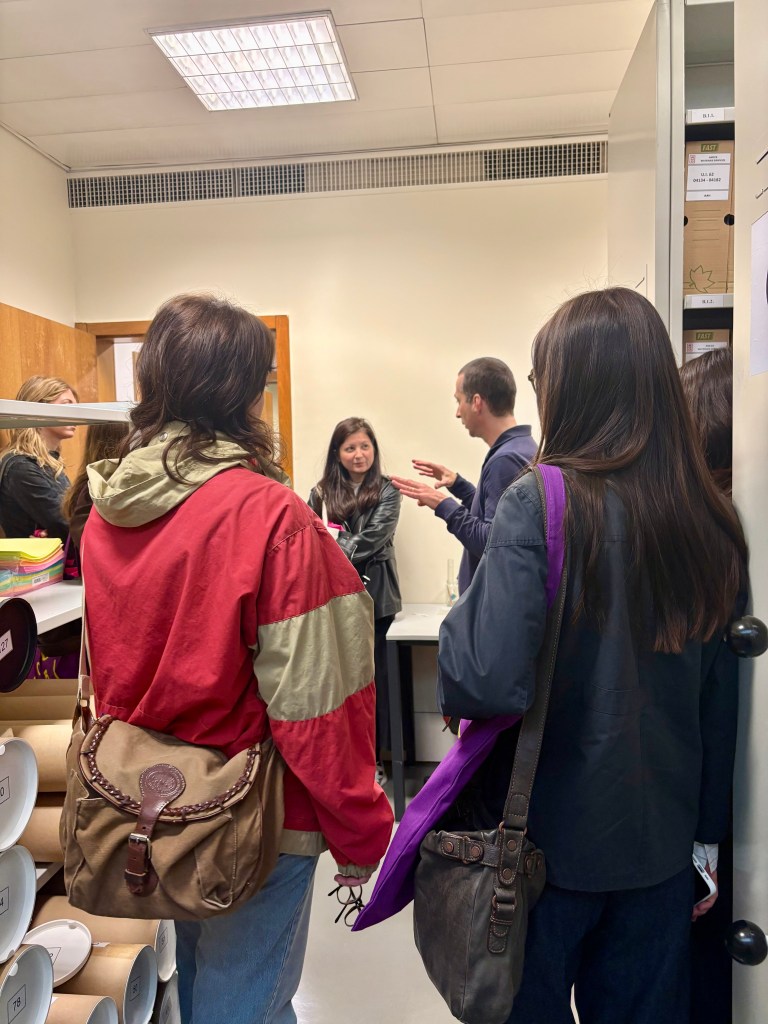
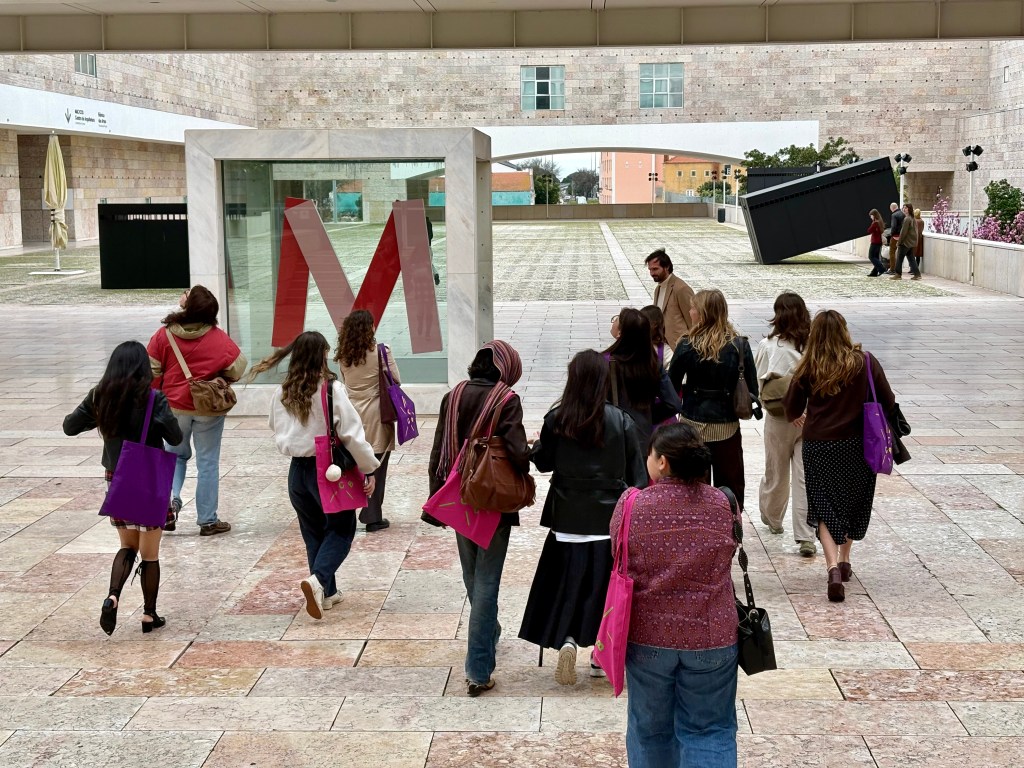
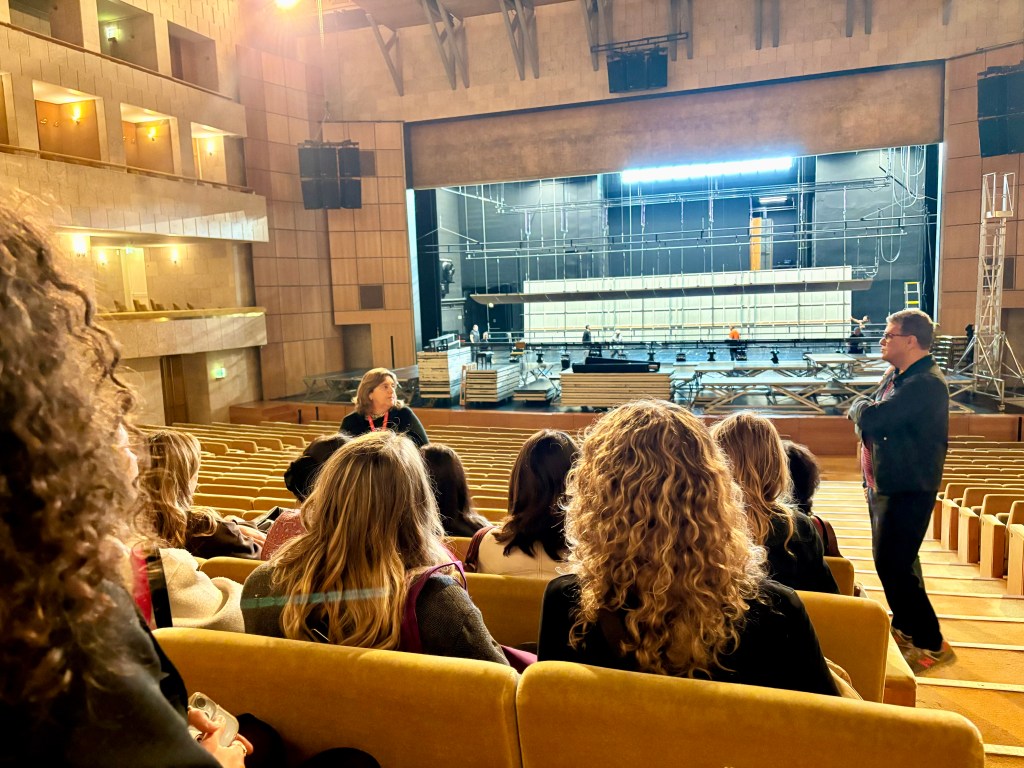
    On February 27, we visited the new Lisbon Consortium partner, Centro Cultural de Belém, receiving the warmest welcome and an institutional presentation, including potential areas of collaboration.

    We would like to thank the wonderful CCB team who took us around the different facilities – the archives, the library, the storage rooms, the Main Auditorium and the museum – and shared their knowledge and experience with us. This visit has already given rise to ideas that are being developed and we are eagerly looking forward to future collaborations.


  • On the passing of António Lobo Antunes

    On the passing of António Lobo Antunes

    A great writer has neither end nor death. This will always be true of António Lobo Antunes, who will remain with us in every reading, in every provocation. Universidade Católica Portuguesa and the Lisbon Consortium (FCH) deeply regret the passing of this great writer in the Portuguese language. We remember him at a moment of blossoming and joy: at the first Lisbon Summer School for the Study of Culture of the Master’s and PhD programs in Culture Studies and the first year of the Lisbon Consortium (2011), organized in partnership with the Centro Nacional de Cultura’s program, Disquiet.

    Fare thee well, for literature, like nature, is eternal.

    The Board of the Lisbon Consortium

  • LXC Visit | “The Garden of Earthly Delights” by Giovanni Blandino

    LXC Visit | “The Garden of Earthly Delights” by Giovanni Blandino

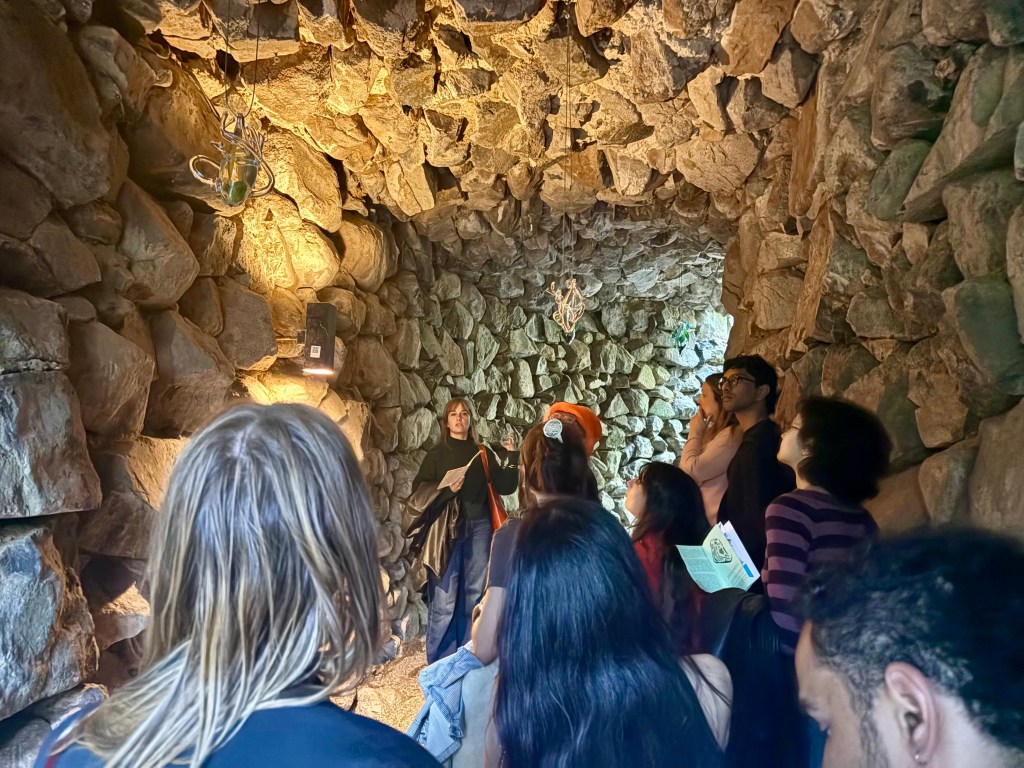
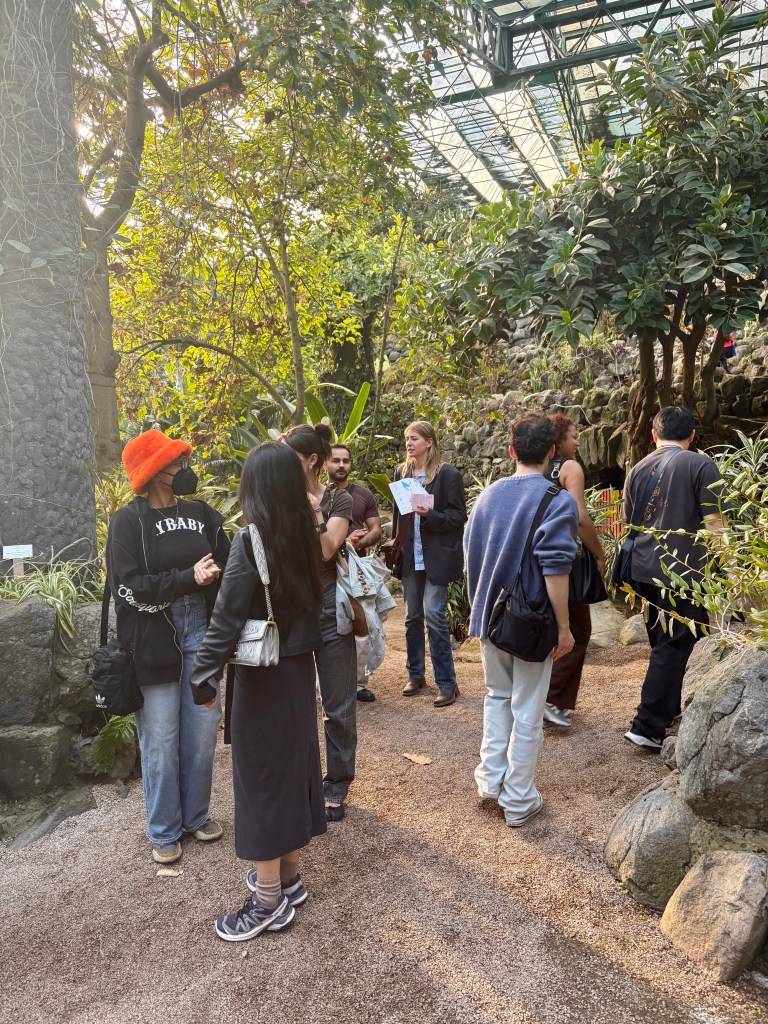
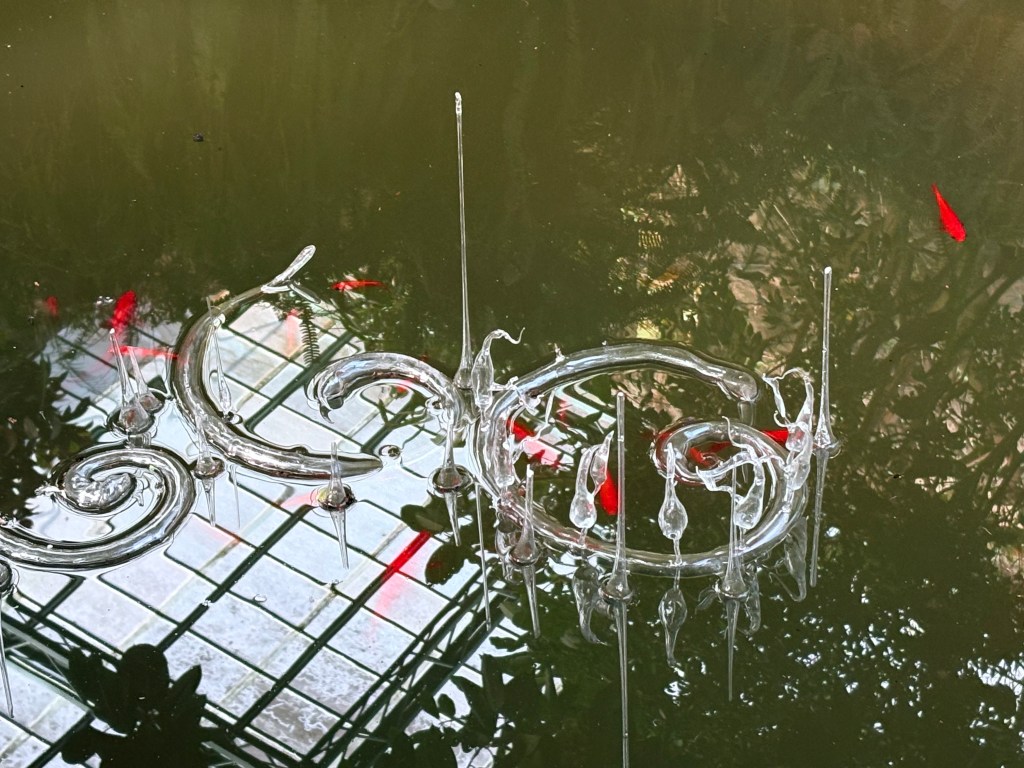
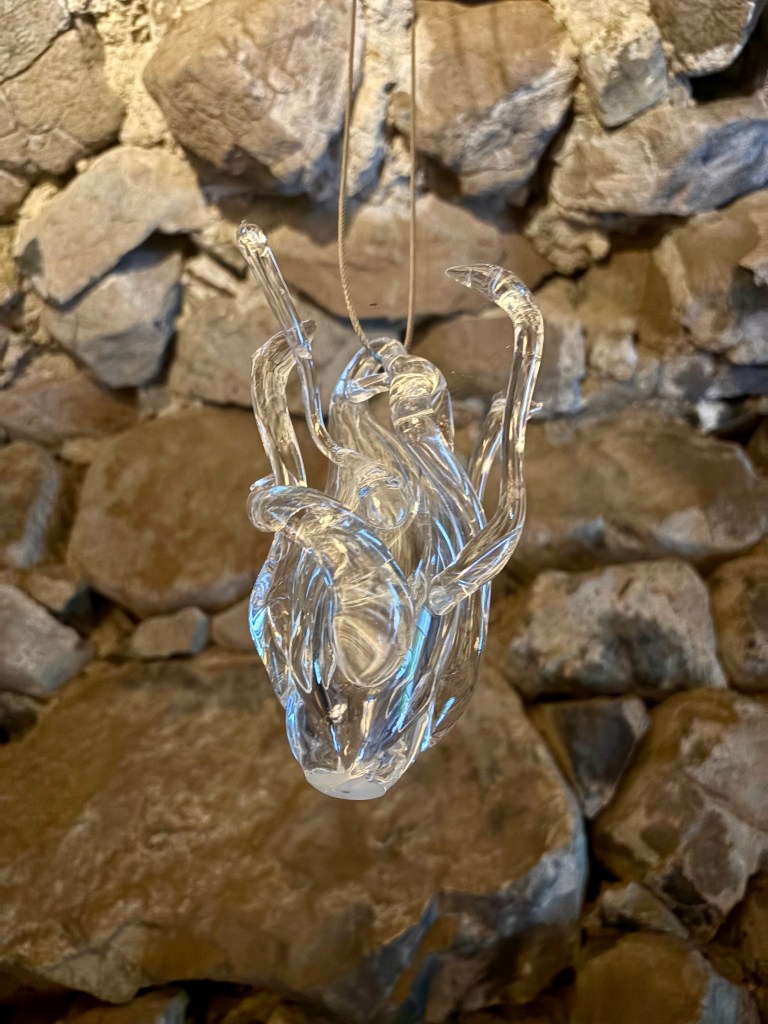
    In the context of the Ecocultures seminar, we visited the exhibition “The Garden of Earthly Delights” by Giovanni Blandino at Estufa Fria. The visit was guided by the curator Dela Miessen, alumna of the LXC, who gave us ta glimpse to the curatorial and production processes of exhibitions that take place in special environments and include sensitive materials, such as glass and ceramics.

    The artistic practice of Giovanni Blandino employs methodologies from alchemy that aims to knowledge production through engagement with the environment.

    The exhibition is ongoing at Estufa Fria until March 29, 2026.

    More information: https://estufafria.lisboa.pt/agenda/the-garden-of-earthly-delights-1

  • Diffractions launch | Stages

    Diffractions launch | Stages

    The latest issue of Diffractions was launched on 24 February, 2026, with the presence of the Editorial Team and the Guest Editors Eduardo Prado Cardoso and Elizângela Carvalho Noronha who discussed the collection of articles that explore aging from the perspectives of communication, dance, theatre, and literature.

    The latest issue is available here: https://revistas.ucp.pt/index.php/diffractions/

  • Congratulations, Anca!

    Congratulations, Anca!

    Anca Usurelu successfully defended the MA dissertation “Resonant Fields – Attuning to Sonic Worlds and Listening as Lived Experience” on 12 February, 2026.

  • Congratulations, Francisca!

    Congratulations, Francisca!

    Francisca Pereira successfully defended the MA dissertation “Ghosts of the Past: Representations of Cultural Trauma and Memory through Folklore in Contemporary Horror Cinema – The Case of La Llorona (2019)” on 9 February, 2026.

  • Congratulations, Alberto!

    Congratulations, Alberto!

    Alberto Blanco successfully defended the MA dissertation “The Discursive Role of Display: Curatorial Practices and Meaning in Exhibitions” on 6 February, 2026.

  • Launch of Diffractions special issue “Stages”, 24 Feb 17:00

    Launch of Diffractions special issue “Stages”, 24 Feb 17:00

    The launch of Diffractions special issue “Stages”, on ageing, communication and culture, takes place 24 February at 17:00 in Room Expansão Missionária. The editors and CECC members Eduardo Prado Cardoso and Elizângela Carvalho Noronha will discuss how this collection of articles that advance the discussion of ageing interconnected with various fields, such as communication, dance, theatre, and literature.

    Learn more about Diffractions: https://revistas.ucp.pt/index.php/diffractions/

  • Congratulations, Milana!

    Congratulations, Milana!

    Milana Teterevenkova successfully defended the MA dissertation “From Collective Action to Self-Care: The Impact of Therapy Culture on Public Disengagement in Russia” on 26 January, 2026.