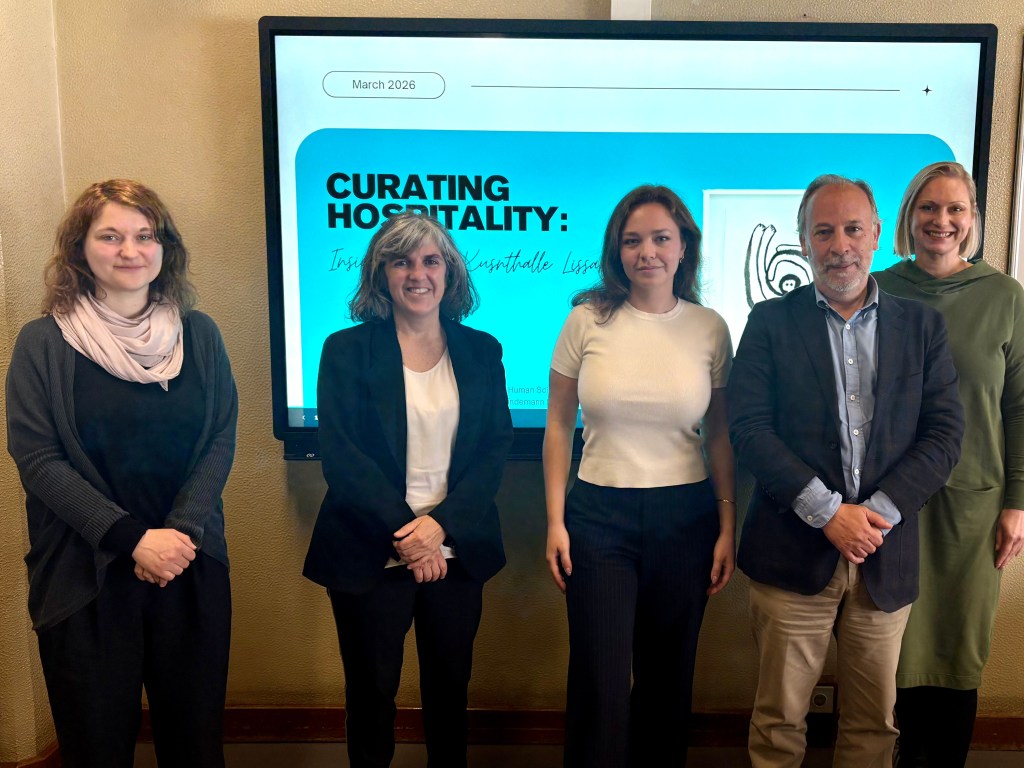
Stafaniya Lisouskaya successfully defended the MA internship report “Curating Hospitality: Insights from Kunsthalle Lissabon” on 24 March, 2026.
Blog
-
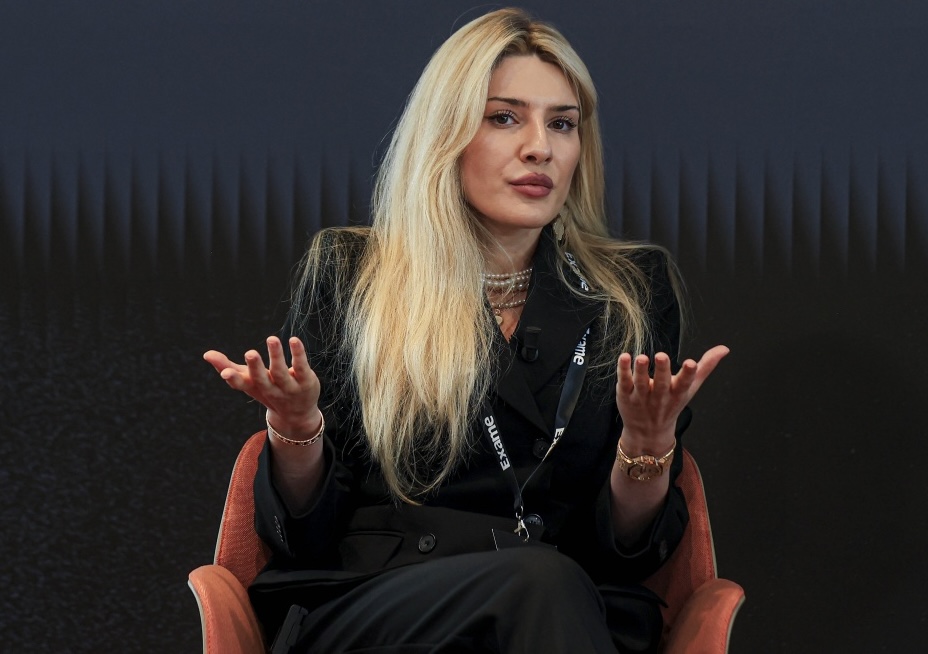
LXC Talks | Salome Gorgiladze, 16 April 18:30 Sala Brasil
The next LXC Talks will be with Salome Gorgiladze, Executive Board Director of SUD Lisboa and Sana Hotels, who has a remarkable career in management, entrepreneurship, fashion and hospitality.
The session “Building Experiences: Where culture, hospitality and entrepreneurship meet” will take place on 13 April at 18:30-19:30 in room Brasil (Library building, 1. floor).
The talk is open to the entire academic community and the public.
-
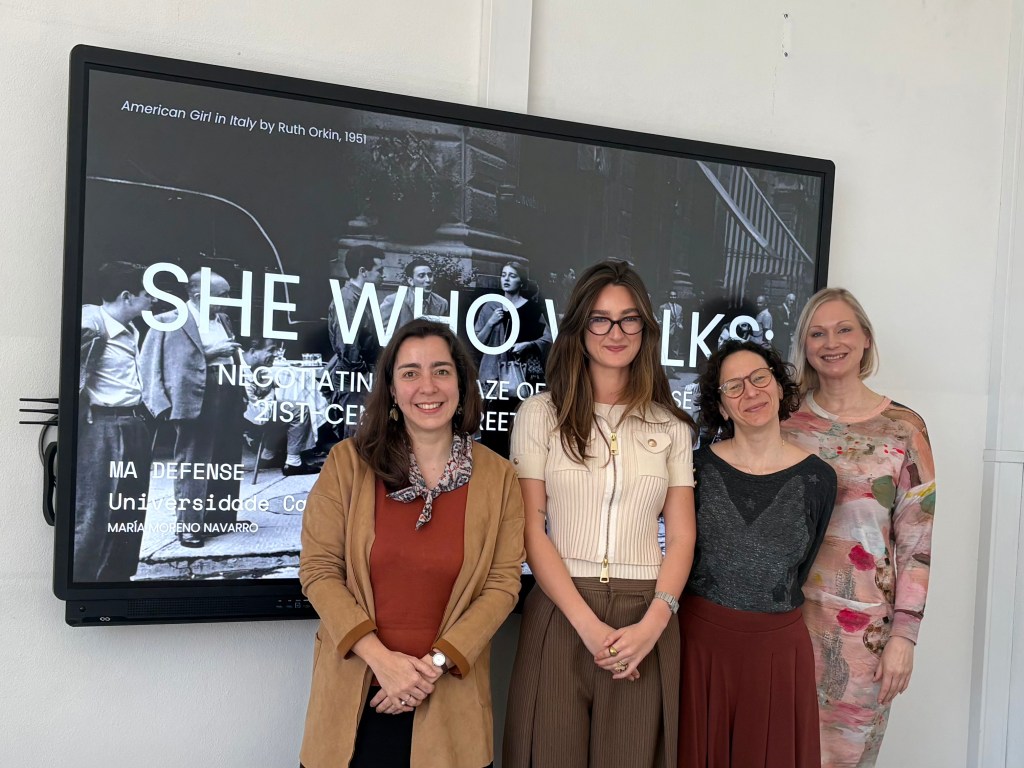
Congratulations, María!
María Moreno Navarro successfully defended the MA dissertation “She Who Walks: Negotiating the Gaze of the Flâneuse in 21st-Century Street Photography” on 23 March, 2026.
-
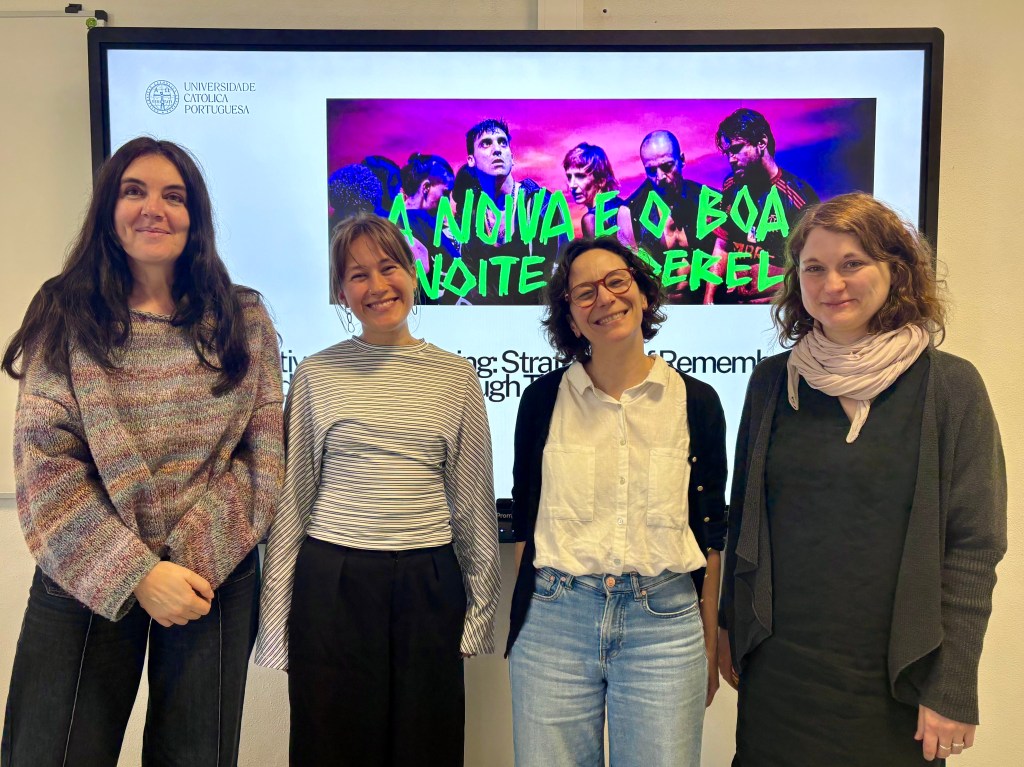
Congratulations, Lea!
Lea Breyer successfully defended the MA dissertation “Performative Memorializing: Staging Trauma and Remembering
Femi(ni)cidal Violence” on 16 March, 2026. -
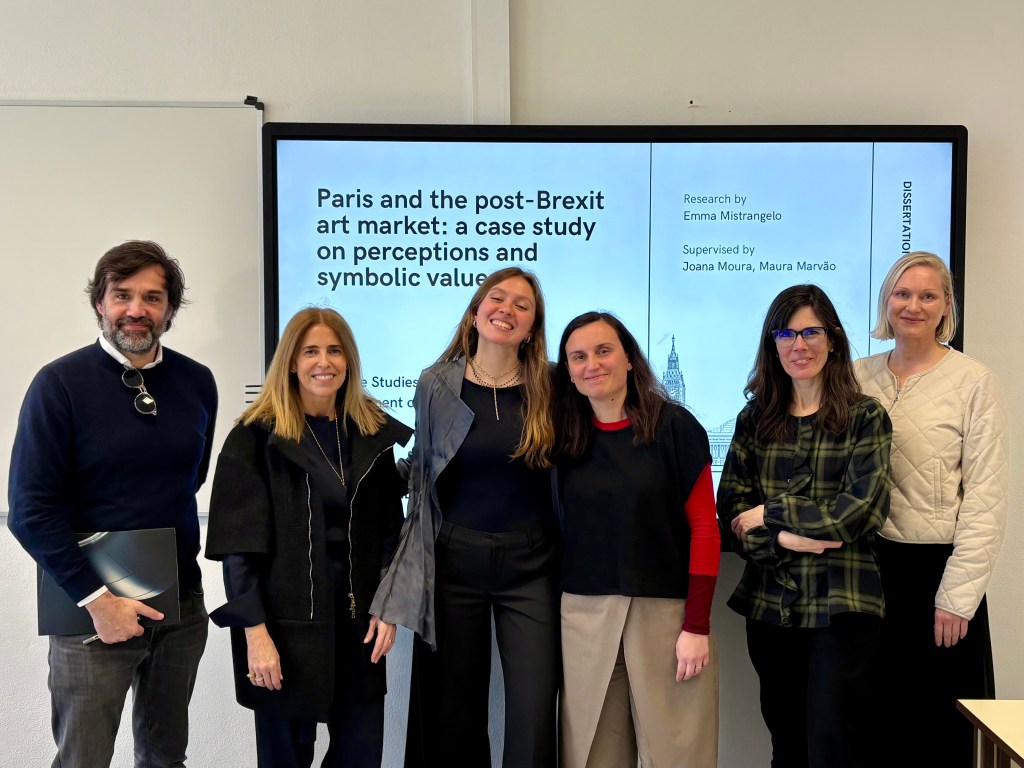
Congratulations, Emma!
Emma Mistrangelo successfully defended the MA dissertation “Paris and the Post-Brexit Art Market: A Case Study on Perceptions and Symbolic Value” on 12 March 2026.
-
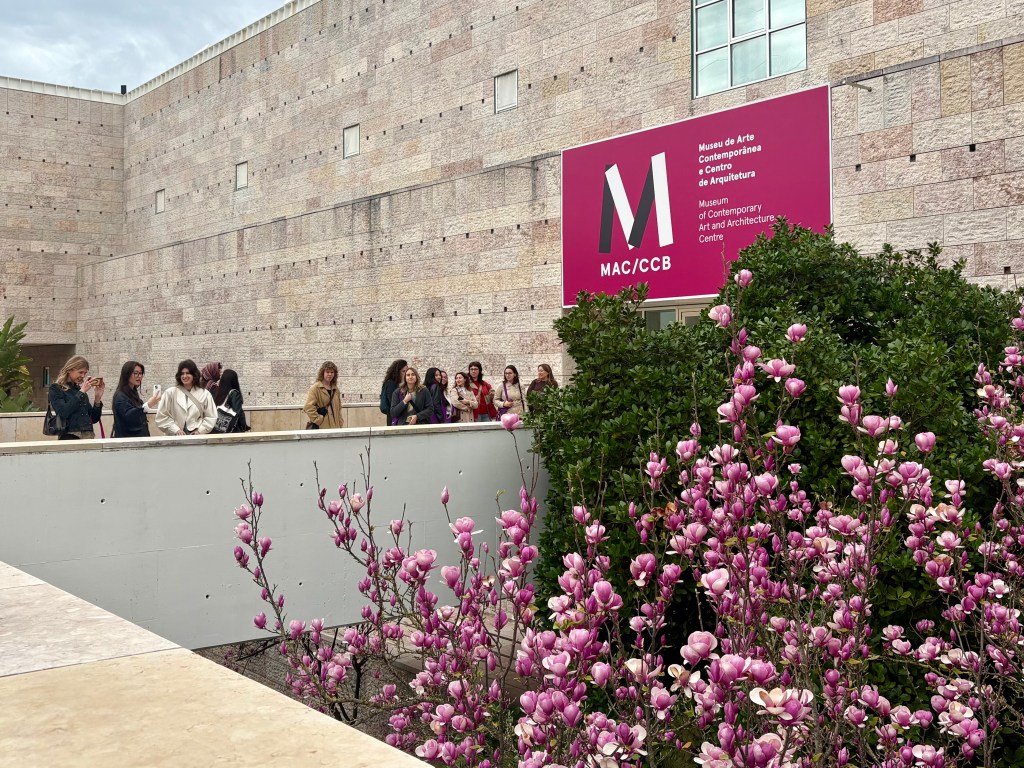
Meet the Partners | CCB
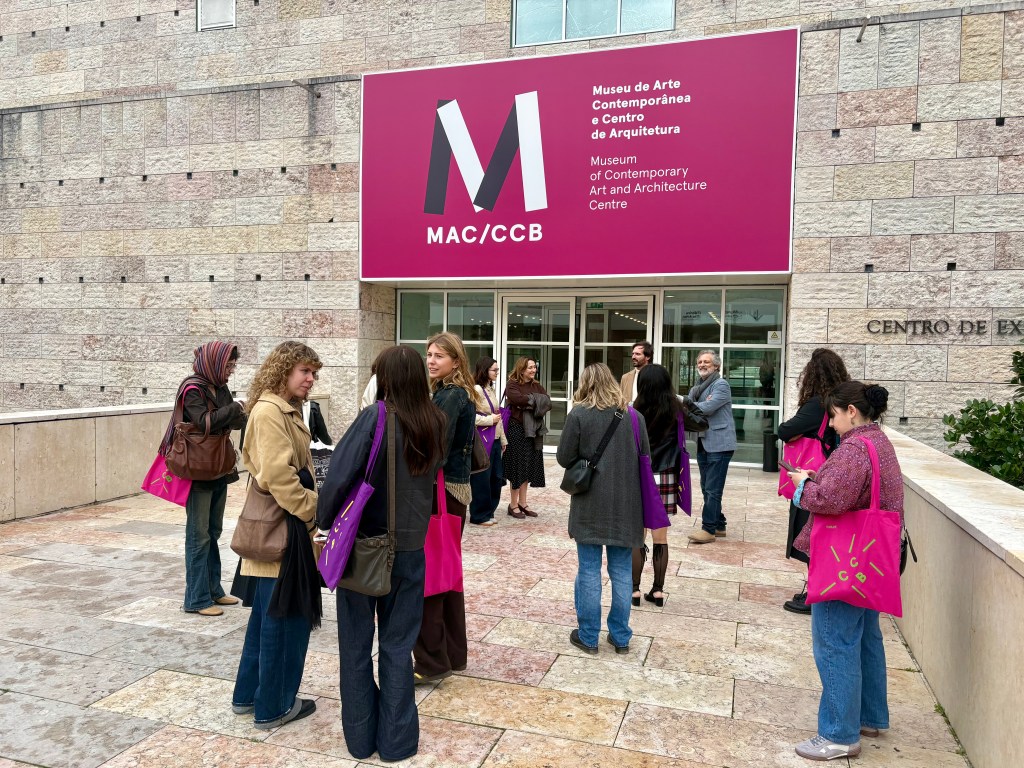
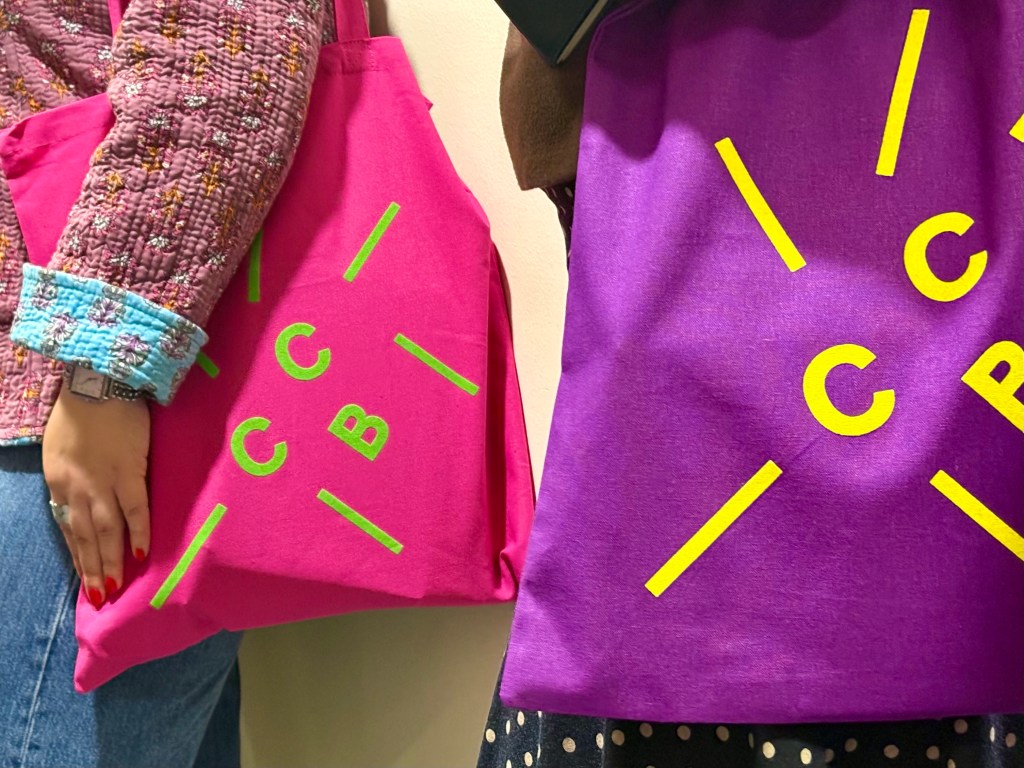
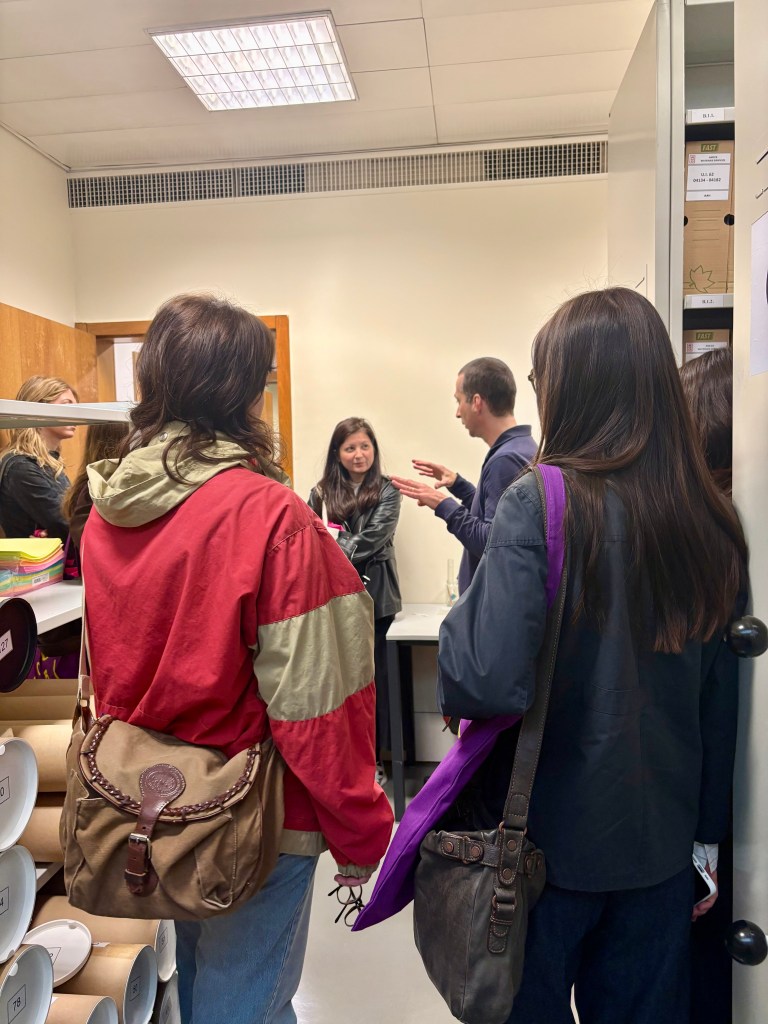
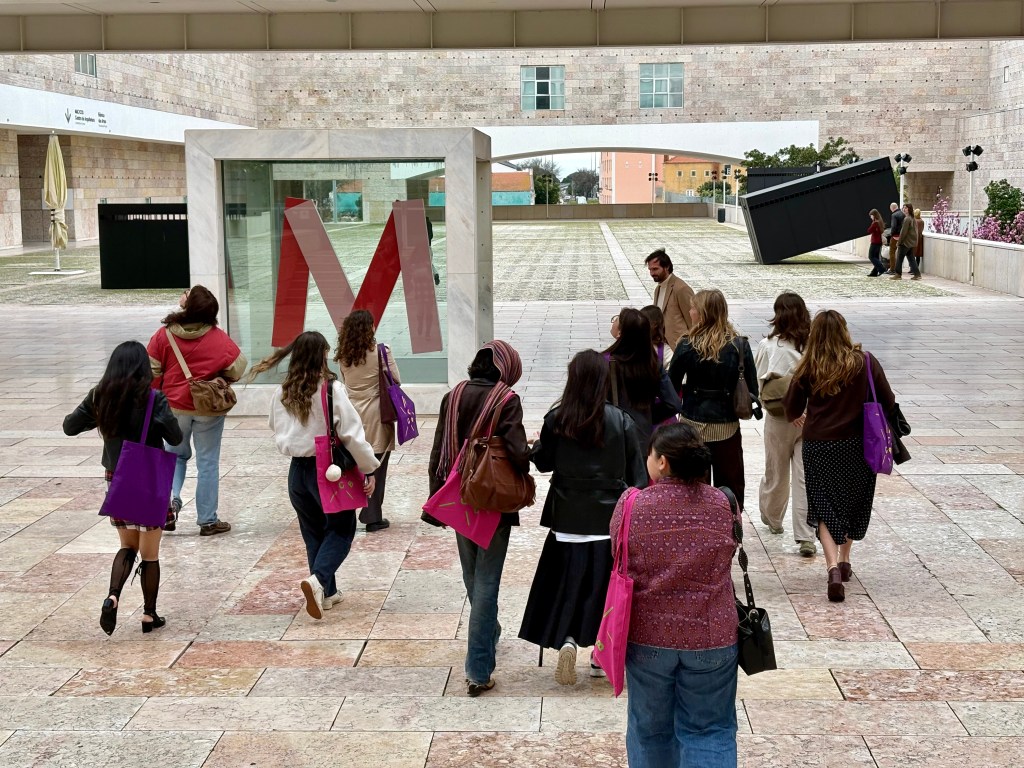
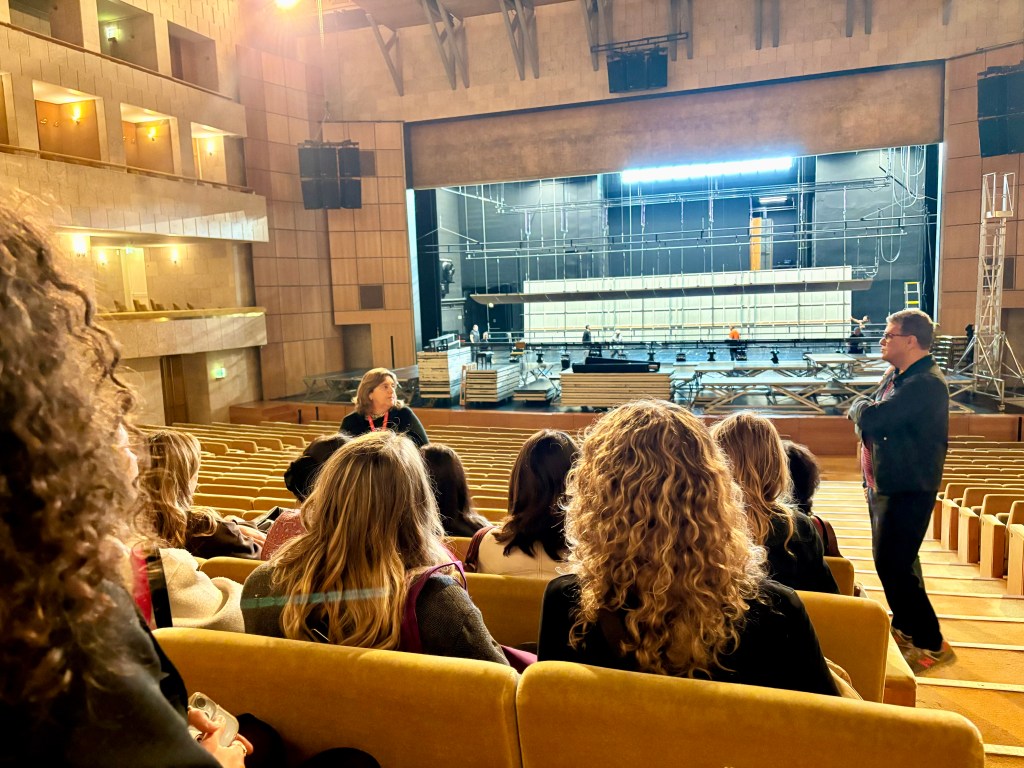
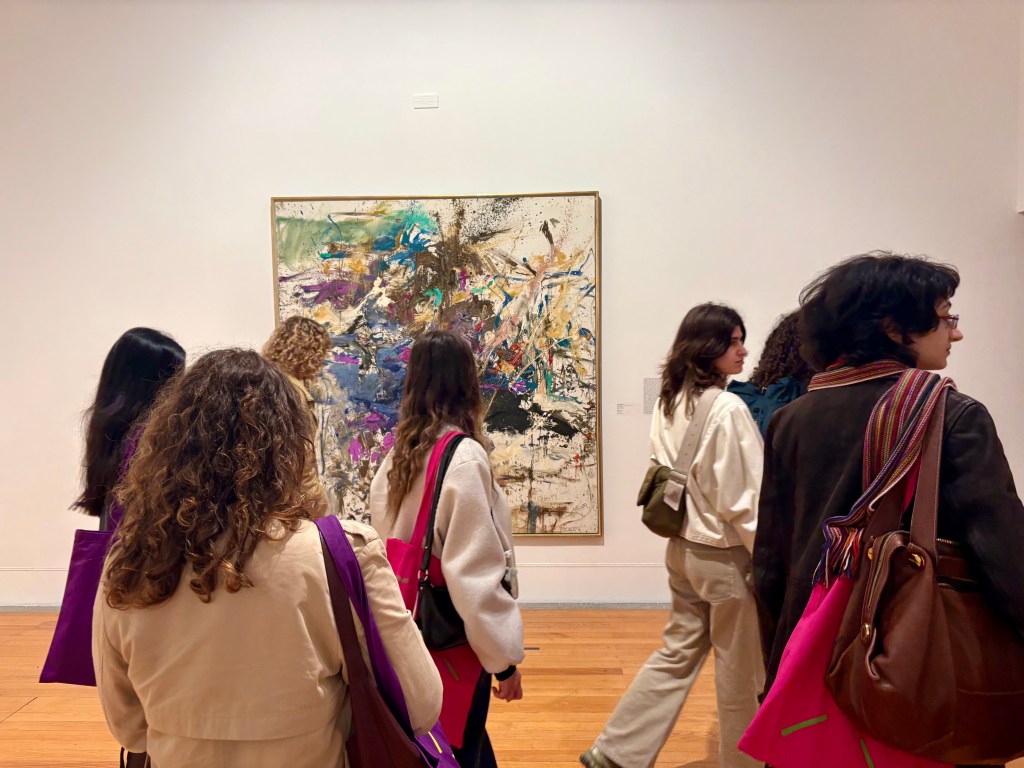
On February 27, we visited the new Lisbon Consortium partner, Centro Cultural de Belém, receiving the warmest welcome and an institutional presentation, including potential areas of collaboration.
We would like to thank the wonderful CCB team who took us around the different facilities – the archives, the library, the storage rooms, the Main Auditorium and the museum – and shared their knowledge and experience with us. This visit has already given rise to ideas that are being developed and we are eagerly looking forward to future collaborations.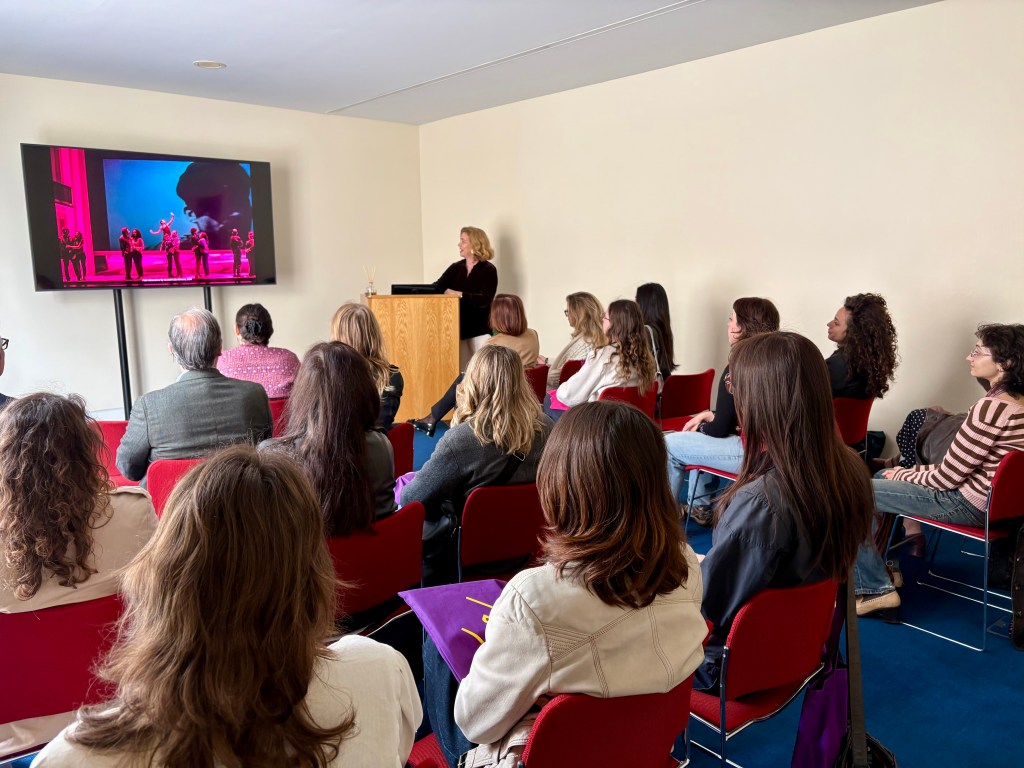
-
On the passing of António Lobo Antunes
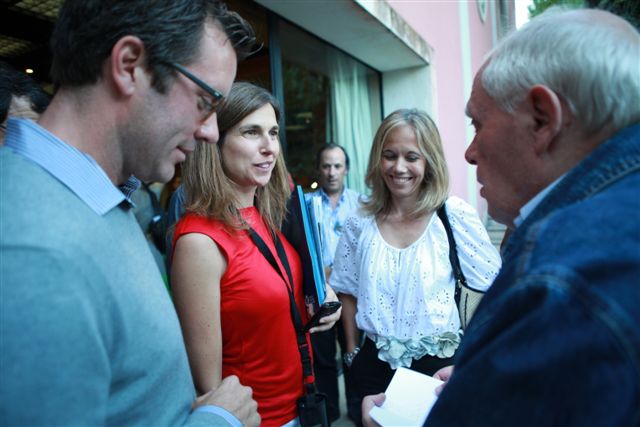
A great writer has neither end nor death. This will always be true of António Lobo Antunes, who will remain with us in every reading, in every provocation. Universidade Católica Portuguesa and the Lisbon Consortium (FCH) deeply regret the passing of this great writer in the Portuguese language. We remember him at a moment of blossoming and joy: at the first Lisbon Summer School for the Study of Culture of the Master’s and PhD programs in Culture Studies and the first year of the Lisbon Consortium (2011), organized in partnership with the Centro Nacional de Cultura’s program, Disquiet.
Fare thee well, for literature, like nature, is eternal.
The Board of the Lisbon Consortium
-
LXC Visit | “The Garden of Earthly Delights” by Giovanni Blandino
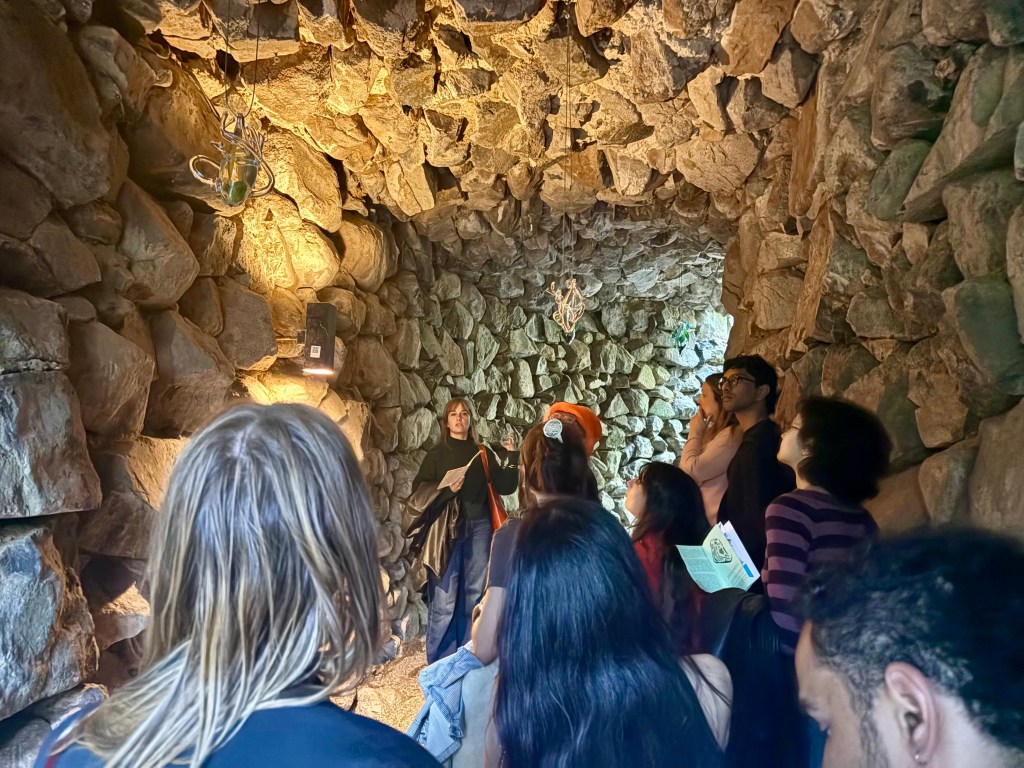
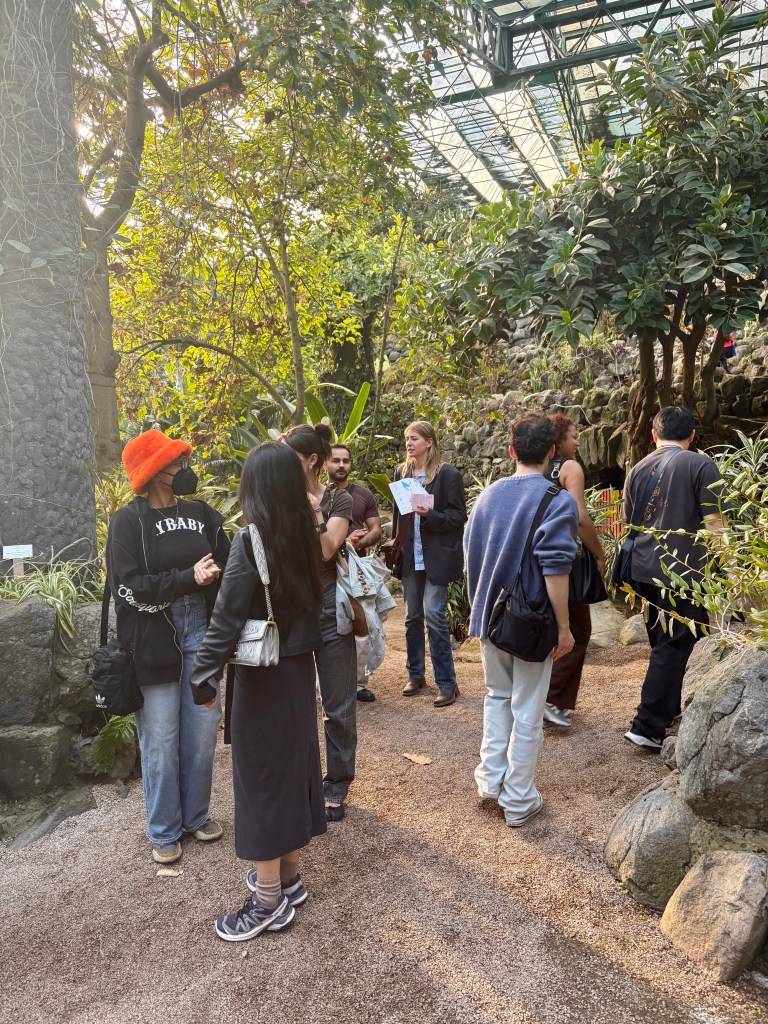
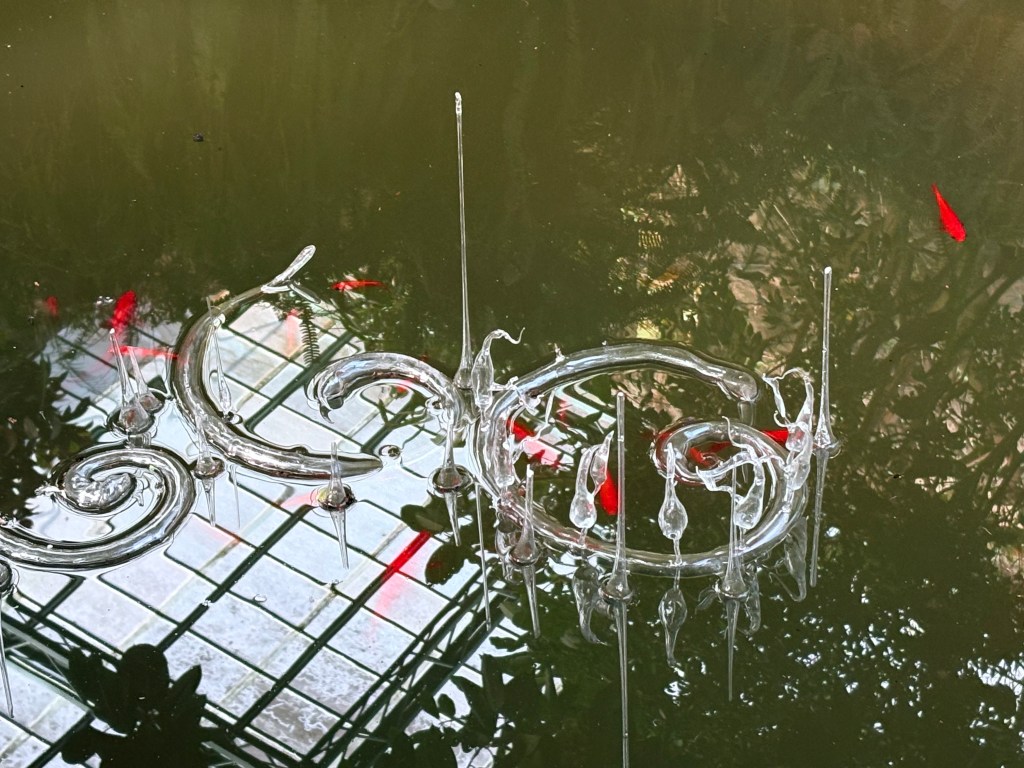
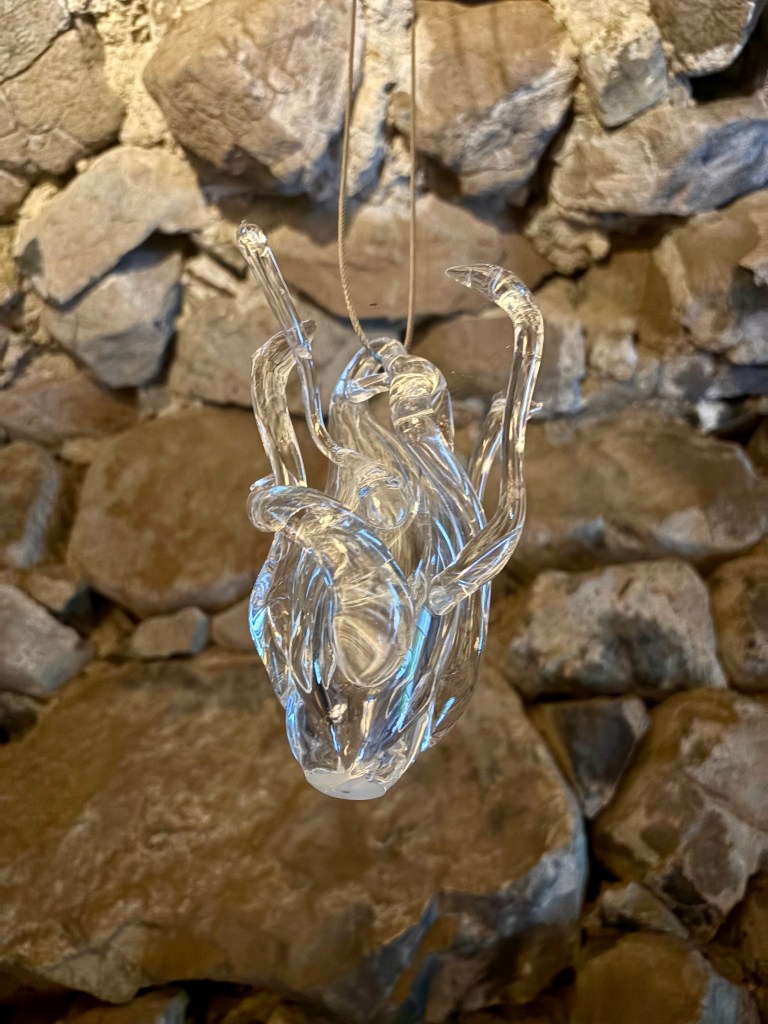
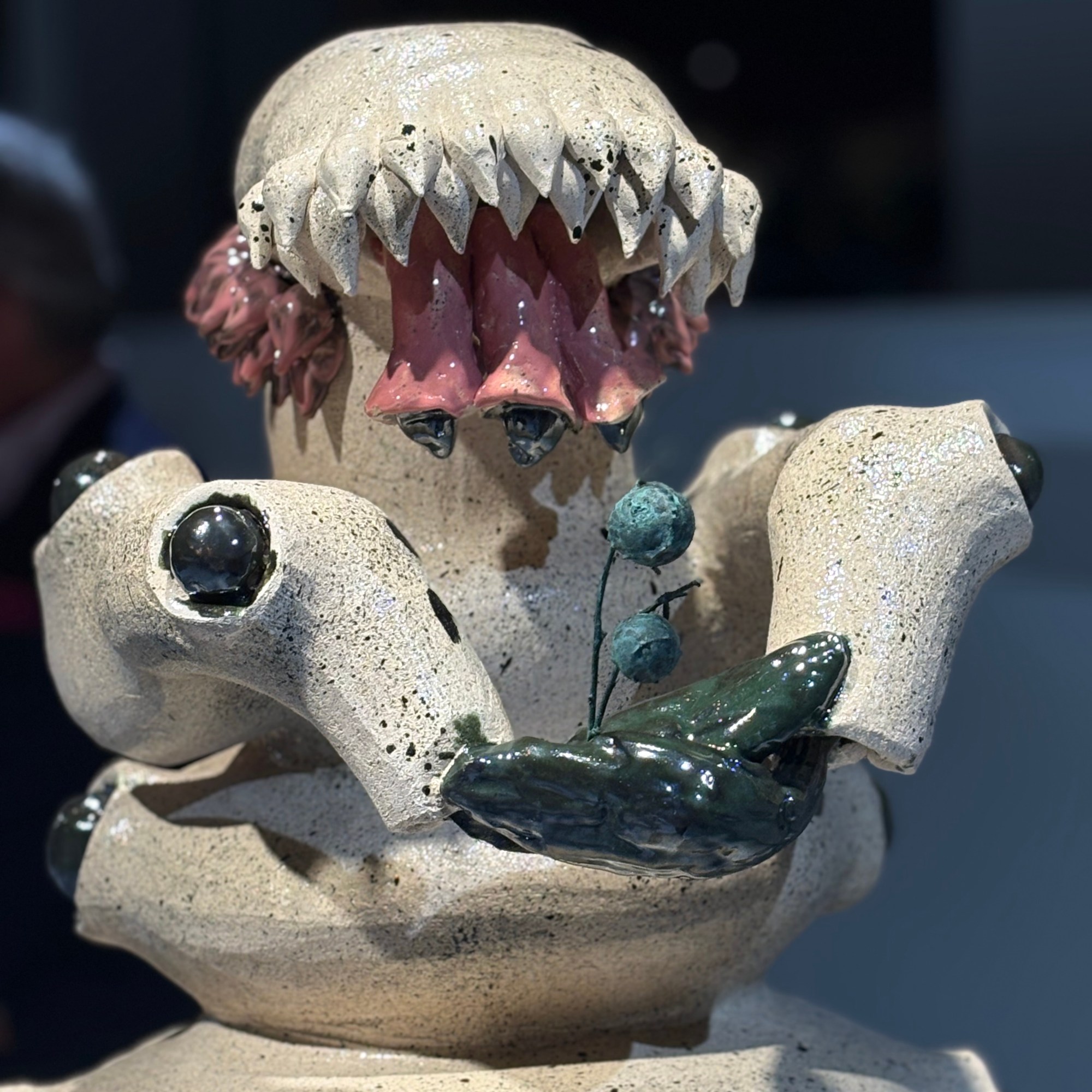
In the context of the Ecocultures seminar, we visited the exhibition “The Garden of Earthly Delights” by Giovanni Blandino at Estufa Fria. The visit was guided by the curator Dela Miessen, alumna of the LXC, who gave us ta glimpse to the curatorial and production processes of exhibitions that take place in special environments and include sensitive materials, such as glass and ceramics.
The artistic practice of Giovanni Blandino employs methodologies from alchemy that aims to knowledge production through engagement with the environment.
The exhibition is ongoing at Estufa Fria until March 29, 2026.
More information: https://estufafria.lisboa.pt/agenda/the-garden-of-earthly-delights-1
-
Diffractions launch | Stages
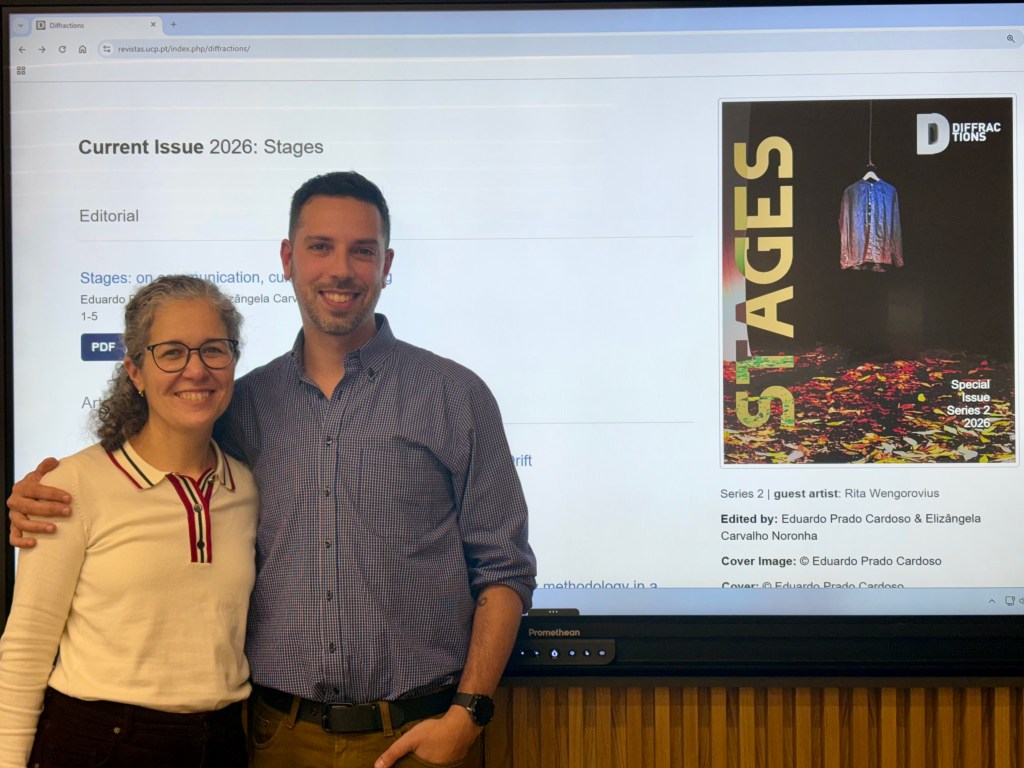
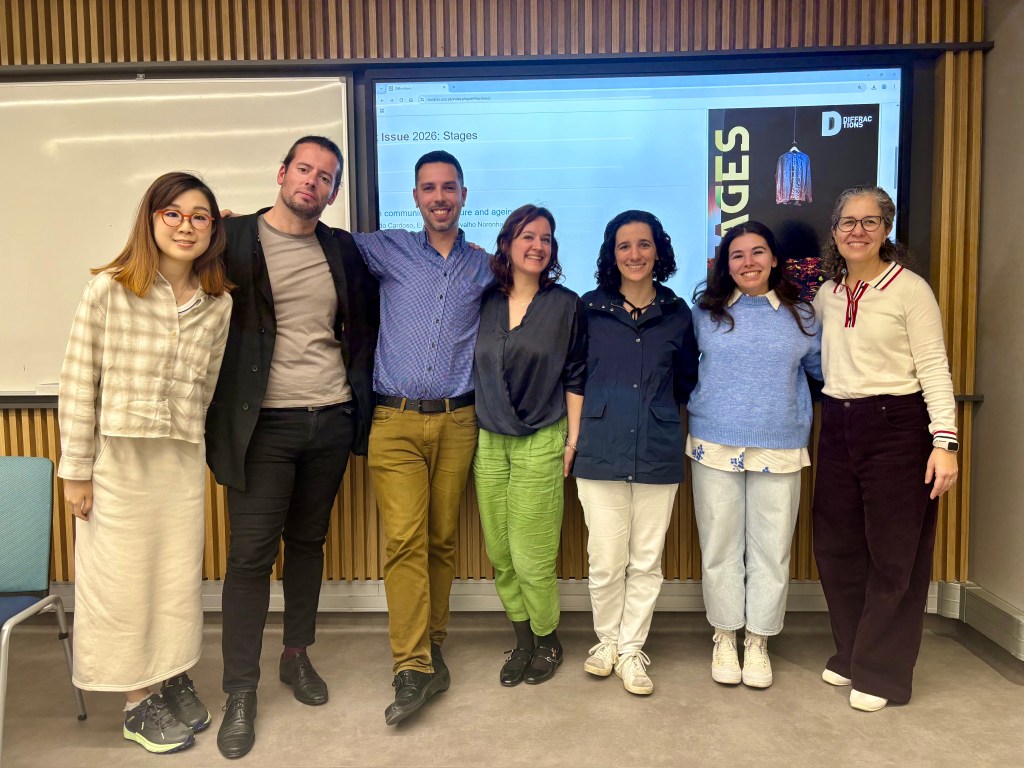
The latest issue of Diffractions was launched on 24 February, 2026, with the presence of the Editorial Team and the Guest Editors Eduardo Prado Cardoso and Elizângela Carvalho Noronha who discussed the collection of articles that explore aging from the perspectives of communication, dance, theatre, and literature.
The latest issue is available here: https://revistas.ucp.pt/index.php/diffractions/
-
Congratulations, Anca!
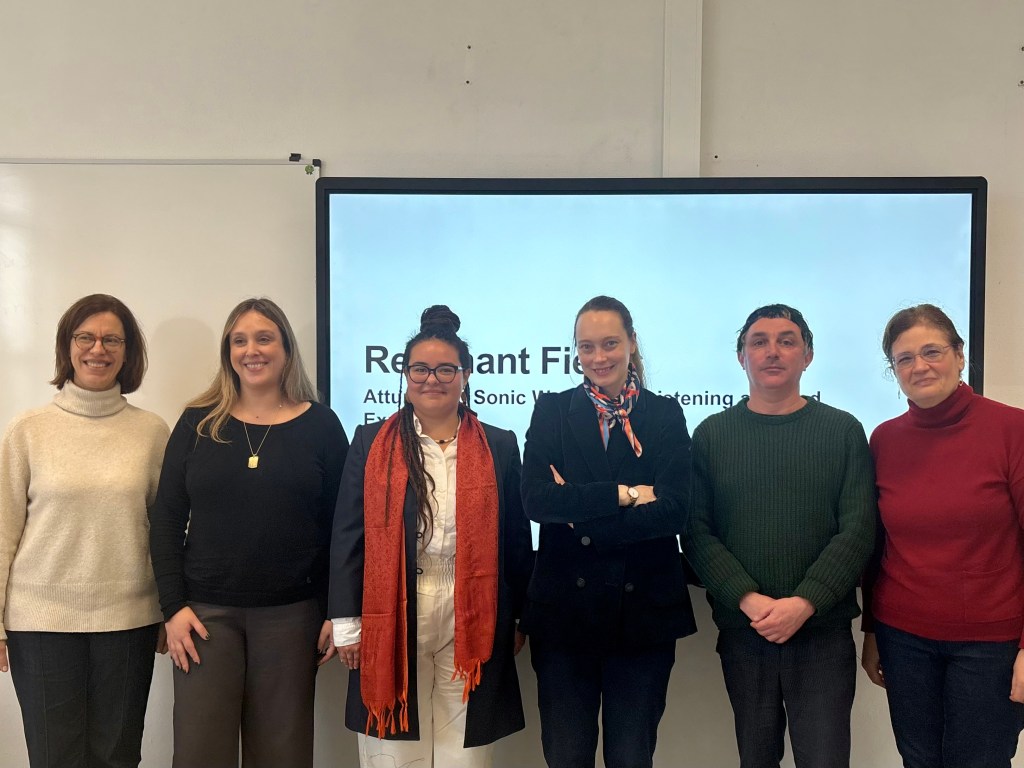
Anca Usurelu successfully defended the MA dissertation “Resonant Fields – Attuning to Sonic Worlds and Listening as Lived Experience” on 12 February, 2026.
-
Congratulations, Francisca!
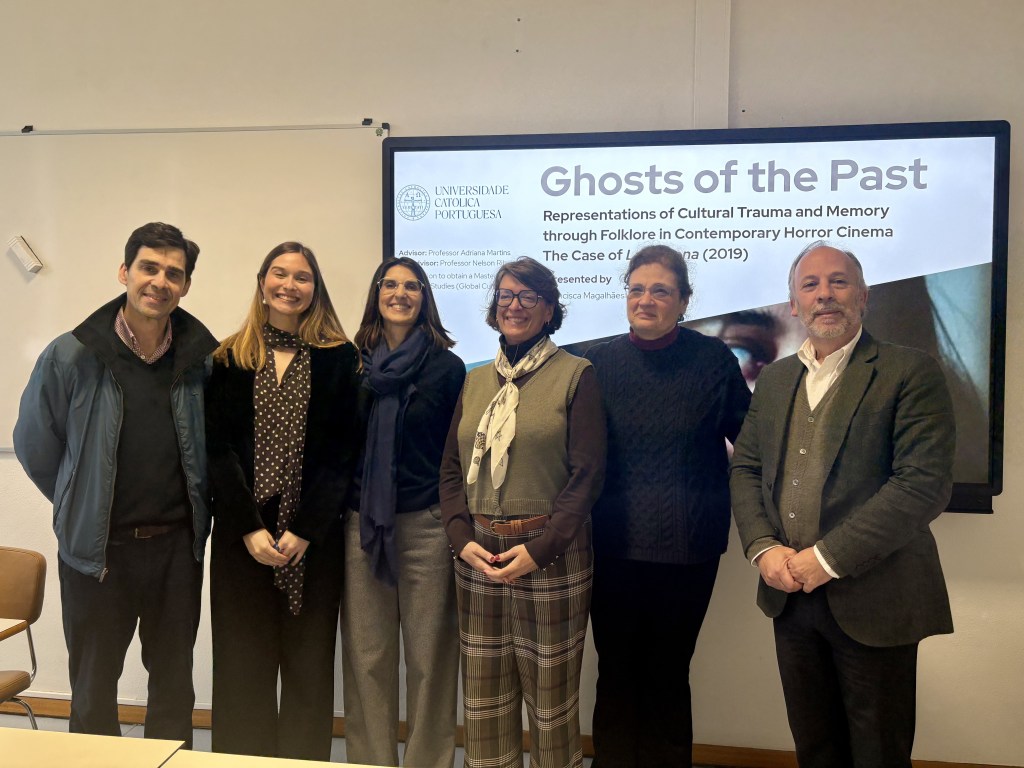
Francisca Pereira successfully defended the MA dissertation “Ghosts of the Past: Representations of Cultural Trauma and Memory through Folklore in Contemporary Horror Cinema – The Case of La Llorona (2019)” on 9 February, 2026.
-
Congratulations, Alberto!
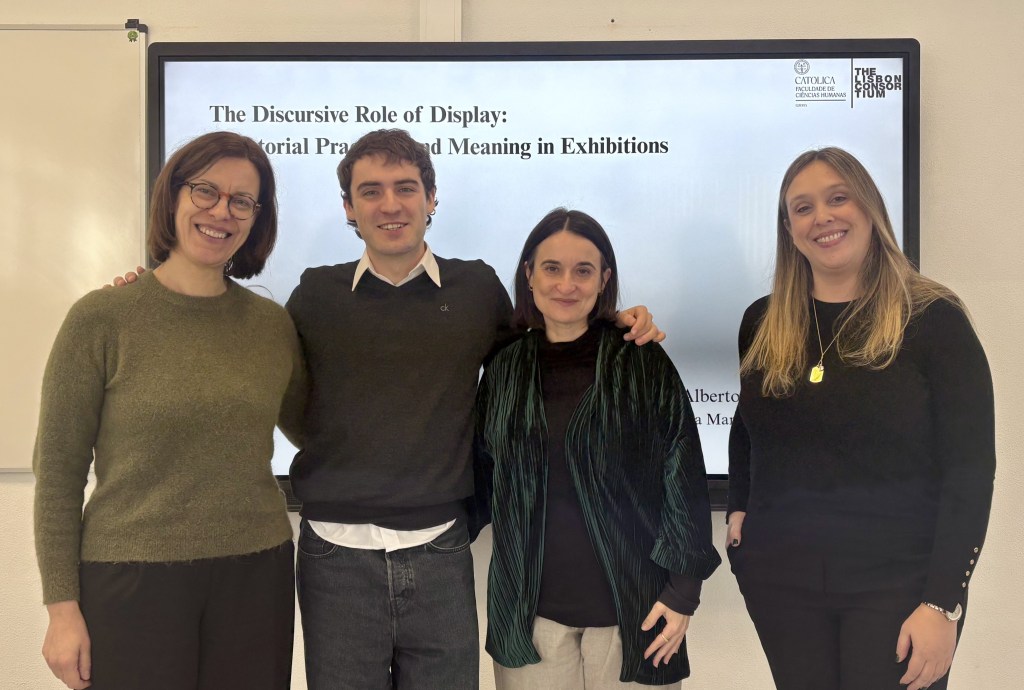
Alberto Blanco successfully defended the MA dissertation “The Discursive Role of Display: Curatorial Practices and Meaning in Exhibitions” on 6 February, 2026.
-
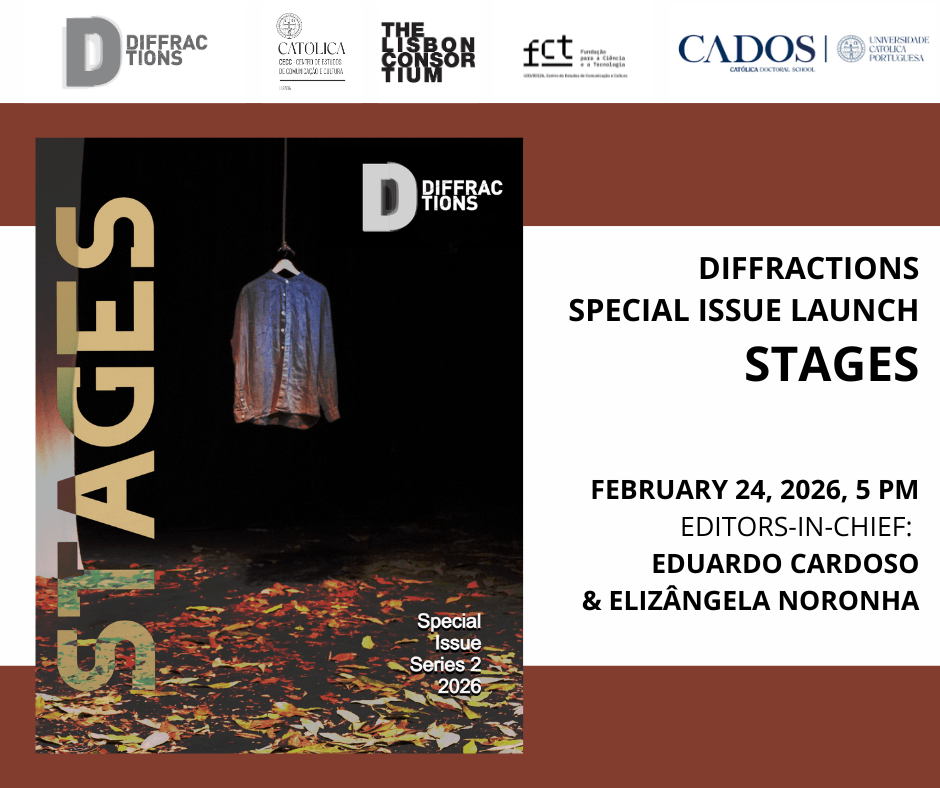
Launch of Diffractions special issue “Stages”, 24 Feb 17:00
The launch of Diffractions special issue “Stages”, on ageing, communication and culture, takes place 24 February at 17:00 in Room Expansão Missionária. The editors and CECC members Eduardo Prado Cardoso and Elizângela Carvalho Noronha will discuss how this collection of articles that advance the discussion of ageing interconnected with various fields, such as communication, dance, theatre, and literature.
Learn more about Diffractions: https://revistas.ucp.pt/index.php/diffractions/ -
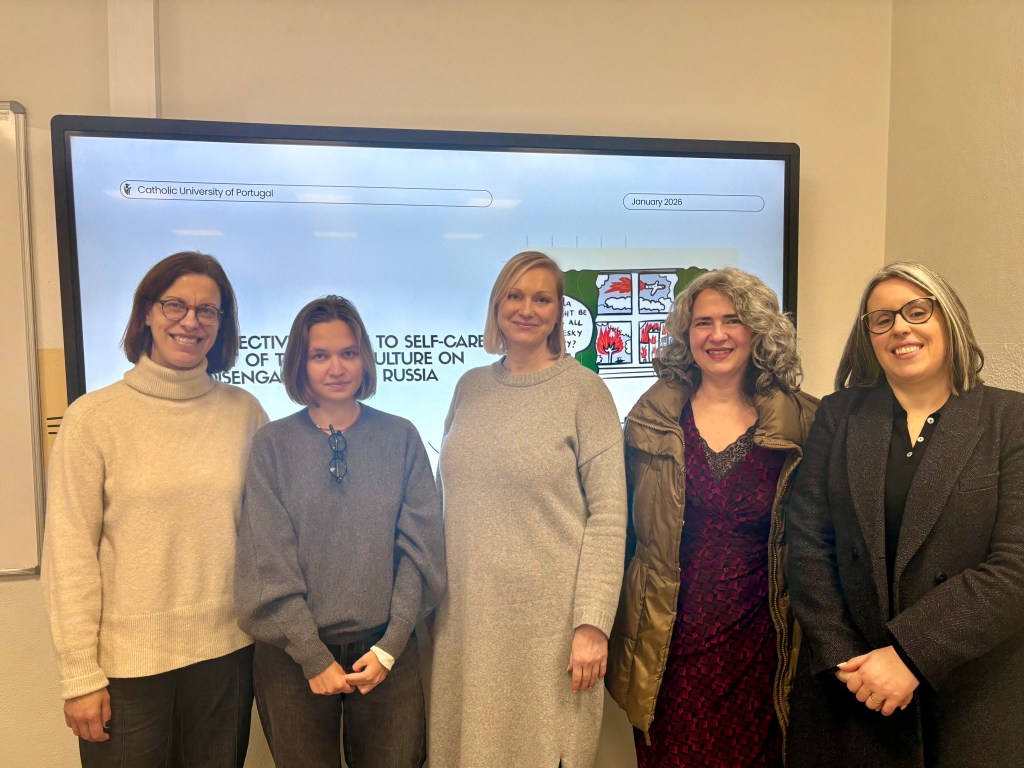
Congratulations, Milana!
Milana Teterevenkova successfully defended the MA dissertation “From Collective Action to Self-Care: The Impact of Therapy Culture on Public Disengagement in Russia” on 26 January, 2026.
-
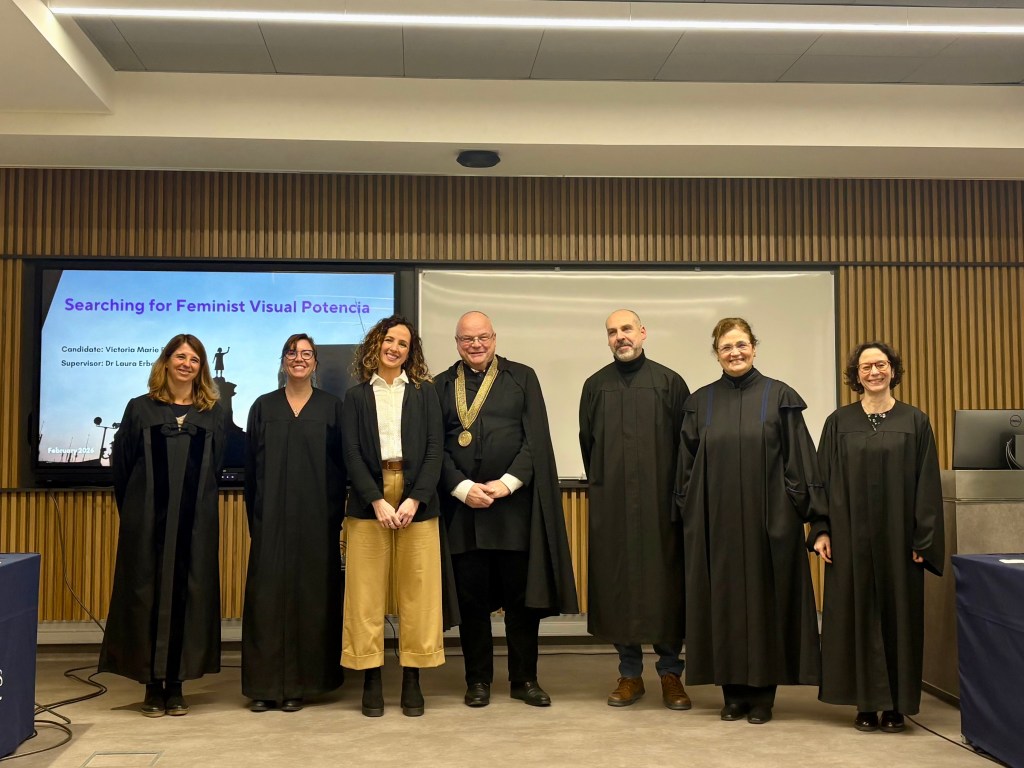
Congratulations, Victoria!
Victoria Marie Page successfully defended the PhD thesis “Searching for Feminist Visual Potencia” on 3 February 2026.
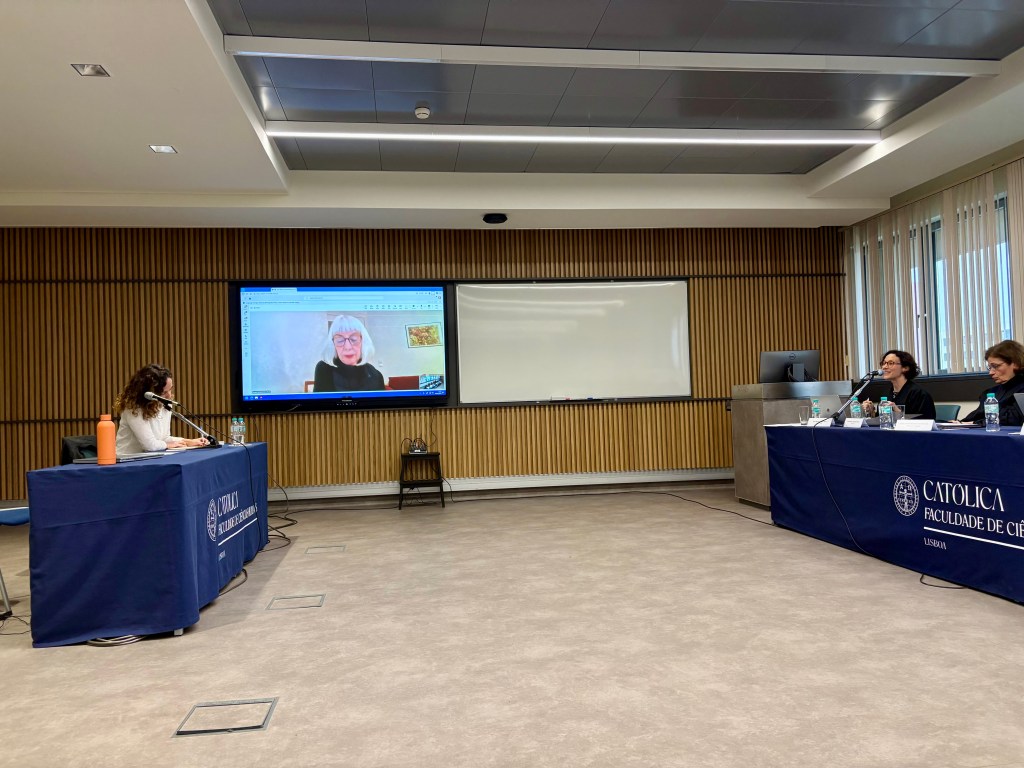
Victoria had the honor of having Prof. Angela McRobbie in the jury, participating online, along other invited established scholars, including Prof. Clara Rowland and Prof. Ricardo Campos from NOVA FCSH and our own Prof. Adriana Martins, Prof. Sophie Pinto, and the President Prof. Peter Hanenberg.
-
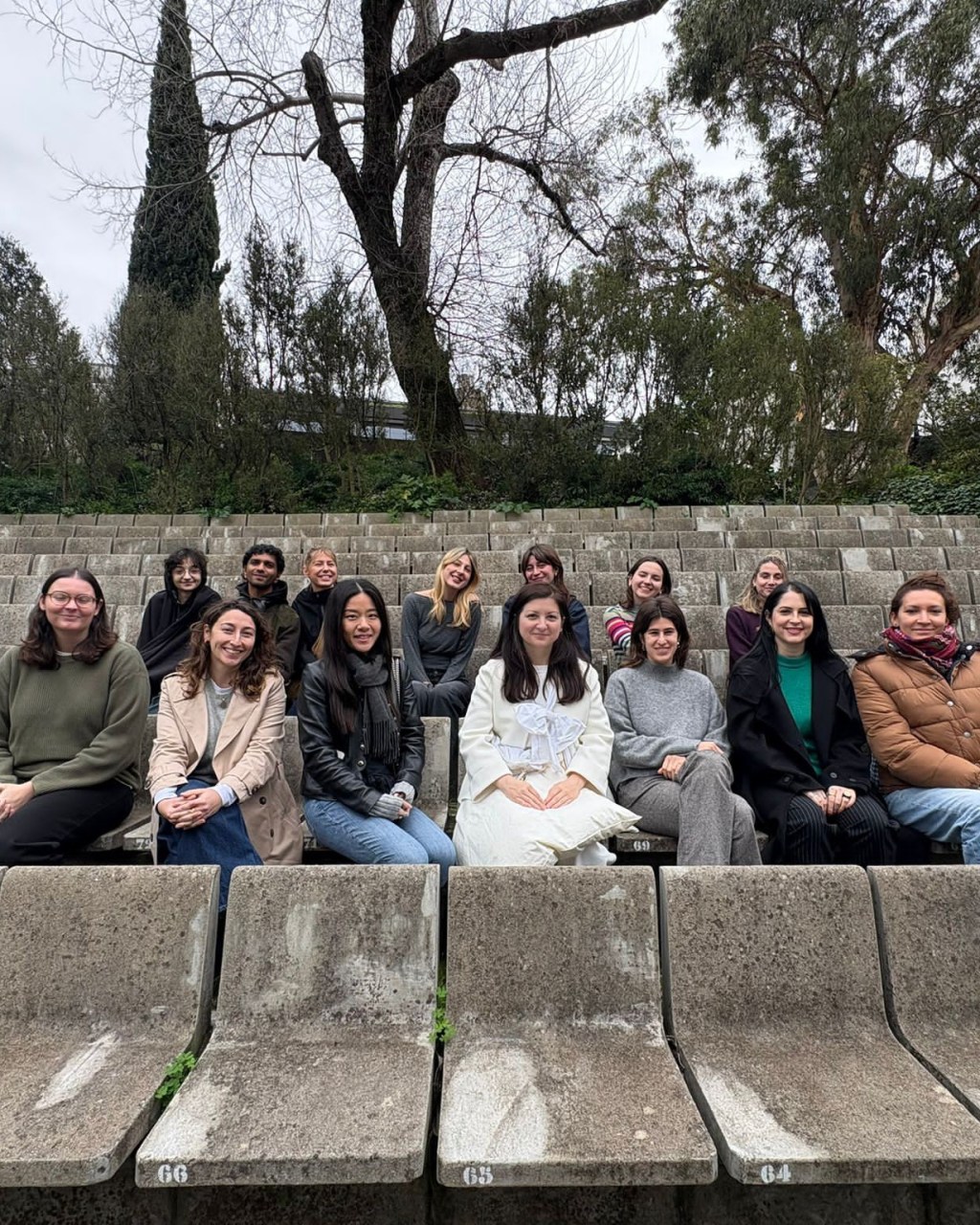
MA students curating an exhibition in collaboration with CAM
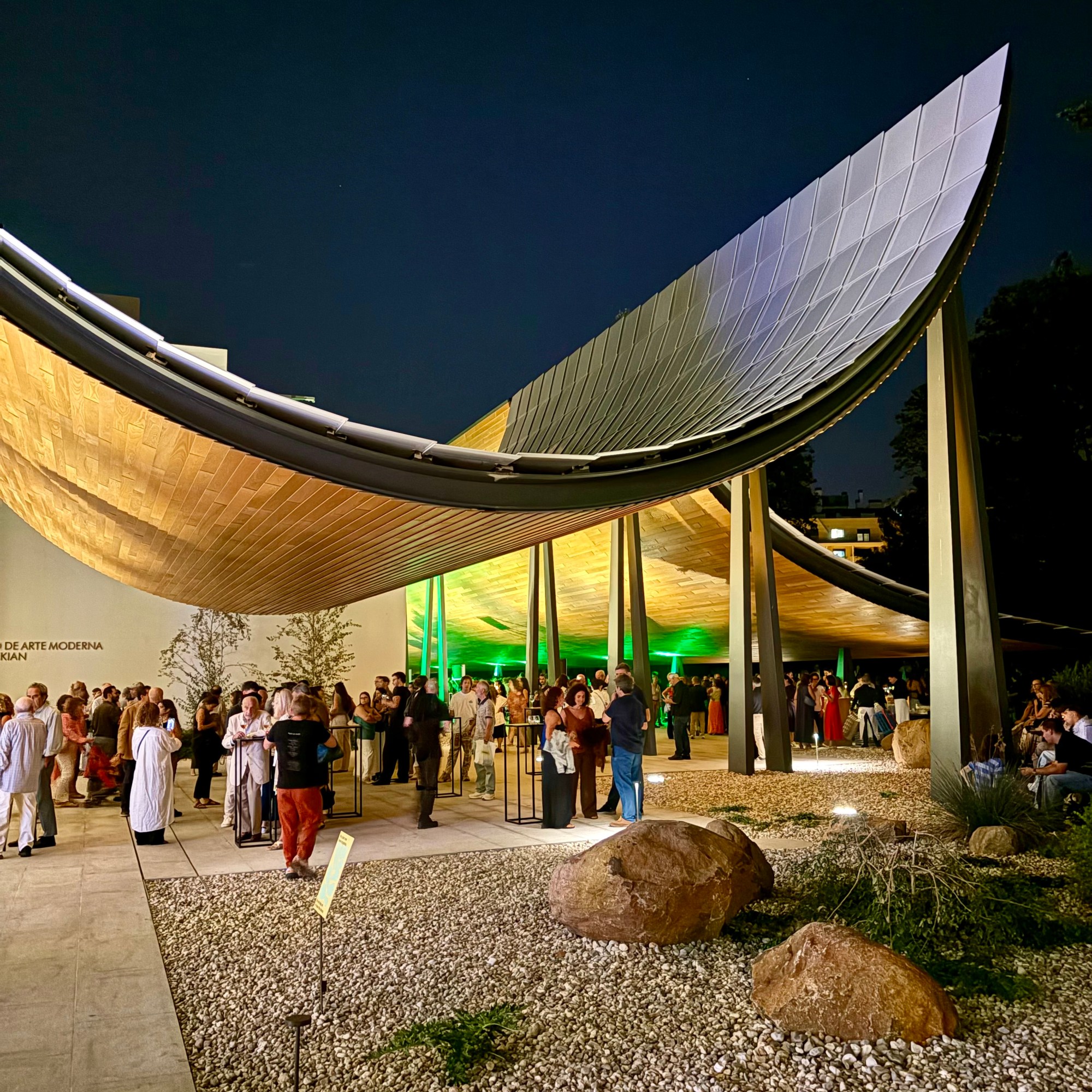
The MA students in Culture Studies of The Lisbon Consortium are curating an exhibition with the collection of CAM – Centro de Arte Moderna Gulbenkian.
The exhibition, which will be held at the Galeria Fundação Amélia de Mello, at the Lisbon campus of the Universidade Católica Portuguesa, proposes fragility not as weakness but as an active, revealing condition. Across social, personal, and perceptual dimensions, fragility exposes the tensions that form us; those that bind, unsettle, and ultimately reshape our understanding of ourselves and the worlds we inhabit.On 15 January the students visited the reading area of Institution(ing)s to discuss ideas of accessibility in innovative communication strategies with Patrícia Rosas and exhibition narratives with Rita Albergaria and Laurindo Marta.
Students: Amal Abu Nafisah, Anika Borko, Anna-Sophie Löhr, Circé Poisson, Constança Mafra, Direndra Selvanayagam, Giulia Benetti, Hajer Khade, Iana Kardanova, Imani D. Cooper, Justin Stewart Ross, Léanne Charron, Leonor Marques dos Santos Queiroz, Lucille Gerebtzoff, Margarida da Fonseca, Margarida Dias, Margarida Martins Raimundo, Melissa Lieberthal, Natalia del Río, Sarah Tober, Sarah Zammit Munro, Silvia Lomdardini, Tatiana Fraisse, Vítor Fonseca, Yoosun Choi
-

Philippe Vergne (Director, Serralves) on “The Museum as a Muse”
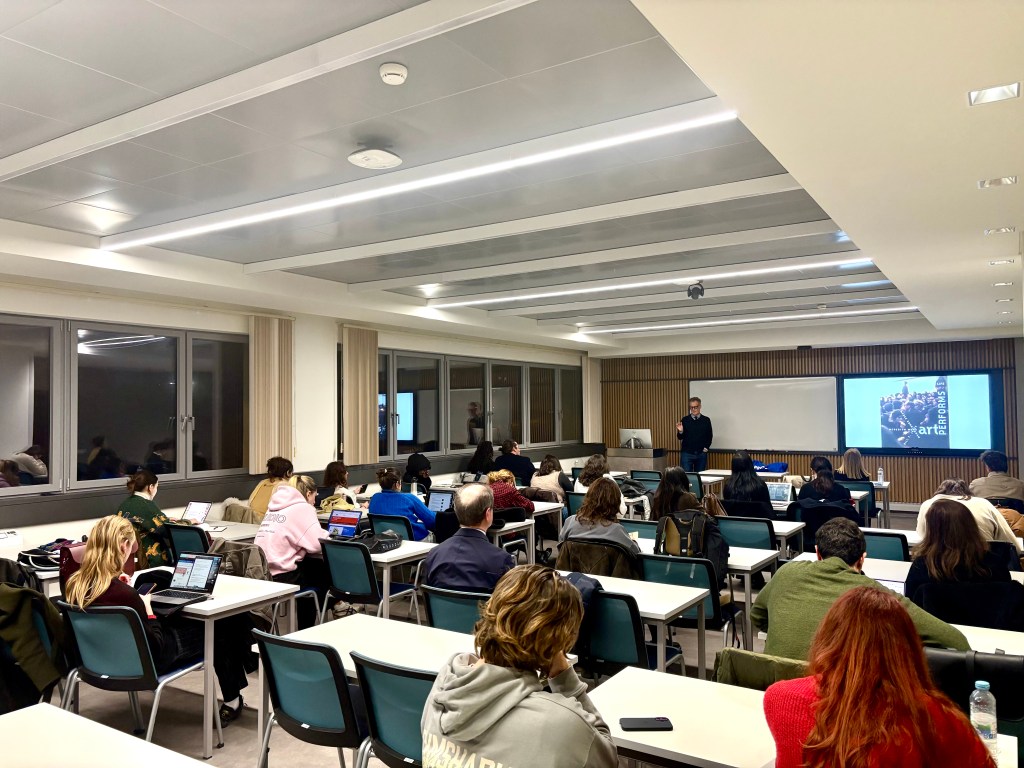
On 20 January 2026, the Lisbon Consortium welcomed Philippe Vergne, Director of the Serralves Contemporary Art Museum in Porto. The open lecture “The Museum as a Muse” was part of the seminar Arts Markets and the Practices of Collecting by Professor Maura Marvão (Phillips Auction House).
Vergne discussed the meaning of the museum by referencing a variety of art institutions and museums, exhibitions, and artworks that have marked his career. Focusing on the museum as a space for experimentation, Vergne highlighted its disruptive potentials, especially in interrogating the spaces-in-between within the histories of art.With an emphasis on acquisition, the lecture explored the responsibilities of art institutions and curators towards artists and society, including practical advice regarding tensions that may be professionally challenging yet productive.
We are honored by this exchange and look forward to the next occasion.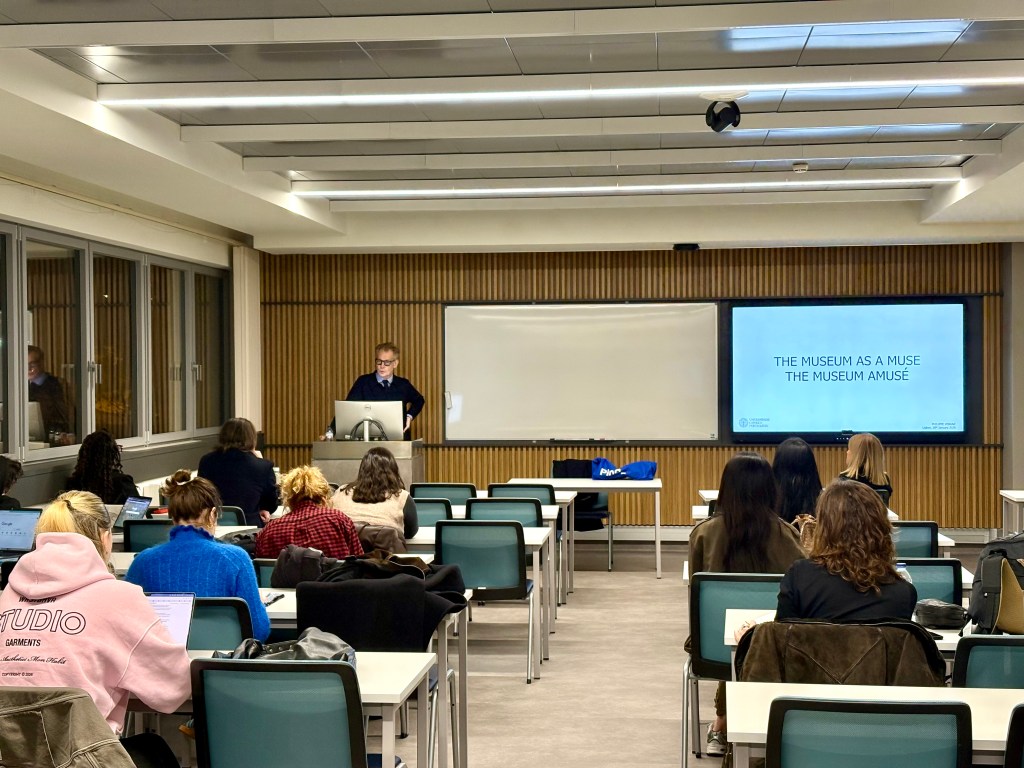
-
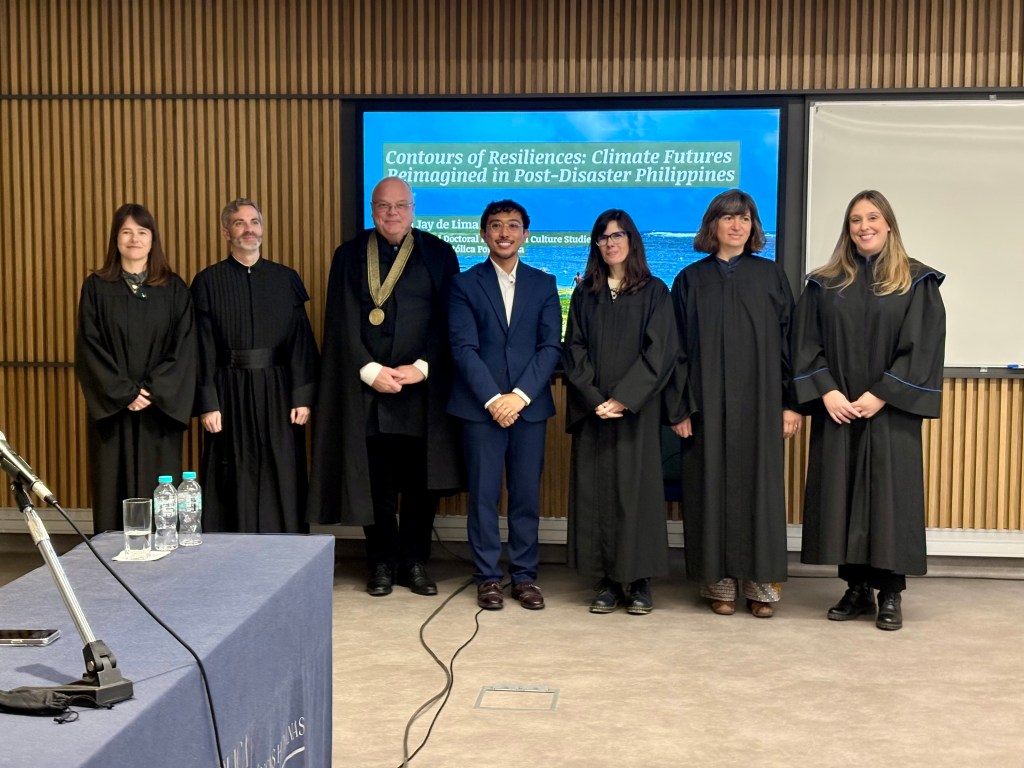
Congratulations, Brian!
Brian Jay de Lima Ambulo successfully defended the PhD thesis “Contours of Resiliences: Climate futures reimagined in post-disaster Philippines” on 12 January, 2026.
-
CfP | XVI Lisbon Summer School for the Study of Culture
The Call for Papers for the Summer School on Disobedience (June 29 – July 3, 2026) is out!
XVI Lisbon Summer School for the Study of Culture is organized in collaboration with Porto Summer School on Art & Cinema and in connection with Disobedience Archive, a curatorial project by Marco Scotini, which will present an iteration of the exhibition at the Amélia de Mello Foundation Gallery in Lisbon, with the collaboration of Ângela Ferreira.
The Summer School consists of keynote lectures, workshops, master classes, paper and poster presentations, as well as cultural programming, such as film screenings. Disobedience will be explored as an artistic practice and an idea, considering its multiple forms, dynamics, and limits. Through the focus on both macro and micro acts of refusal and dissent, as well as the visible and invisible tactics used to undermine oppressive systems or disrupt established orders, the Summer School frames disobedience as a transformative and creative act.
Invited speakers include Marco Scotini, Ângela Ferreira, Sergei Loznitsa, Ato Quayson (University of Stanford) and Markus Messling (CURE, Saarland University) – more to be confirmed.
-
Launch | Diffractions: “You are what you eat”: On food, culture(s) and identities
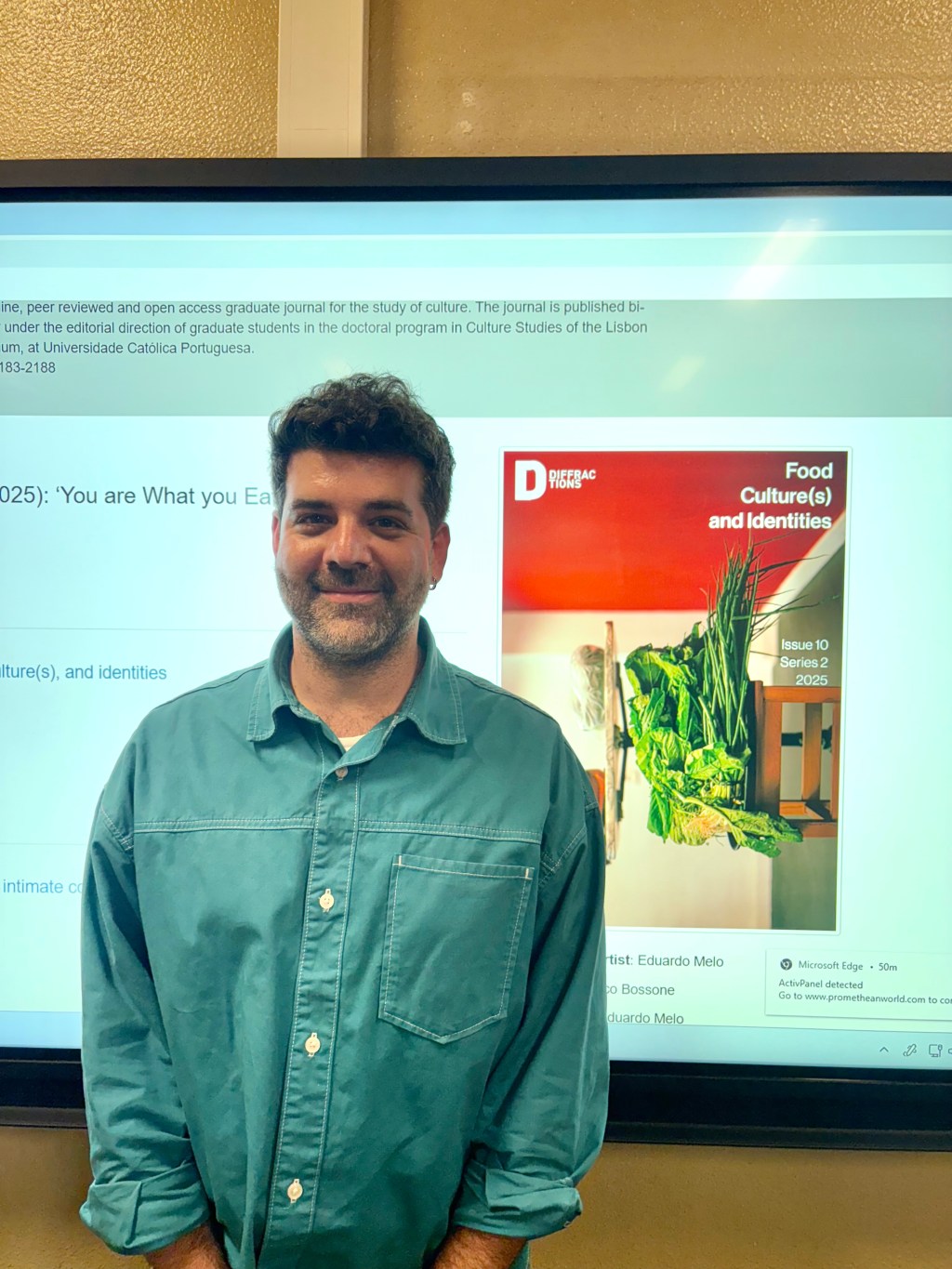
On 9 December, Federico Bossone, the Editor-in-Chief of the latest issue of Diffractions, introduced the contents of No. 10, “You are what you eat”: On food, culture(s) and identities.
This issues considers the complex relationship between food, identity and culture. As Bossone points out, “food is not a neutral or purely sensory object but a powerful cultural medium—capable of negotiating and renegotiating heritage, contesting belonging, and acting as a means for humankind to perform status and shared ideologies […]. Its value lies in being a bearer of memories and a marker of identities. Whether examined through aesthetic practice, historical transformation, migratory flows, or ideological frameworks, food culture explores the tensions between the personal and collective, the local and global, the traditional and the innovative.” (2025, 1) The issue sets a diverse intellectual table including food memories, practices, and the ethics and politics of food, through the reflection by 9 international scholars and the artwork “Patuá: Where Portugal Meets Macau” by Eduardo Melo.
We invite you to get to know the latest issue here.

-

Congratulations, Giulia!
Giulia Paglia successfully defended the MA internship report “The Role of Alternative Media in Institutional Communication for Young Audiences – Factanza media case study” on 3 December, 2025.
-

Launch | Diffractions: “”You are what you eat”: On food, culture(s), and identities
The launch of No. 10 of Diffractions: “You are what you eat”: On food, culture(s), and identity, edited by Federico Bossone (PhD in Culture Studies) takes place 9 December at 17:00 in Room 421 (Library building).
Diffractions is an online, peer-reviewed, open-access graduate journal for the study of culture. It is published bi-annually under the editorial direction of students from The Lisbon Consortium’s doctoral programme in Culture Studies with support from CECC.
https://revistas.ucp.pt/index.php/diffractions/

-

New Partnership: CCB
On 21 November, 2025, the Lisbon Consortium formalized a new partnership through a protocol with Centro Cultural de Belém Foundation (CCB).
The partnership foresees the joint development of academic and cultural initiatives, including seminars, applied projects, internships, and research opportunities.
The Director of the Lisbon Consortium and the Rector of Universidade Católica Portuguesa, Professor Isabel Capeloa Gil, considers the partnership to “strengthen the unique and globally recognized character of The Lisbon Consortium,” a “truly distinctive program” that “combines critical reflection on cultural practices with management component, without being confined to it.” For the future, the partnership will allow “to co-create seminars, develop joint projects and engage our largely international student body in experiences that connect the University with the city’s cultural sector.”
Nuno Vassallo e Silva, Chair of the Board of Directors of CCB, highlights the strategic importance of this partnership for the institution: “This collaboration comes at a particularly significant moment for CCB, as we reinforce our mission through research and professional training. Joining the Lisbon Consortium will help us enhance our documentary archive and expand new opportunities for internships, study, and academic development.”
We are eagerly looking forward to this collaboration that will enrich the experience of our students and provide an important link between the cultural sector and the Academy in Lisbon.
-

Dzifa Peters wins “Thinking Photography” prize by Deutsche Börse Photography Foundation and the German Photographic Society
We would like to congratulate Dzifa Peters for winning the Thinking Photography Award by The Deutsche Börse Photography Foundation and the German Photographic Society (Deutsche Gesellschaft für Photographie, DGPh). The Award Ceremony will take place on 14 November 2025 at Goethe-Institut Paris.
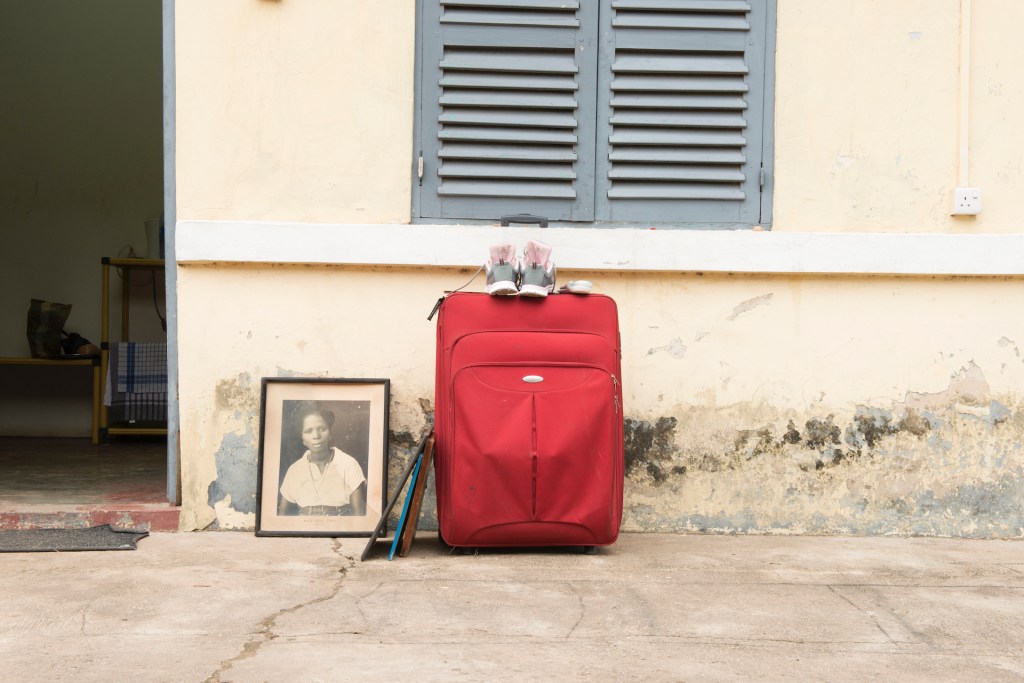
Portraits of contemporary witnesses of the independence movement in Ghana are packed for archiving. Dzifa Peters in collaboration with Josef Zky, from the project “Being a guest” (2015-present), C-print, courtesy of the artists. Dzifa Peters is a visual artist, an alumna of the Lisbon Consortium and currently a research fellow in the Integrated Human Development Scholarship program at UCP, developing her research on photography, memory and Afro-diasporic identities in the post-migration context in Portugal. The award is granted for the dissertation “Tropes of Polarity: Visual Representation and Afrodiasporic Identities” (PhD in Culture Studies). In it, Peters explores how colonial, postcolonial and Afrodiasporic identities are represented and shaped by contemporary photography. She pays particular attention to the medium’s role in preserving memory, determining belonging and communicating different cultural perspectives and identities.
The research award “Thinking Photography” is endowed with €3,000 and honours publications from the field of photographic theory and history that expand the topic area with important approaches from the humanities, cultural studies and social sciences.
The jury explained its selection as follows: “With this inspiring study, Dzifa Peters presents an academically outstanding work that addresses a current issue. In it, she uses different photographic positions and art-based research to explore changes in cultural identity through photography, focusing specifically on the context of West Africa and its diaspora in Europe. In doing so, she not only makes an important contribution to photographic research, but also provides a linguistically accentuated, differentiated and extremely well-founded text. We were particularly impressed by the skillful inclusion of her own artistic practice.”
More information: Deutsche Börse Photography Foundation and German Photographic Society award prizes for academic writing on photography
Congratulations, Dzifa!“It is a true honour to receive the “Thinking Photography” prize in recognition of my doctoral thesis, Tropes of Polarity: Visual Representation and Afrodiasporic Identities. I am deeply grateful to the Deutsche Börse Photography Foundation and the German Photographic Society (DGPh) for this recognition. My heartfelt thanks go to my supervisor, Professor Isabel Capeloa Gil, and my co-supervisor, Apl. Professor Dr. Michael Basseler, whose thoughtful guidance and unwavering intellectual support have shaped this research in profound ways. I am also thankful to the members of the examining committee for their generous engagement and invaluable feedback. Above all, I owe a great debt to the artists and scholars whose ideas and creative work have inspired and informed this project from the very beginning.
The Deutsche Börse Photography Foundation and the German Photographic Society (DGPh) will jointly present the “Thinking Photography” prize and the “Writing Photography” prize during an award ceremony on 14 November 2025 at the Goethe- Institut in Paris. On this occasion, I will have the pleasure of discussing my research in conversation with Lucia Halder, Curator and Head of the Photography Collection at the Rautenstrauch-Joest Museum in Cologne.” (Dzifa Peters)
-

Art and Diplomacy seminar lectured by Randi Charno Levine
The Lisbon Consortium offers a seminar on Arts and Diplomacy by Prof. Randi Charno Levine, Honorary Professor in Art and Diplomacy. The Opening session of the seminar is on 7 October, 17:00-18:30, Sala de Exposições (Library building).
The Art and Diplomacy seminar consists of 7 sessions, including interactive discussions and international guest speakers.
Randi Charno Levine is an arts advocate and a diplomat who served as the United States Ambassador to Portugal from 2022 to 2025 with a deep commitment to cultural diplomacy. In the opening session of the Art and Diplomacy seminar, Levine will discuss the meaning of cultural diplomacy through a series of initiatives that took place during her ambassadorship, such as the exhibition Celebrating Diversity – Democracy and Representation in the Arts at the Ambassador’s residence as part of the “Art in Embassies” program, as well as Hip Hop Diplomacy with Portuguese rapper Sam the Kid, Culinary Diplomacy with American Chef Art Smith, and L’USAfonia, a music event that celebrated the Black History Month in Portugal.
Beyond her diplomatic service, Levine has held leadership and advisory roles with a range of prominent institutions, including the Barbara and Edward Netter Center for Community Partnerships, the Hamptons International Film Festival, Roundabout Theatre Company, NYU Langone Health, the High Line, the National Portrait Gallery, and the Meridian International Center, among others.
Opening session:
Art and Diplomacy: Setting the Framework
07.10.2025 Tuesday 17:00 – 18:30 (Sala de Exposições)
Next sessions:
16.10.2025 Thursday 17:00 – 18:30
09.03.2026 Monday 17:00 – 18:30
10.03.2026 Tuesday 17:00 – 18:30
11.03.2026 Wednesday 17:00 – 18:30
12.03.2026 Thursday 17:00 – 18:30
13.03.2026 Friday 17:00 – 18:30
Participants are encouraged to attend all sessions of the seminar, but it is also possible to attend individual sessions.
-
CfP | Diffractions: Speak at Your Own Risk: The Many Faces of (Self-)Censorship
The Call for Papers for issue 12 of Diffractions is out!
CALL FOR PAPERS
Speak at Your Own Risk: The Many Faces of (Self-)Censorship
Editors-in-chief: Inês Fernandes and Teresa Weinholtz
Deadline for abstracts: November 15, 2025
“In a society like ours, the procedures of exclusion are well known. […] We know quite well that we do not have the right to say everything” (Foucault 1980, 52). Often regarded as an instrument of repression of ideas and information (American Library Association 2021), censorship “refers to the control by public authorities (usually the Church or the State) of any form of publication or broadcast, usually through a mechanism for scrutinising all material prior to publication” (McQuail and Deuze 2020, 589). Most commonly associated with control that is visible and imposed by the State, censorship can be regarded “as a subject of history, which means that it has to be considered not only in its formal dimension, as an apparatus of State control and repression, but also as a social agent that permanently and complexly shapes the relationship between individuals and institutions” (Barros 2022, 17). Either through literature, with the act of burning books in Bradbury’s Fahrenheit 451 ([1953] 2018) and the control of thought in Orwell’s Nineteen Eighty-Four ([1949] 2023), or the morality or political restrictions in cinema (Biltereyst and Winkel 2013), or even contemporary China with the firewall that controls internet access (Stanford University n.d.; Gosztonyi 2023), censorship has gathered a broader definition beyond that of State control.
The study of censorship should not be limited to dictatorships or historically oppressive political regimes, as it can also be found as an institutionalised social force, based on the concept of “public morality” (Mathiesen 2008, 577), in cultural institutions, digital platforms, and academic environments. In its more formal configuration, censorship can be a tool of repression and strict prohibition. In its informal and more personal perspective, it can be viewed as socially imposed censorship and/or self-censorship, thereby expanding its definition “to the productive force that creates new forms of discourse, new forms of communication, and new models of communication” (Bunn 2015, 26). As Judith Butler (2021) argues, censorship precedes speech, as it determines in advance what type of speech is or is not acceptable. Similarly, Bourdieu (1991) describes how censorship affects language, as what we are authorised to say becomes internalised. Censorship, in this light, is not only a legal or institutional force, but can also become a social imposition. This issue thus seeks to explore the many forms of censorship, self-censorship, and everything in between; past and present, imposed and chosen, visible and hidden.
Recent events have shed light into an ongoing reality of censorship that contributes to the urgency of these discussions. Most recently, in the United States, governmental restrictions on words such as “women,” “diversity,” and “disability” in academic grant applications and school curricula (Yourish et al. 2025) reveal the close relationship between language and ideological control through State censorship. In Germany, artists and curators have been fired or publicly blacklisted for expressing solidarity with Palestine on their personal social media (Solomon 2023), demonstrating that speech can be punished even within liberal democracies when it contradicts socially established narratives, creating environments of fear through instances of social censorship. On social media platforms like TikTok, users increasingly engage in linguistic innovation. With phrases like “unalive” instead of “kill,” they intentionally alter or misspell specific trigger words to avoid algorithmic suppression, or shadowbanning (Calhoun and Fawcett 2023). This form of self-censorship is strategic and creative, but also reveals the pressures users face to remain visible in social media spaces that are moderated by strict automated systems.
This issue invites contributions that critically examine how all forms of censorship and self-censorship operate today, as well as how they have operated historically. We invite interventions from different contemporary, historical, and geopolitical perspectives, and interdisciplinary approaches from all fields in the humanities. Besides proposals for academic papers on the topic of this issue, we also welcome proposals in the form of interviews, book reviews, essays, artistic contributions, as well as non-thematic articles. Suggested topics include, but are not limited to the following:
- Historical and contemporary (self-)censorship
- Censorship and political regimes
- Self-censorship as personal, professional, and intellectual preservation
- Censorship and self-censorship…
- in media ecosystems
- in film and cinema
- in art, performance, and curatorship
- in image and photography
- in language, literature, and translation
- in knowledge and academia
- in artificial intelligence
- in memory: preservation and/or erasure
- in children’s media and literature
- in social media, online content and behaviour
- and cancel culture
- …
For artistic submissions, we are interested in proposals that engage in form or content with the theme of censorship and/or self-censorship, such as:
- Visual essays
- Graphic or visual storytelling
- Collaborations between text-based and image-based artists
- Poetry and visual poetry
- …
Submissions and review process
Abstracts will be received and reviewed by the Diffractions editorial board who will decide on the pertinence of proposals for the upcoming issue. After submission, we will get in touch with the authors of accepted abstracts in order to invite them to submit a full article. However, this does not imply that these papers will be automatically published. Rather, they will go through a peer-review process that will determine whether papers are publishable with minor or major changes, or they do not fulfil the criteria for publication.
Please send abstracts of 150 to 250 words, and 5–8 keywords by NOVEMBER 15, 2025, to info.diffractions@gmail.com with the subject “Diffractions 12”, followed by your last name.
The full papers should be submitted by MARCH 15, 2026, through the journal’s platform: https://revistas.ucp.pt/index.php/diffractions/about/submissions.
Every issue of Diffractions has a thematic focus but also contains special sections for non-thematic articles. If you are interested in submitting an article that is not related to the topic of this particular issue, please consult the general guidelines available on the Diffractions website at https://revistas.ucp.pt/index.php/diffractions/about/submissions. The submission and review process for non-thematic articles is the same as for the general thematic issue. All research areas of the humanities are welcome, and we accept contributions in English or Portuguese.
You can find the full CfP here.
-

Francisco Trêpa: “Gall Ball” @ CAM curated by MA students of LXC
Francisco Trêpa’s (Lisbon, 1995) ‘Gall Ball’ that is in exhibition in Engawa Space at CAM – Centro de Arte Moderna Gulbenkian is curated by students from the Curatorial Practices seminar in the MA program of Culture Studies, under the supervision of Prof. Luísa Santos and resulting from a protocol with CAM and UCP. The exhibition and the related programming serve as a prologue to Institution(ing)s – Co-Creating Inclusive and Sustainable European Art Institutions, a European Cooperation Project that encourages contemporary art and cultural organizations to co-create innovative institutional models that, through experimentation, co-creation, speculation, and advocacy of sustainable futures, contribute to social inclusion, environmental, economic, and artistic transformation.
Francisco Trêpa’s artistic practice explores the interconnections between life forms, metamorphosis, and hybridism. Gall Ball is inspired by the observation of galls found in CAM’s Garden, where the artist first encountered these biological reactions resulting from interactions between plants (such as oaks) and external agents (such as wasps). The effect is a swelling growth on the outside of the plant, providing nutrition and shelter to induce insects.
Trêpa’s fascination stems from the way galls dissolve the tension between interior and exterior, host and parasite, autonomy and symbiosis. Far from being mere defensive reactions, they represent spaces of transformation and biological empathy – microcosms in which the plant, without apparent direct benefit, hosts the presence of the other. In this gesture of natural hospitality, the artist sees a possible inversion of survivalist logic, pointing instead to cooperation as a vital force in life-affected relationships.
The ‘ball’ in the title points to a general rehearsal performed by Trêpa’s constellation of ceramic sculptures. The gallery is understood as an extension of the studio, with a space dedicated to production where the artist will be creating and finishing works. The process of physical and chemical transformation through which clay gives way to ceramics is made visible in the sculptures presented at different stages of the process: raw, unglazed, uncoloured, and finished. Over the course of the exhibition, these forms reveal distinct moments of this crystallization, thus manifesting a body in continuous transmutation until it reaches its irreversible condition.
‘Gall Ball’ includes an associated programme that includes visits, workshops, and other activities.
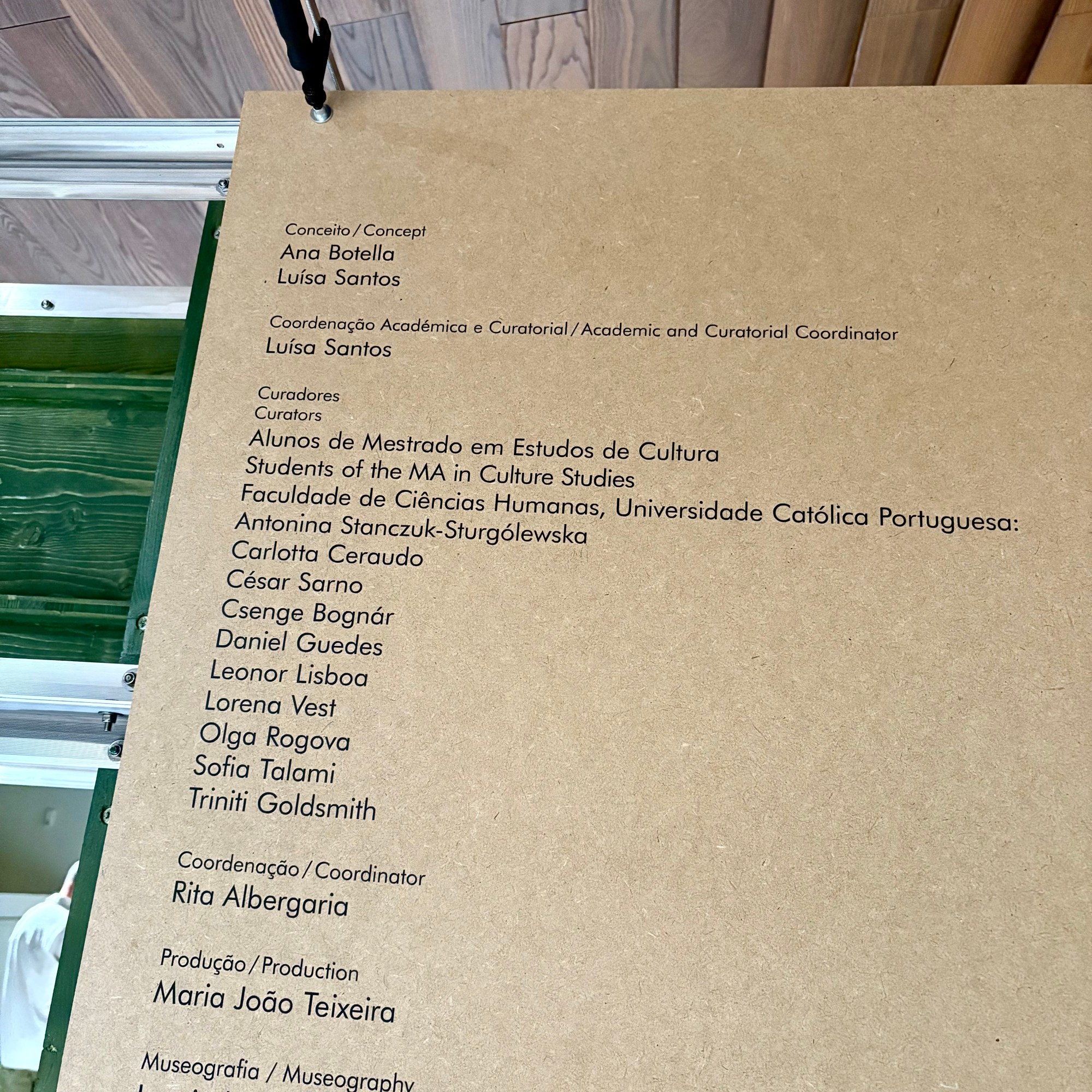
Artistic direction
Luísa Santos
Curators and authors of the texts
César Sarno
Daniel Guedes
Lorena Vest
Olga Rogova
Triniti GoldsmithCurators for the public programme
Leonor Lisboa
Carlotta Ceraudo
Csenge Bognár
Sofia Talami
Antonina Stanczuk-Sturgólewska(source: CAM, institution(ing)s)




10:00 – 18:00
Sat, 10:00 – 21:00
Closed on Tuesday
Free admission (subject to ticket collection on the same day)
20 Sep 2025 – 12 Jan 2026
-

Congratulations, Amadea!
Amadea Kovič successfully defended the PhD thesis ”Visualizing gender through contemporary art: The cases of Portugal and Slovenia” on 16 September, 2025.
-

Inaugural Lecture 2025-2026 with Prof. Gabriele Brandstetter

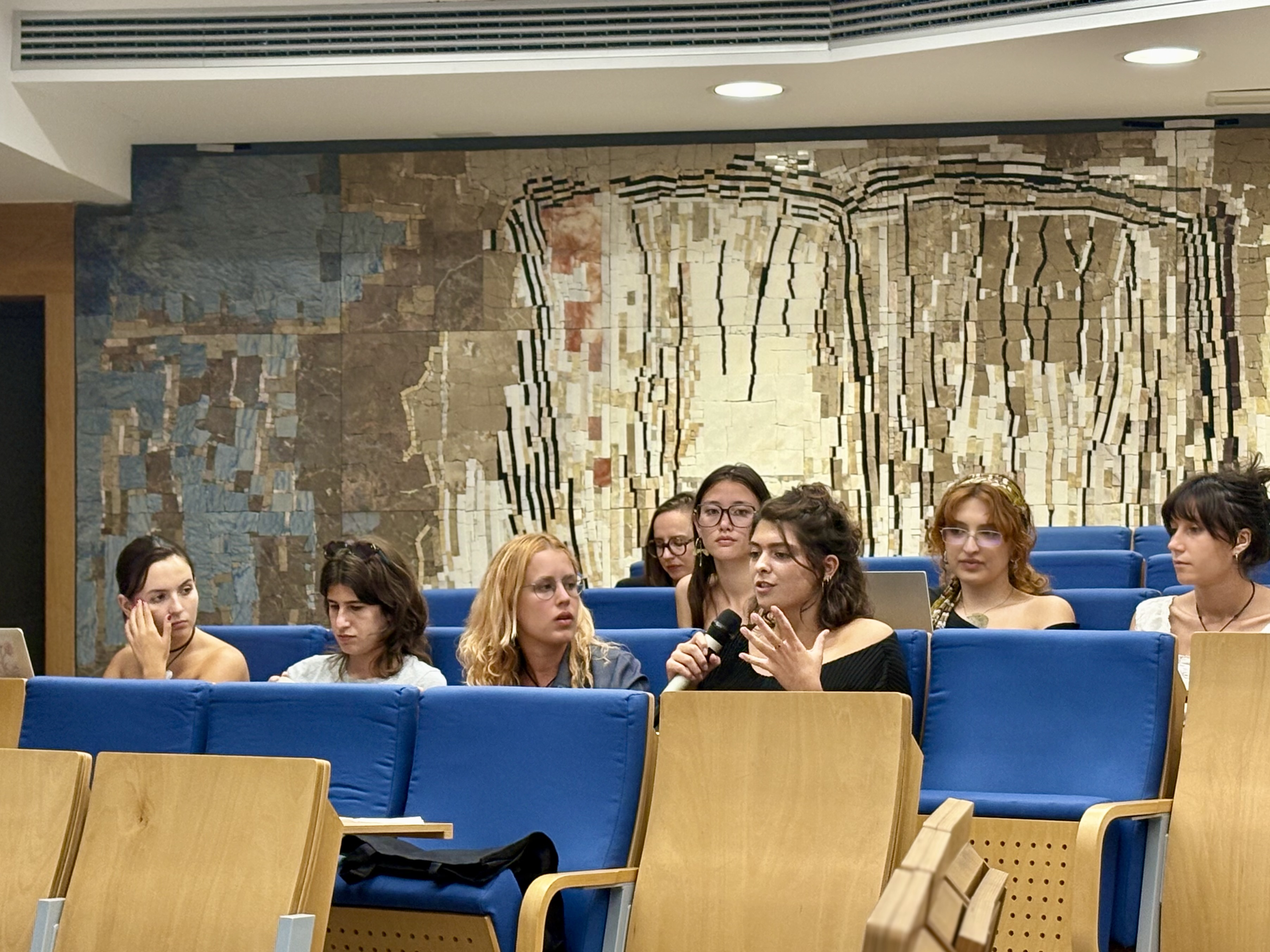


The Inaugural Lecture 2025-2026 was given by Prof. Gabriele Brandstetter, a pioneer in Dance Studies from Freie Universität Berlin about ”Wicked Witches: Queer-feminist approaches in contemporary Butoh-Dance.” We thank CECC for the collaboration, as well as everyone present!
-
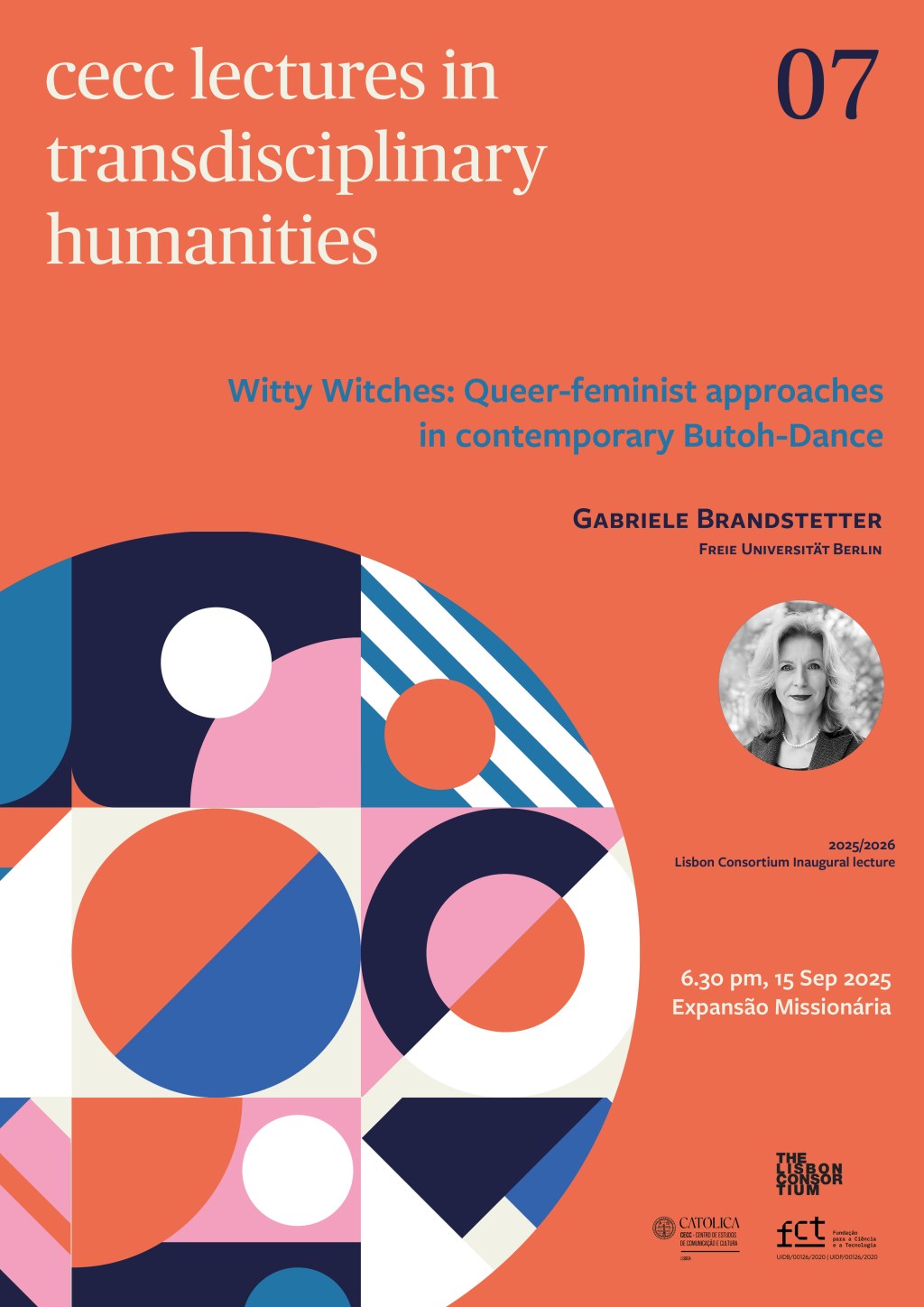
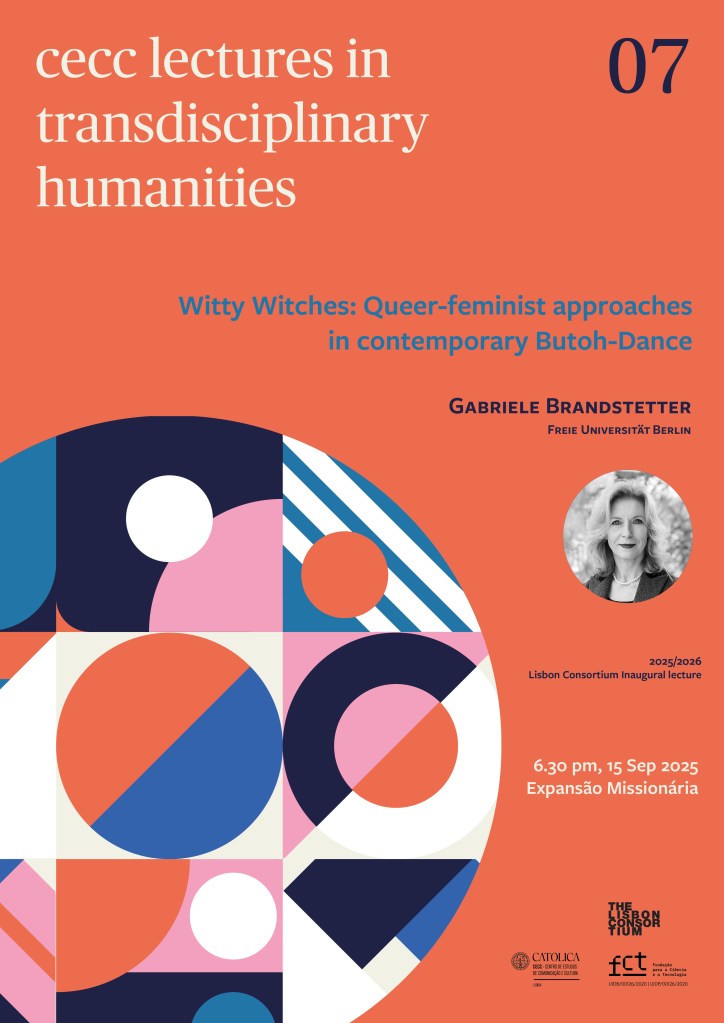
Inaugural lecture 2025-2026 15 September, 2025, 18:30
The Inaugural Lecture 2025-2026 of the Lisbon Consortium, organized in collaboration with CECC (Research Centre for Communication and Culture), will take place on 15 September 18:30 in room 131 (Faculty building).
Gabriele Brandstetter
(Freie Universität Berlin)
Witty Witches:
Queer-feminist approaches in contemporary Butoh-Dance15 September 18:30 (Room: Exp. Missionária, Library building)
Prof. Gabriele Brandstetter is Professor of Theatre and Dance Studies at Freie Universität Berlin and since 2008 co-director of the International Research Centre “Interweaving Performance Cultures.” Her research focus is on the history and aesthetics of dance from the 18th century until today, theatre and dance of the avant-garde; contemporary theatre and dance, performance, theatricality and gender differences; concepts of body, movement and image.
The lecture will be informed by Marlene Monteiro’s NÔT that is in exhibition in Culturgest next week. (More information: https://www.culturgest.pt/en/whats-on/marlene-monteiro-freitas-not/)
 The Lisbon Consortium