
Maria Valentina Vallejo Castro successfully defended the MA thesis “Counterhegemonic Collectivities in the Arts: Reimagining Cultural Production Through Mingas De la Imagen” on May 21, 2025.
Blog
-

Congratulations, Nazaré!
Maria de Nazaré Valente de Sousa successfully defended the PhD thesis “Música, Identidade Cultural e Globalização: A Construção de uma Identidade Portuguesa na Música dos Deolinda” on May 20, 2025.
-

BoCA – The crossing is possible, May 26 17-18h30
The Lisbon Consortium and BoCA – the Biennial of Contemporary Arts invite you to a talk about the newly launched book, marking the project’s tenth anniversary.
The book BoCA – Biennial of Contemporary Arts. The crossing is possible marks the culmination of a ten-year cycle of activity, offering a reflection on multi-, inter-and transdisciplinary artistic practices. Featuring a foreword by Tiago Rodrigues, the publication brings together commissioned texts by Claudia Galhós, Cláudia Madeira, Raquel Lima, Gonçalo M. Tavares, Gaya de Medeiros, Odete, Delfim Sardo, and Sara Franqueira, alongside a collaborative multi-voice interview, documentation of creative processes, artist interviews, and a series of original visual works commissioned from Gus Van Sant, Agnieszka Polska, Romeo Castellucci, and Tânia Carvalho.
BoCA is a nonprofit organization founded in 2015 and based in Lisbon. Dedicated to transdisciplinarity, it fosters a dynamic cultural ecosystem by creating synergies between cities (beginning in Lisbon and expanding to other Portuguese and international locations), cultural spaces (theaters, museums, cultural centers), and natural environments. Its work bridges diverse artistic fields, including performing arts, visual arts, music, and cinema, while engaging with their respective audiences.
Guest speaker: Claudia Galhós
Claudia Galhós is a journalist, writer and researcher covering performing arts for Expresso since 2005. Previously, she edited RTP2’s Artes de Palco (2004–2006) and the cultural weekly AGORA. Since 1994, she has contributed to newspapers, magazines, radio, and digital platforms in Portugal and internationally. Her editorial work includes There Is Nothing Beyond Your Imagination (2015), part of the EU network Imagine 2020 – Art and Climate Change, and Colher para Semear (2021), chronicling 25 years of GDA Foundation. She has documented festivals, residencies, and artistic experiments, and in 2022, won the 7th Literary Residency Prize in Berlin (awarded by the Portuguese Embassy in Germany/Camões Berlin).
The event takes place on May 26 at 17:00-18:30 in Room 131.
We are looking forward to seeing you there!
-

I Ate the Civilization and It Poisoned Me – Galeria Amélia de Mello, UCP, May 19- July 11, 2025
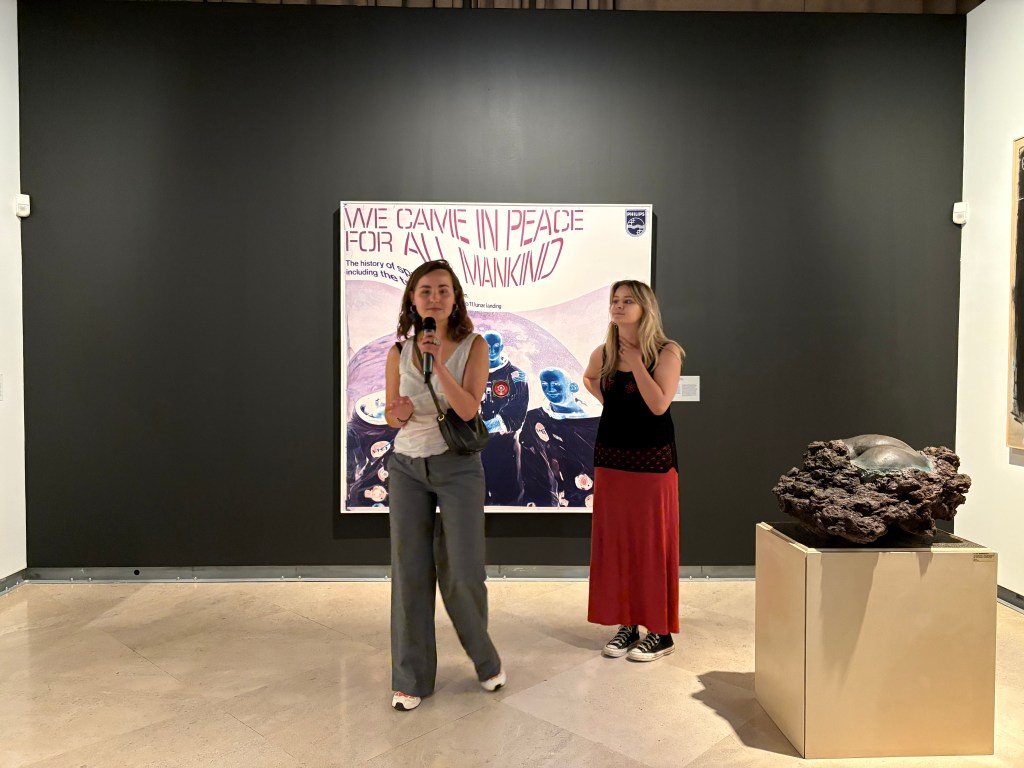
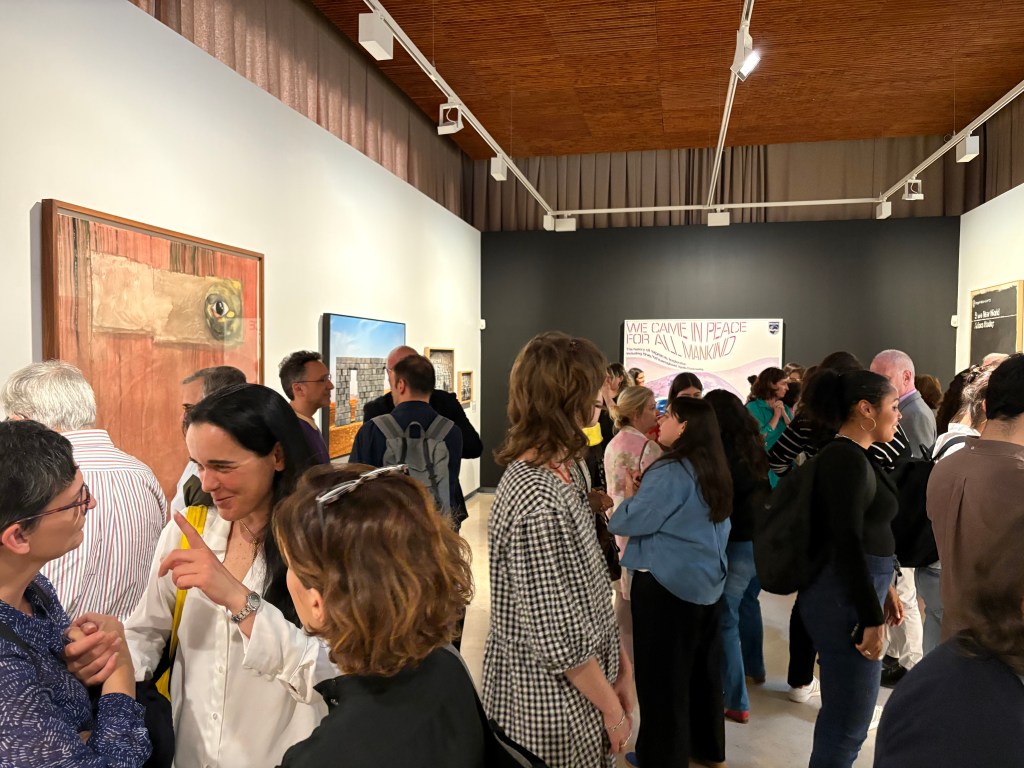
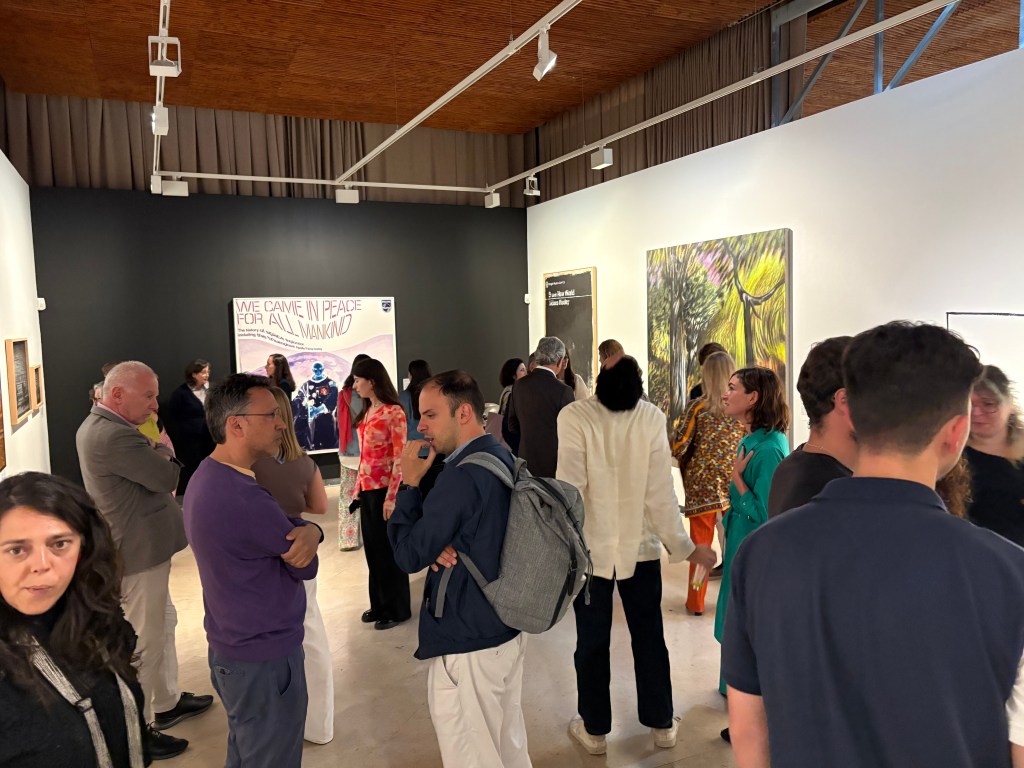
The exhibition I Ate the Civilization and It Poisoned Me, curated by the MA students in Culture Studies under the supervision of Prof. Luísa Santos is ongoing in Galeria Amélia de Mello, UCP (Library building at campus in Palma de Cima).
The exhibition is organized under the collaboration protocol between CAM – Centro de Arte Moderna Gulbenkian and The Lisbon Consortium.
‘I Ate Civilization and It Poisoned Me’ presents an introspective and collective exploration of human markings on the landscape through time, and how in turn, the environment imprints itself back on us.
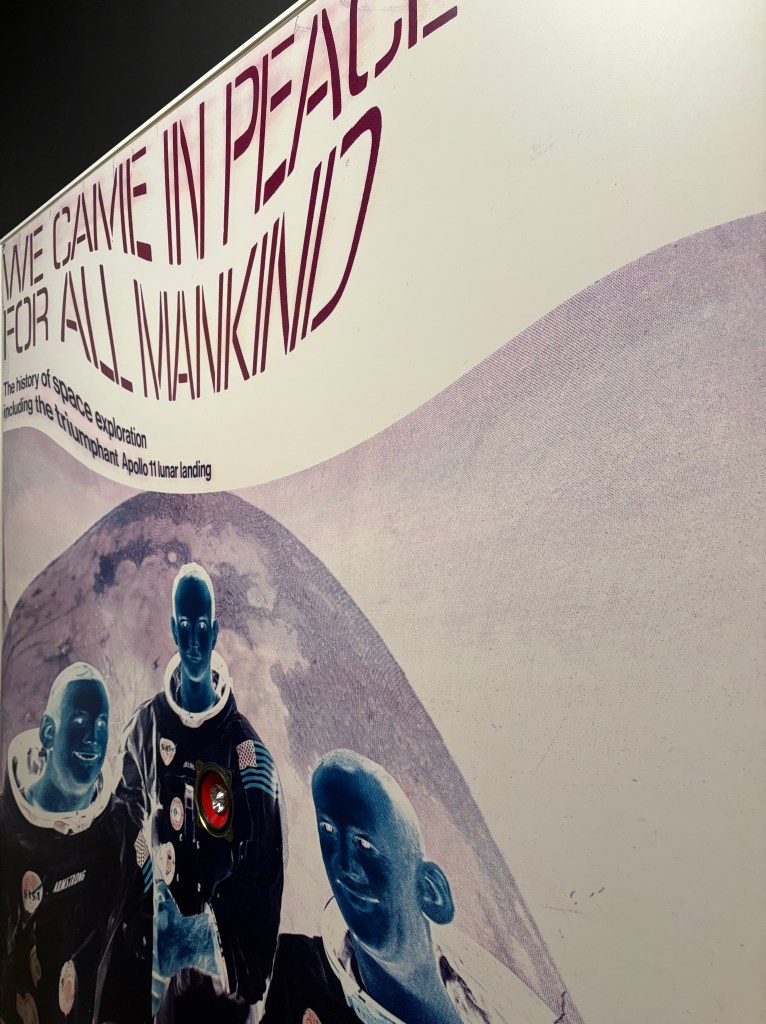
Bringing together thirteen works from the Collection of CAM, ‘I Ate Civilization and It Poisoned Me’ offers a meditative reflection on the ever-evolving relationship between Nature and humans across past, present, and future. Presenting artists from different geographical and temporal locales, this exhibition weaves narratives that evoke our enduring dialogue with the natural world. The displayed works are situated along a spectrum of interconnected ideas: coevolution and coexistence (between the environment, humans, and technology); memory and fragmentation (of spaces, places, and landscapes); fragility (of memories, heritages, times, and humans’ relationships with Nature); alongside transformation and renewal (of natural, human, and emotional processes).
The opening of the exhibition was held in the presence of the Rector of the University and the Director of the Lisbon Consortium, Prof. Isabel Capeloa Gil; Executive Trustee of the Gulbenkian Foundation, Guilherme d’Oliveira Martins; and the Director of CAM – Centro de Arte Moderna Gulbenkian, Benjamin Weil.
Artists: Ana Jotta, Carlos Bunga, Carlos Roque, Cecília Costa, Clara Menéres, Hugo Canoilas, João Louro, Jorge Queiroz, Kiluanji Kia Henda, Maria Capelo, Mónica de Miranda, Sara Bichão and Sara Sadik.
Curators: Csenge Bognár, Camilla Calamai, Carlotta Ceraudo, Elsa Damas, Marie Fassbender, Gaete Ganay, Triniti Goldsmith, Daniel Guedes, Colombe Lecoq-Vallon, Leonor Lisboa, Suzanne Marivoet, Mohamed Nejib Mokaddem, Giulia Paglia, Olga Rogova, César Sarno, Caroline Skäringer, Antonina Stanczuk-Sturgólewska, Elena Suppes, Sofia Talami, Mirian Vanda, Radina Velcheva, Lorena Vest e Anna Zörner.
Exhibition design: Anna Zörner, Camilla Calamai, Marie Fassbender, Mirian Vanda, Radina Velcheva
Coordinator: Luísa Santos
I Ate the Civilization and It Poisoned Me – Galeria Amélia de Mello, UCP (Palma de Cima, 1649-023 Lisbon), May 19- July 11, 2025.
-
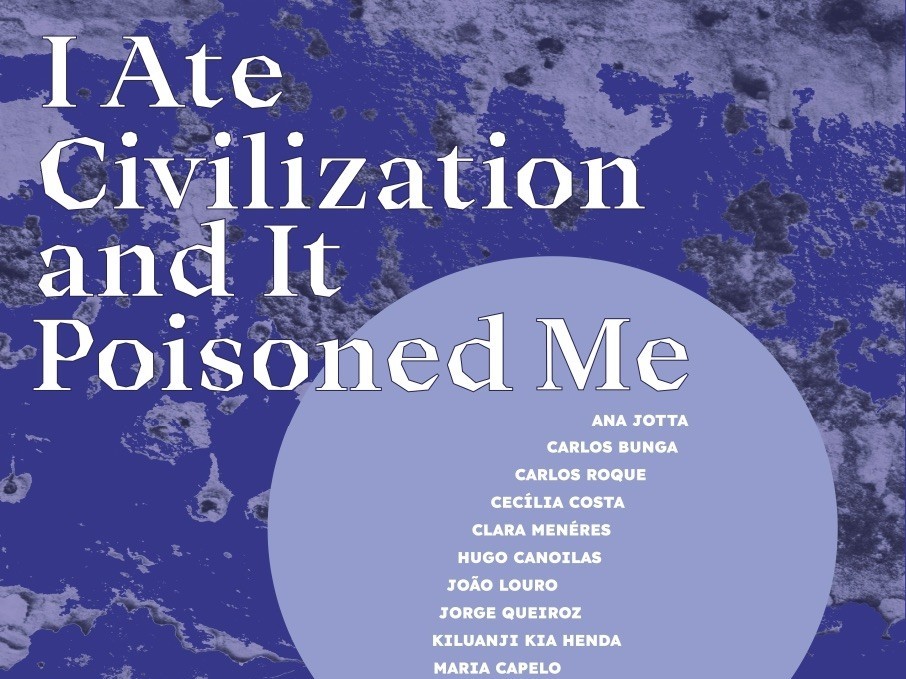
Opening |I Ate the Civilization and It Poisoned Me – May 19, 18:00
The exhibition I Ate the Civilization and It Poisoned Me, curated by the MA students in Culture Studies, will open on May 19 at 18:00 in Galeria Fundação Amélia de Mello, UCP.
The exhibition is organized under the collaboration protocol between CAM – Centro de Arte Moderna Gulbenkian and The Lisbon Consortium.
We look forward to seeing you all there!

-
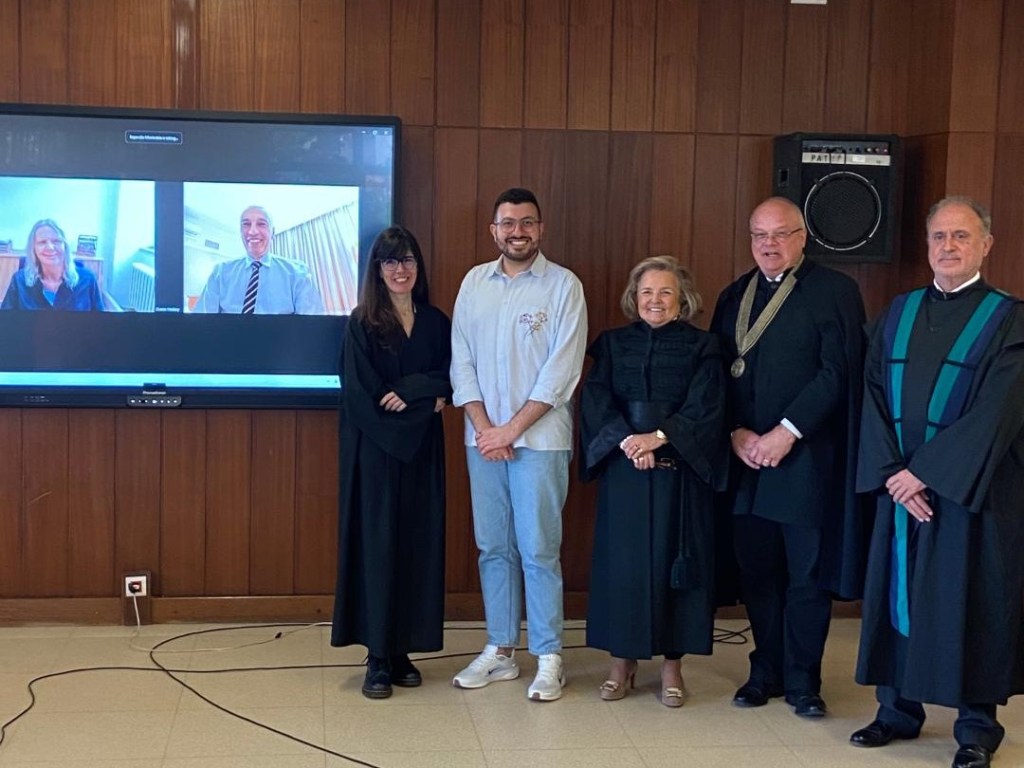
Congratulations, Jad!
Jad Khairallah successfully defended the PhD thesis “Dialogue on Shock and Culture: The Queer Case of Beirut” on May 7, 2025.
-

CECC receives qualification as Excellent in FCT assessment
The Research Centre for Communication and Culture (CECC), a research unit at the Faculty of Human Sciences, Universidade Católica Portuguesa, has been awarded the classification of ‘Excellent’ in the most recent assessment by the Fundação para a Ciência e a Tecnologia.
This outcome reaffirms the relevance, quality and originality of the knowledge produced at CECC, as well as the impact of the transdisciplinary training and research it develops inside and outside the academic community.
The renewed award of the classification of Excellent, which places CECC as one of the research centres awarded the top classification in the field of Literary Studies and the one to be allocated the highest budget, is yet another acknowledgement of CECC’s centrality, at a national and international level, in research in the Humanities.
Source: https://cecc.fch.lisboa.ucp.pt/en/news/cecc-obtem-classificacao-de-excelente-pela-fct
-

Book Club meeting at Good Company bookstore on May 6. 16-18h
The next meeting of the Lisbon Consortium Book Club will be held at Good Company Bookstore (Av. Visconde de Valmor 2) on May 6, 16:00-18:00. The ‘Banned Books through Time’ cycle will continue with a discussion of Philip K. Dick’s The Man in the High Castle (1962).
Good Company Bookstore, located in the Avenidas Novas neighborhood, promotes world literature in English but also highlights Portuguese authors. It brings together book lovers of all backgrounds to enjoy quality books, great coffee and wines. Its co-owner, Sam Miller, is a graduate of the MA program in Management of the Arts and Culture at UCP. -
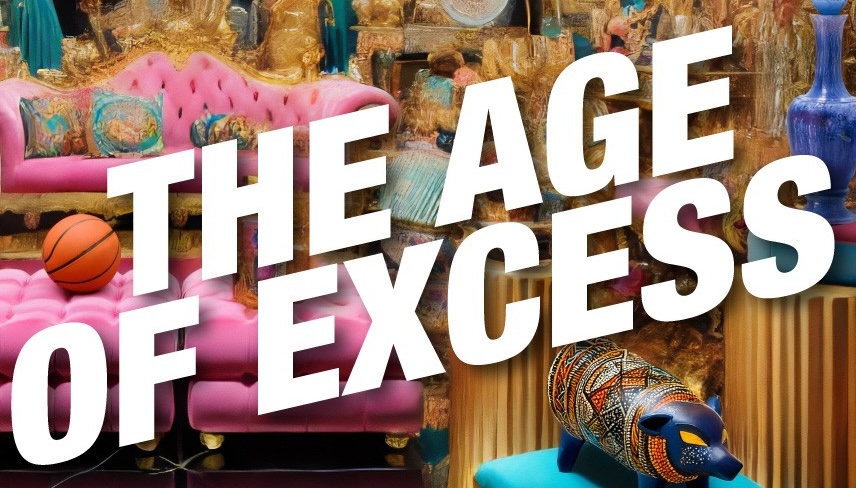
XV Lisbon Summer School is approaching!
The XV Lisbon Summer School for the Study of Culture will be held June 29 – July 5, 2025, with the topic “The Age of Excess”. As always, this Summer School will bring together researchers, master and doctoral students and post-docs from around the world.
The Keynote Speakers feature Bárbara Coutinho (MUDE), Barbara Vinken (Ludwig-Maximilians-Universität Munich), Brooke Harrington (Dartmouth College), Claudia Salamanca (Pontifícia Universidad Javeriana), Désiré Feuerle (Art collector, curator and consultant), Nanna Bonde Thylstrup (University of Copenhagen), Sophia Rosenfeld (University of Pennsylvania), and Paulo Campos Pinto (Universidade Católica Portuguesa).
Masterclasses will be held by Ilios Willemars (Leiden University), and Rita Faria (Universidade Católica Portuguesa).
You can find more information about the event here:
-

CfP | Diffractions: Visual Poetics and Gender: Rendering Absence and Error
Diffractions – Graduate Journal for the Study of Culture has launched the Call for Papers for Issue 11: Visual Poetics and Gender: Rendering Absence and Error. The deadline for abstracts is May 31, 2025.
Visual Poetics and Gender: Rendering Absence and Error
Editors-in-chief: Emily Marie Passos Duffy and Amadea Kovič
Absences, both as a verbal phenomenon and textual/visual strategy, are evocative. They can convey even more than what is included in a work—pointing to the unsaid, the unexpressed, redacted, or censored. A space, an error, or an errant form can be seen as a collision between semiotic systems, lending itself to ekphrastic consideration, braiding together the verbal and the visual. History until this day is punctuated with gendered absences, and the visual mode has the potential to underscore them by making them visible; as noted by Elisabeth Frost (2016), there are “specifically feminist possibilities of a visually-oriented poetics” (339). Glitch feminism, for example, builds itself on the notion of the ‘glitch-as-error,‘ a term seeping from the digital world to claim and embrace the fluidity of the material against the dominance and normativity of the binary (Russell 2020). This call finds itself at an intersection between visual poetics as an approach/ philosophy and visual poetry as one of its genre outputs, engaging with both the visual and verbal to explore gender and absence.
Visual poetics are defined through a number of perspectives: as an approach described by Mieke Bal (1988), it denies the “word-image” opposition and explores possibilities of a poetics of the visual and the visual dimensions of the written word, calling for mutual collaboration between and across mediums (178), while Frost (2016) defines it “as writing that explores the materiality of word, page, or screen” (339). Within the genre output of visual poetry—a genre umbrella that may include concrete poetry, asemic (“wordless”) poems, choreopoems, erasures, and redactions—there are countless examples of artists working on “visual compositions precisely to question the gendered politics of the history of poetry, material culture, and reading or performance” (Frost 2016, 339).
Within the context of this call, we are specifically interested in the potential of visual poetics to render visibility to absences, engage with error, and convey histories of silence, censorship and erasure. What happens when certain narratives lack visibility, and present blank spaces within public visual language? Works by 21st century women poets Anne Carson and Gabrielle Civil demonstrate a poetic engagement with absence, as well as the material and visual aspects of both language and translation. In a note following “errances: an essay of errors after Jacqueline Beaugé-Rosier,” performance artist, poet, and writer Gabrielle Civil (2020) describes her ongoing work of translating A vol d’ombre by Haitian poet Jacqueline Beaugé-Rosier as “a trial of wandering,” “a shadow lineage” and “a timeline of discarded choices.” The essay´s visual dimensions—namely, white space, brackets, and cross-outs— constitute an archive of doubt, possibility, absence, and trials.
Absences and errors can convey meaning and possibilities for reading and interpretation—in Civil’s case, they indicate a grappling with the language itself, and the challenges translation presents with “false friends, language, meaning, and memory” (Civil 2020). In Carson’s case, the brackets and white space in If Not, Winter: Fragments of Sappho perform and engage with the loss—an elegy for the missing pieces of the source text itself in its entirety, and an engagement with what remains.
This call is interested in how gender-based concerns can be expressed through visual language and its absences, resulting in visual poetics in their varied and multilayered manifestations—and how these intersections may illuminate the bounds and possibilities of genre, form, and semiotic system.
We invite explorations and examples of artistic productions which utilise the interplay between the verbal, visual, and gender—in particular, the use of visual poetics to highlight absence, invisibility and erasure, considering:
- How can visual language be used to convey narratives that are beyond the verbal?
- How might an absence be translated into visual language?
- What is the role of error in visual poetics, and how does it connect to gender?
Proposals for thematic articles in response to this call are welcome, including but not limited to the following topics:
- The translation of visual or concrete poetry
- Visual poetics and gender
- (In)visibility
- Expressions of error in visual poetry
- Visual rendering/annotation of speech-based poetics
- Absence as evocative, absence as resistance strategy
- Ekphrastic writing—writing in response to visual art
- Collaborations between visual artists and poets
- Street art/graffiti as a form of visual poetics
- Intertextuality/Intersemiotic translation and gender
- Visual poetics, AI and technology
- Visual poetics and theory
For artistic submissions, we are interested in the following:
- Visual essays
- Interviews
- Graphic or visual storytelling
- Memes (original or curated with attribution)
- Poetry that engages with erasure or redaction
- Translated poetry with a translator’s note
- Collaborations between text-based and image-based artists
As with thematic articles, the artistic contributions should not exceed the length of 9000 words, in English or Portuguese. With artistic submissions, authors may also include an optional short (150-200 words) synopsis of the work in lieu of an abstract.
Submissions and review process
Abstracts will be received and reviewed by the Diffractions editorial board who will decide on the pertinence of proposals for the upcoming issue. After submission, we will get in touch with the authors of accepted abstracts in order to invite them to submit a full article. However, this does not imply that these papers will be automatically published. Rather, they will go through a peer-review process that will determine whether papers are publishable with minor or major changes, or they do not fulfill the criteria for publication.
Please send abstracts of 150 to 250 words, and 5-8 keywords by May 31st 2025, to info.diffractions@gmail.com with the subject “Diffractions 11”, followed by your last name.
The full papers should be submitted by August 31th 2025, through the journal’s platform: https://revistas.ucp.pt/index.php/diffractions/about/submissions.
Every issue of Diffractions has a thematic focus but also contains special sections for non- thematic articles. If you are interested in submitting an article that is not related to the topic of this particular issue, please consult the general guidelines available at the Diffractions website at https://revistas.ucp.pt/index.php/diffractions/about/submissions. The submission and review process for non-thematic articles is the same as for the general thematic issue. All research areas of the humanities are welcome.
See full call with bibliography here: https://revistas.ucp.pt/index.php/diffractions/announcement
-

Congratulations, Maria Gabriela!
Maria Gabriela Sinclair Espino successfully defended the MA dissertation “The Re-Imagination of Museums: Towards Decoloniality in Contemporary Art Museums in Central America and the Caribbean” on March 26, 2025.
-
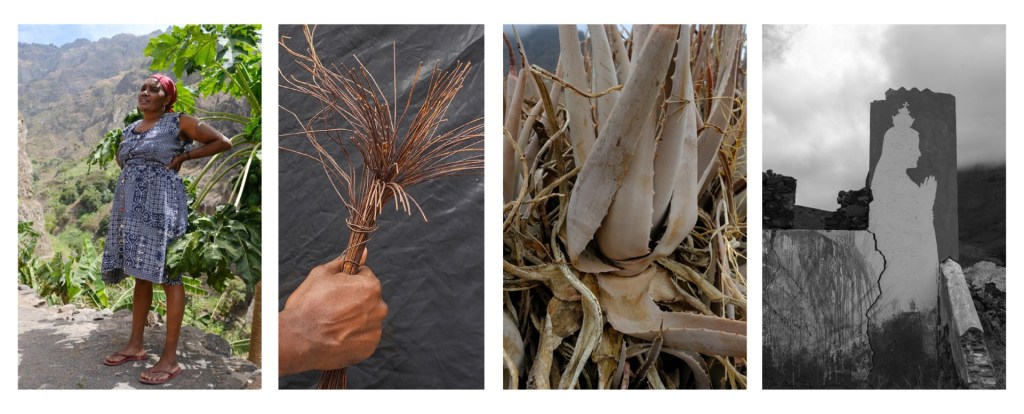
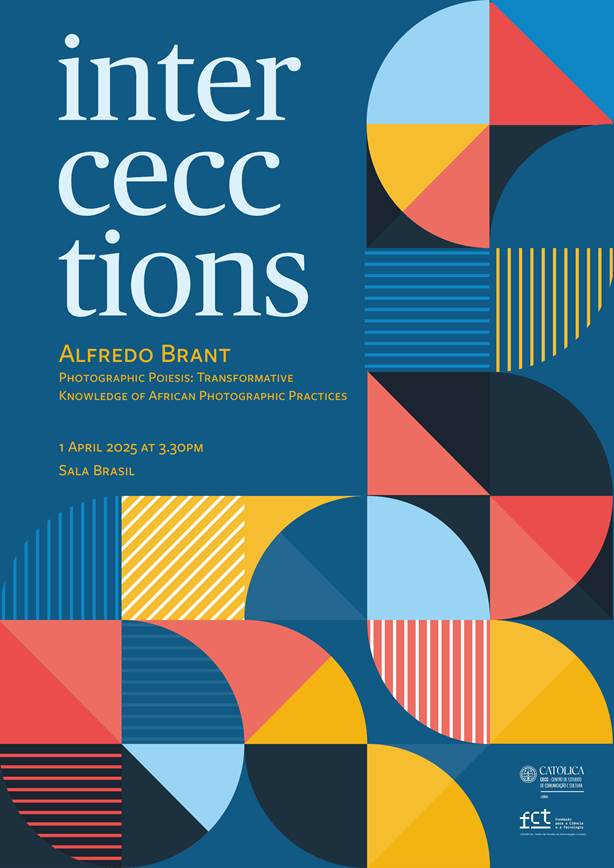
Alfredo Brant (PhD in Culture Studies) presents his research at InterCECCtions on April 1 at 15:30
The next InterCECCtions will feature Alfredo Brant (PhD in Culture Studies) who will discuss “Photographic Poiesis: Transformative Knowledge of African Photographic Practices”.
The session will take place on April 1 at 15:30 (Room: Brasil).
-
Book Club | “Banned Books Through Time” – Fahrenheit 451 (1953) by Ray Bradbury.
The Lisbon Consortium Book Club has launched a new cycle, “Banned Books Through Time,” that begins with Fahrenheit 451 (1953) by Ray Bradbury.
The Book Club has monthly meetings and also has a discussion group on the Goodreads platform that is used to discuss books and book choices. Suggestions for the reading list are always welcome!
If you are interested in being part of this reading community, please contact lisbonconsortiumbookclub@gmail.com or join the Goodreads group!
-

Congratulations, Akinyemi!
Akinyemi Abimbola Akinola successfully defended the MA dissertation “Nyam: (Re)claiming African culinary heritage to create an African – American culinary identity and (re)stor(y)ing African diaspora food memories” on March 18, 2025.
-

Congratulations, Dela!
Dela Mießen successfully defended the MA internship report “Guardians of the Past, Gatekeepers of the Future? A Study on the Cultural Foundation of German Federal States” on March 18, 2025.
-
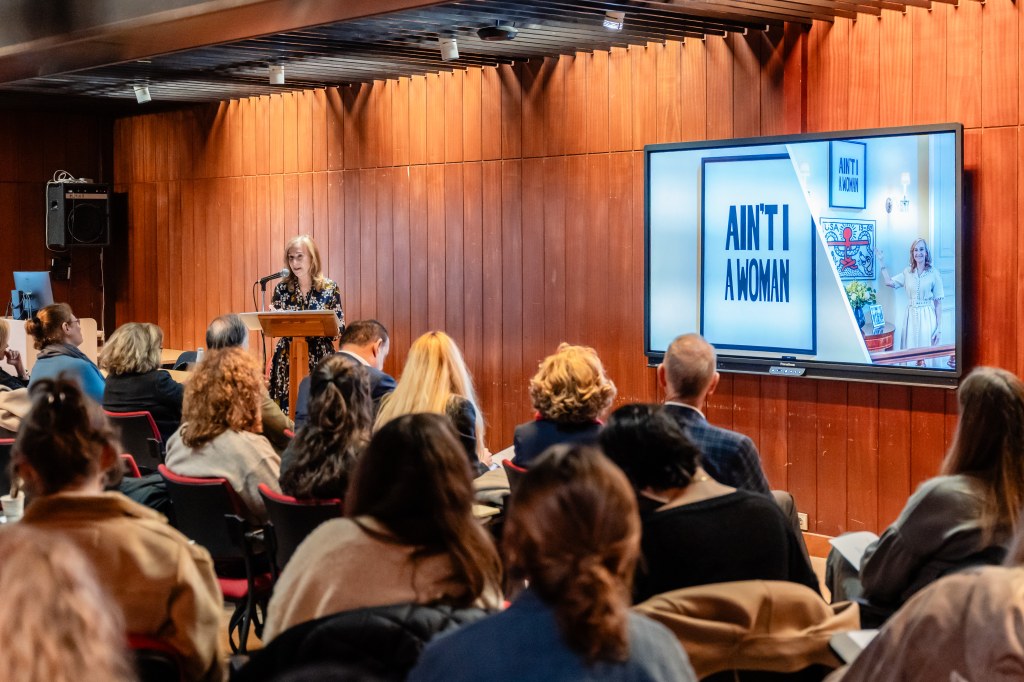
Honorary Professor Randi Charno Levine Delivers Lecture on Art and Diplomacy
Photographs @ Federico Domingues Foto
On March 5, 2025, Professor Randi Charno Levine, former U.S. Ambassador to Portugal, gave the opening lecture as Honorary Professor in Art and Diplomacy for Master’s and Doctoral students in Culture Studies at the Faculty of Human Sciences (UCP). The lecture “Art and Diplomacy: Setting the Stage,” explored the intersection of art and diplomacy, examining how cultural engagement serves as a powerful tool in international relations, introducing several collaborations and projects in the field of visual arts, music, and culinary diplomacy.
Drawing from her extensive career as a writer, curator, and advocate for the arts in prestigious institutions such as the National Portrait Gallery, the Metropolitan Museum of Art (MET), and the Museum of Modern Art (MoMA), Professor Levine discussed how public policy goals can be articulated with arts and culture.
During the 2023-2024 academic year, students in the Culture Studies program had already experienced Professor Levine’s cultural diplomacy firsthand during their visit to Celebrating Diversity, an Art in Embassies exhibition at the U.S. Ambassador’s residence, Casa Carlucci. The exhibition showcased what Ambassador Levine considers to be the best of America – the diversity of its citizens. Moreover, Ambassador Levine was the driving force behind the UN Oceans Summit Exhibition (2022) in Casa Carlucci, as well as bringing the Next Level Hip Hop project and promoting the Black History Month in Portugal. Additionally, her involvement in culinary diplomacy led to collaborations with local chefs, Ukrainian refugees, and Portuguese veterans.
The lecture sparked engaging discussions with the students about how cultural and artistic initiatives can be designed and executed through collaborations with public, private, and third-sector partners. Students expressed particular interest in strategies for building trust in these networks, especially when working with individuals, groups, and stakeholders with different backgrounds. Professor Levine stressed the importance of authenticity and openness to dialogue as key elements in fostering successful cultural diplomacy.
Another central topic of discussion was how to grant sustainability and continuity to cultural projects when the circumstances change, or the official project period comes to an end. Professor Levine emphasized that while partnerships play a significant role in sustaining initiatives, continuity does not solely depend on formal measures. While cultural diplomacy may not directly resolve conflicts, it plays a central role in enabling people-to-people dialogue. The younger generations play a particularly important role in these conversations and exchanges.
This lecture marked the beginning of a series of classes by Professor Levine, who expressed her excitement about engaging with students and continuing collaborating on a dynamic curriculum designed to empower them in their future careers.


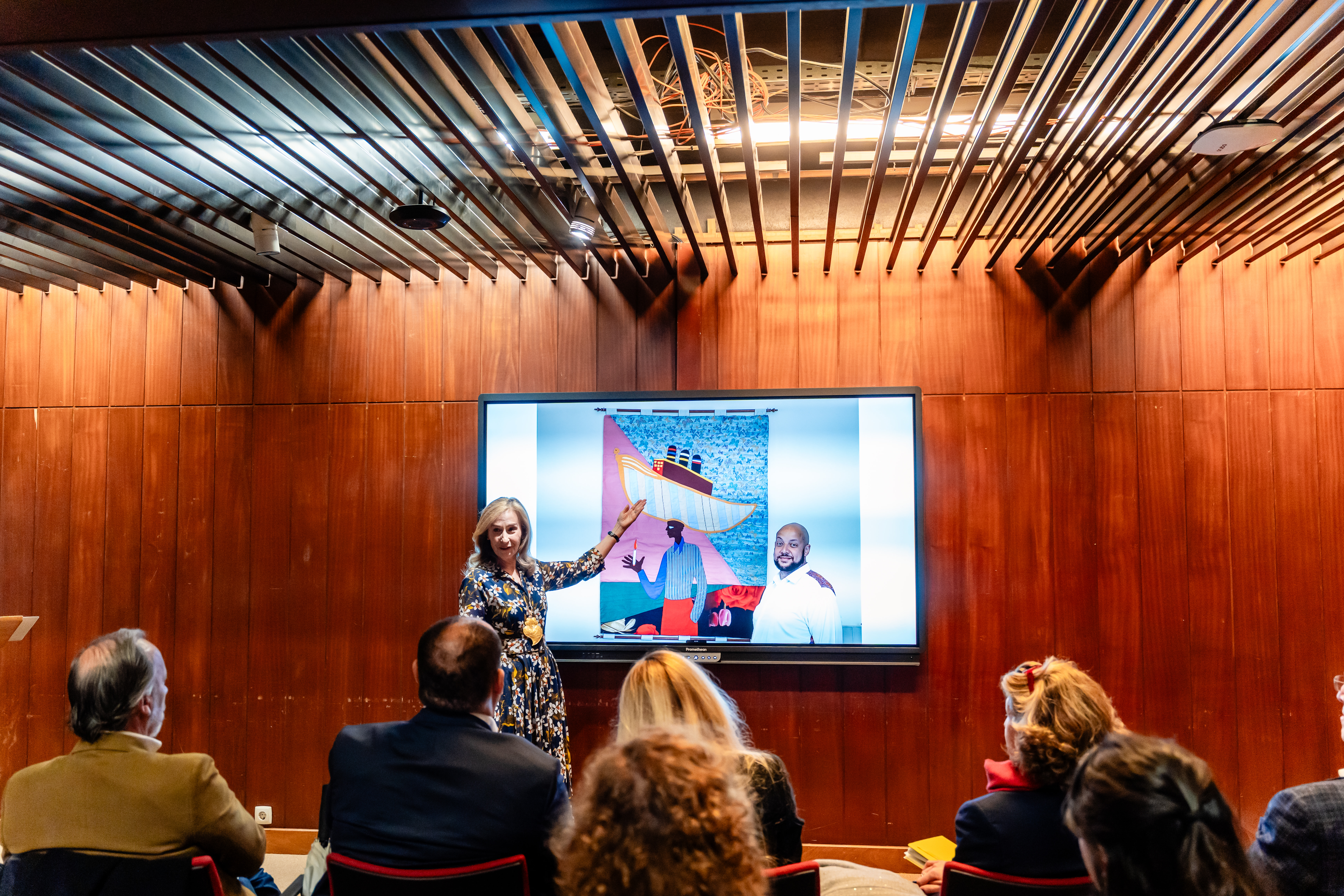

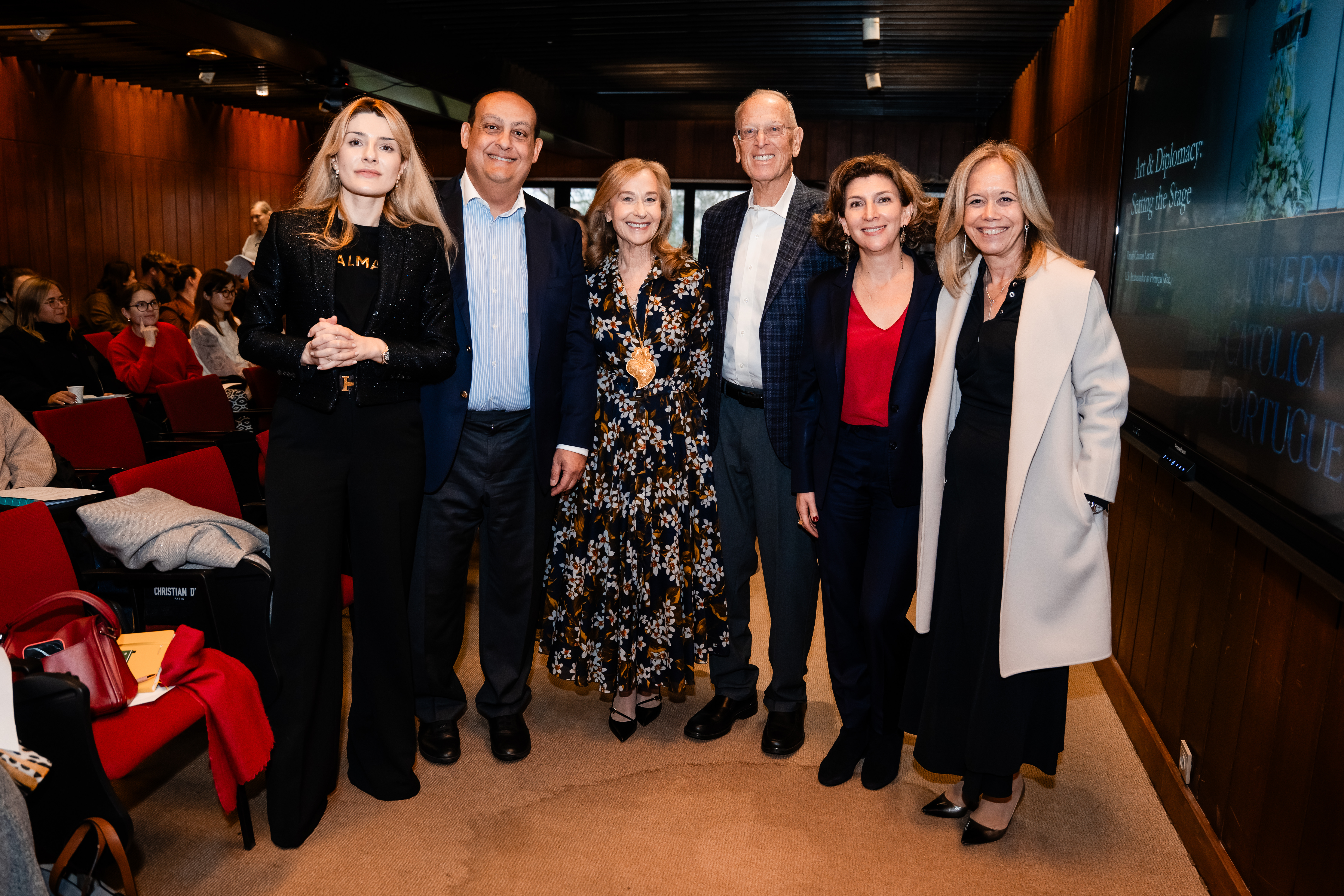


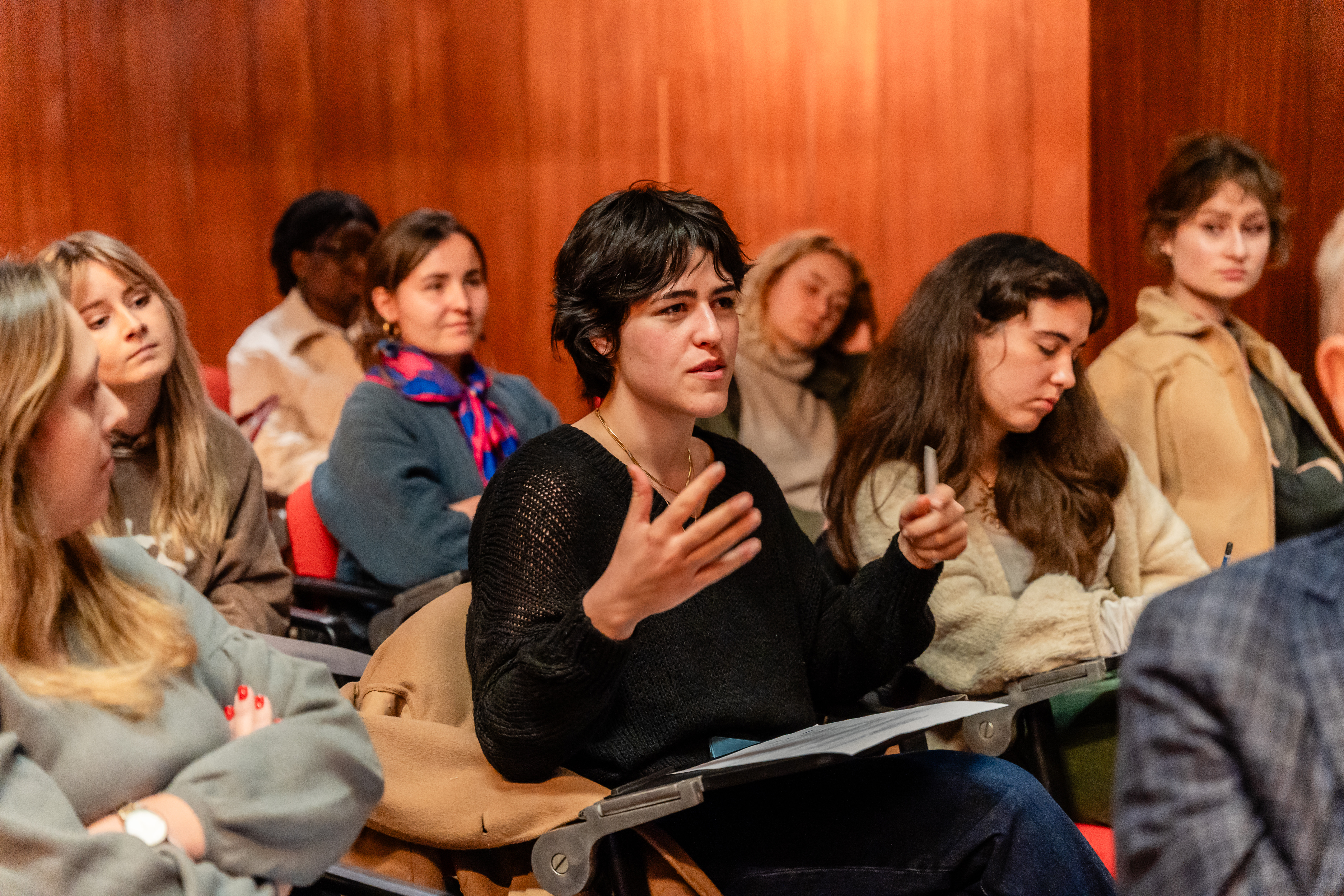
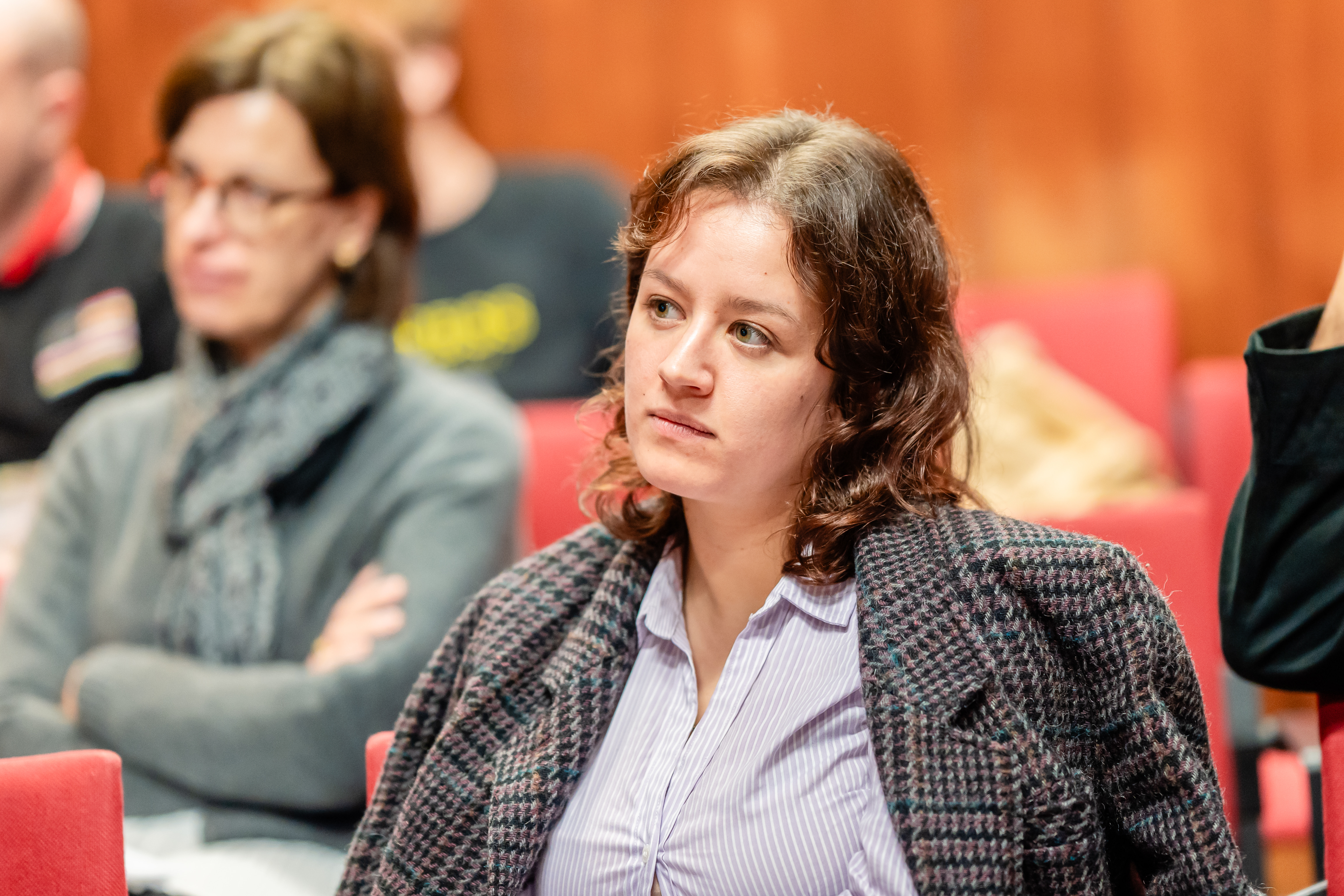
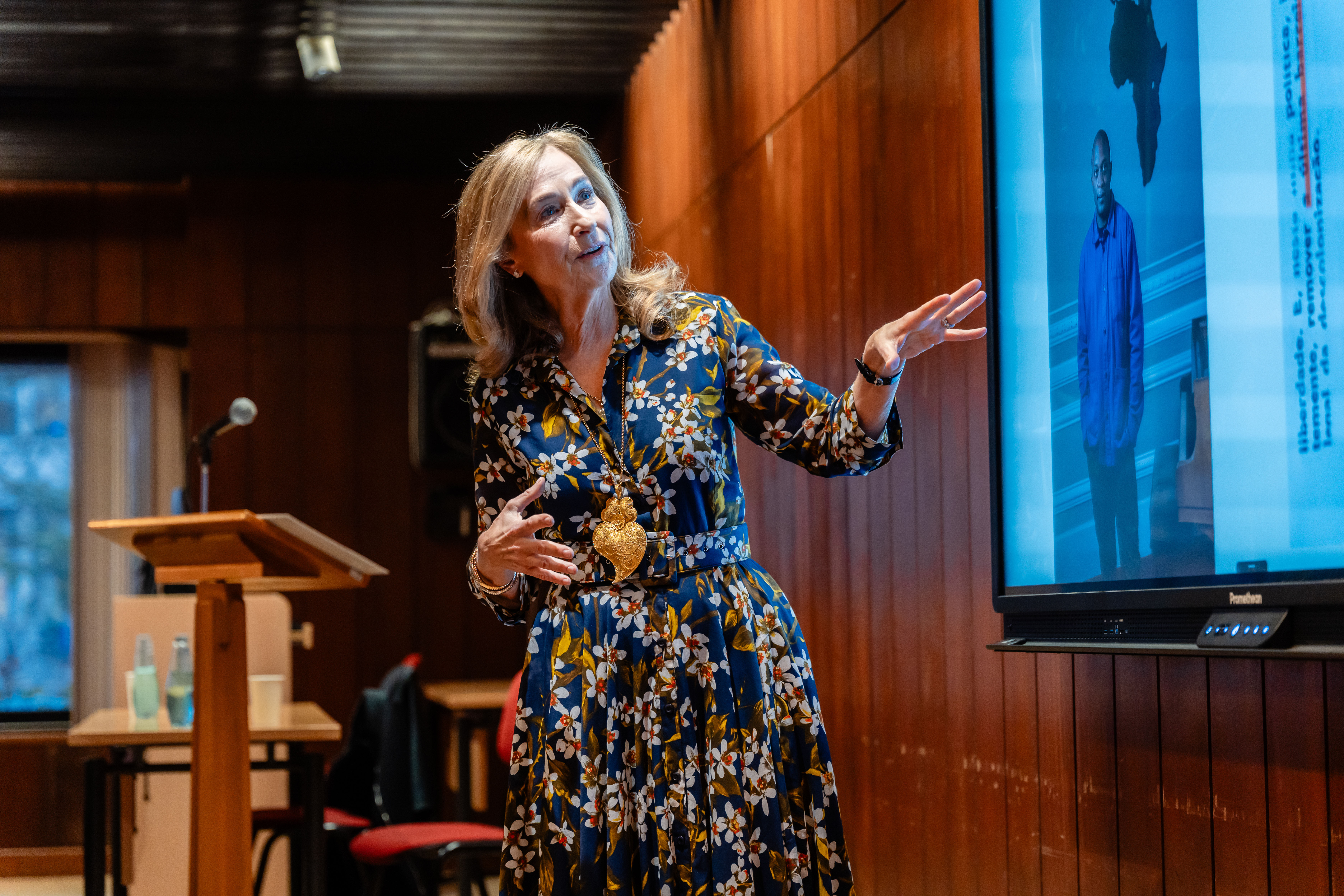
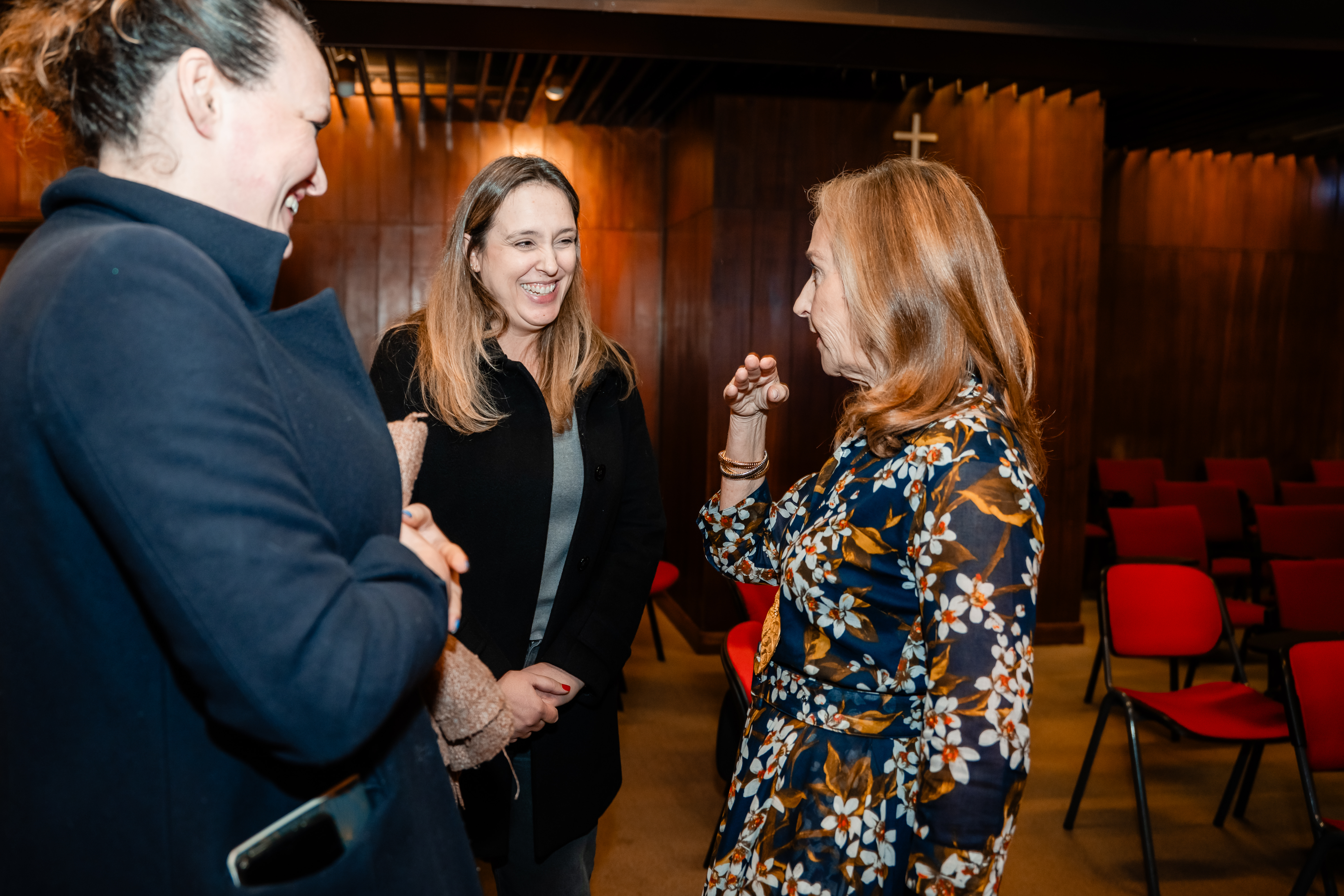
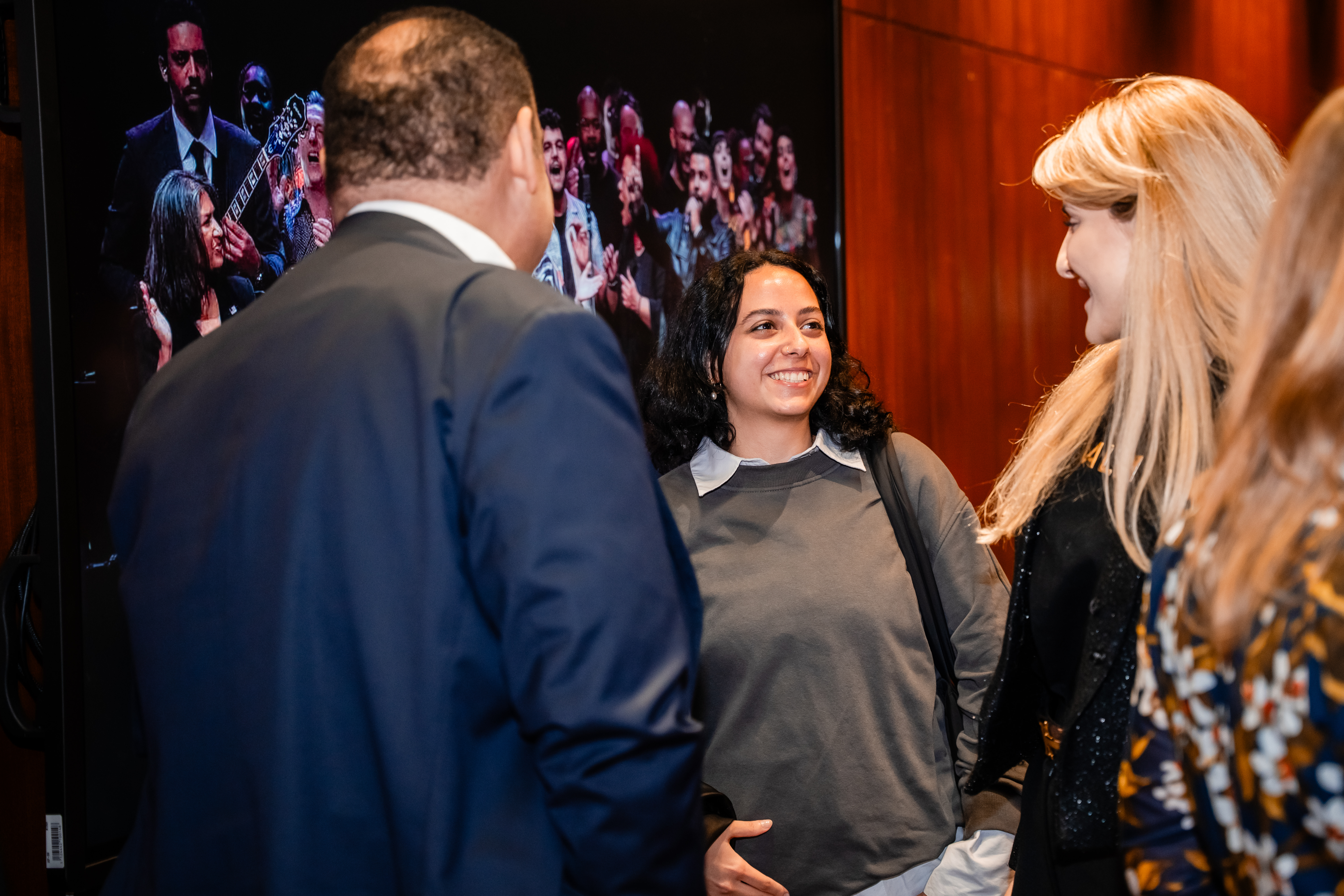
Photographs @ Federico Domingues Foto
-

Congratulations, Giulia!
Giulia Degiorgi successfully defended the MA dissertation “Compromise and Contradiction, Striving in A System One Condemns? A Case Study of The Radical Leftist Bookshop Piena Libreria in Lisbon” on March 10, 2025.
-
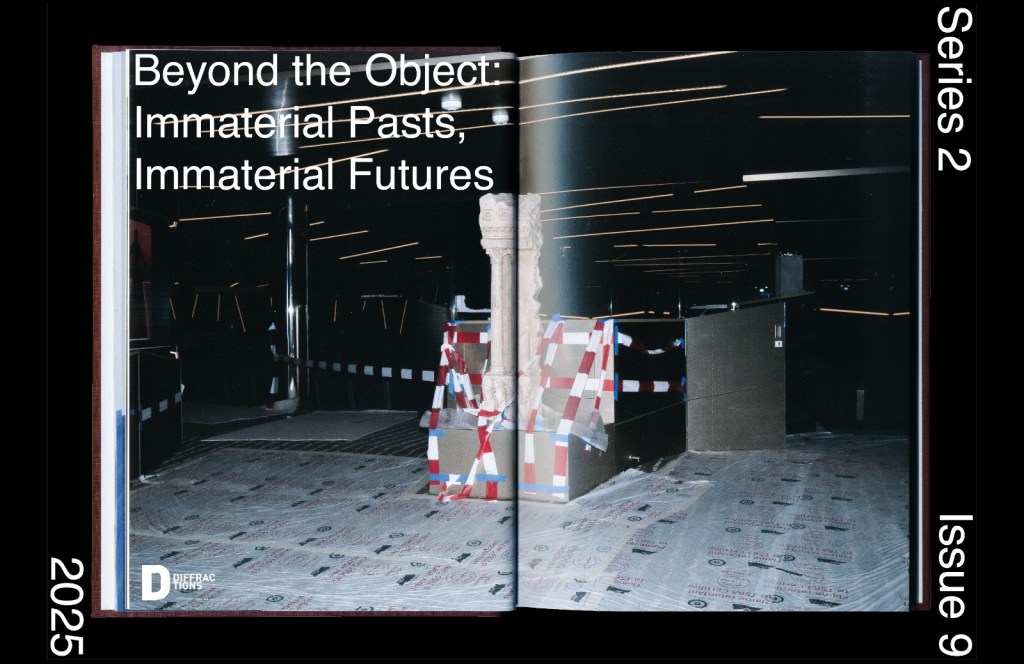
Diffractions | #9 Launch, March 11, 19:00, Hangar
The launch of the latest issue of Diffractions will take place at Hangar (Rua Damasceno Monteiro 12) on March 11, 2025.
The editors Federico Rudari and Teresa Pinheiro will introduce the issue, its themes, and contributions (in Portuguese and English), and a performance by Polido, musician and artist, will follow. The event counts on the support of CECC.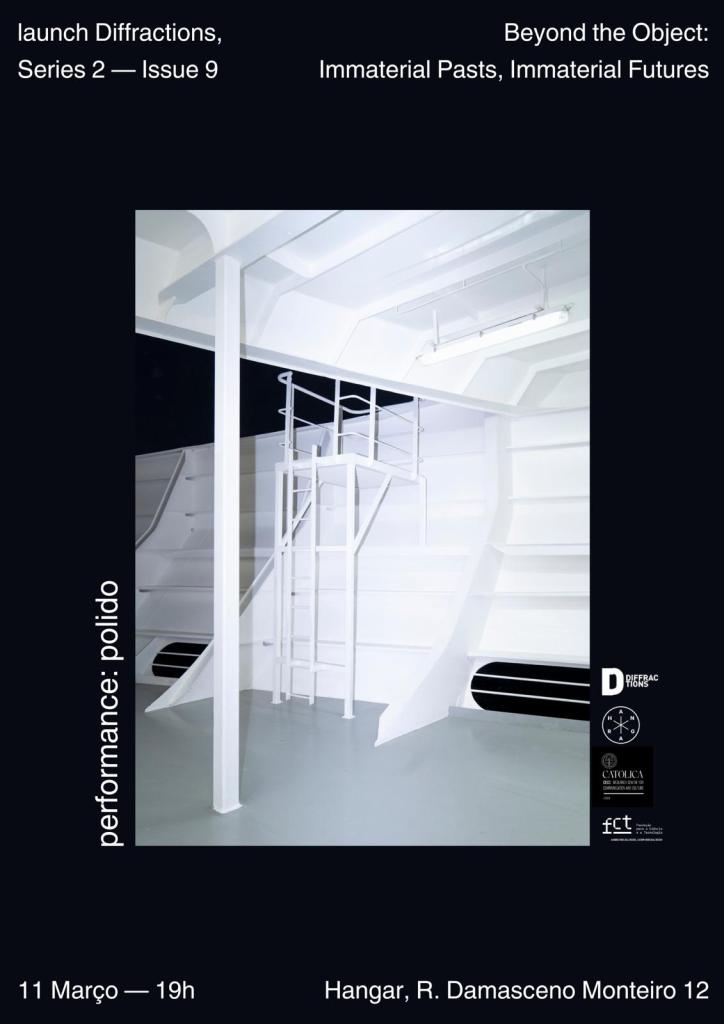
-

Registrations open | Echoes of Age, April 3-4 2025
The registration is open for the upcoming conference, Echoes of Age: Relational Dynamics in an Intergenerational World. This event will bring together artists writers, researchers and professionals to explore the evolving narratives of aging, generational interactions and cultural transformations.
Conference Details:
Date: April 3-4, 2025
Location: Universidade Católica Portuguesa
Programme:
Register Here: https://fch.lisboa.ucp.pt/CECC/Echoes-of-age until March 15, 2025.
Keynote Speakers:
- Nanako Nakajima: Dance scholar and dramaturg. She is an Associate Professor in Dance Studies at Waseda University, Tokyo. Her publications include The Aging Body in Dance.
- Luísa Leal de Faria: Full Professor of the Faculty of Human Sciences (FCH) at Universidade Católica Portuguesa (UCP), where she served as Vice-Rector between 2004 and 2012.
- Simon(e) van Saarloos: Writer, artist and curator based between Oakland, California and Amsterdam, the Netherlands. Van Saarloos is the author of Against Ageism. A Queer Manifesto.
- Natália Fernandes: Associate Professor with Qualification at the University of Minho, Institute of Education, Department of Social Sciences of Education. Her research area is the Sociology of Childhood.
For more details, including the conference program, visit the website: echoesofage.wordpress.com contact us at echoesofage.conference@gmail.com for questions.
Follow @Echoes_of_Age on Instagram for updates and highlights leading up to the conference!
Registration Fees:
The registration fee includes coffee breaks and conference materials. Spaces are limited, so we encourage you to register early to secure your spot.
- Student/Academic Attendees: 85 €
- CECC Researchers: Exempted from fees, but registration is mandatory.
Looking forward to seeing you there!
-
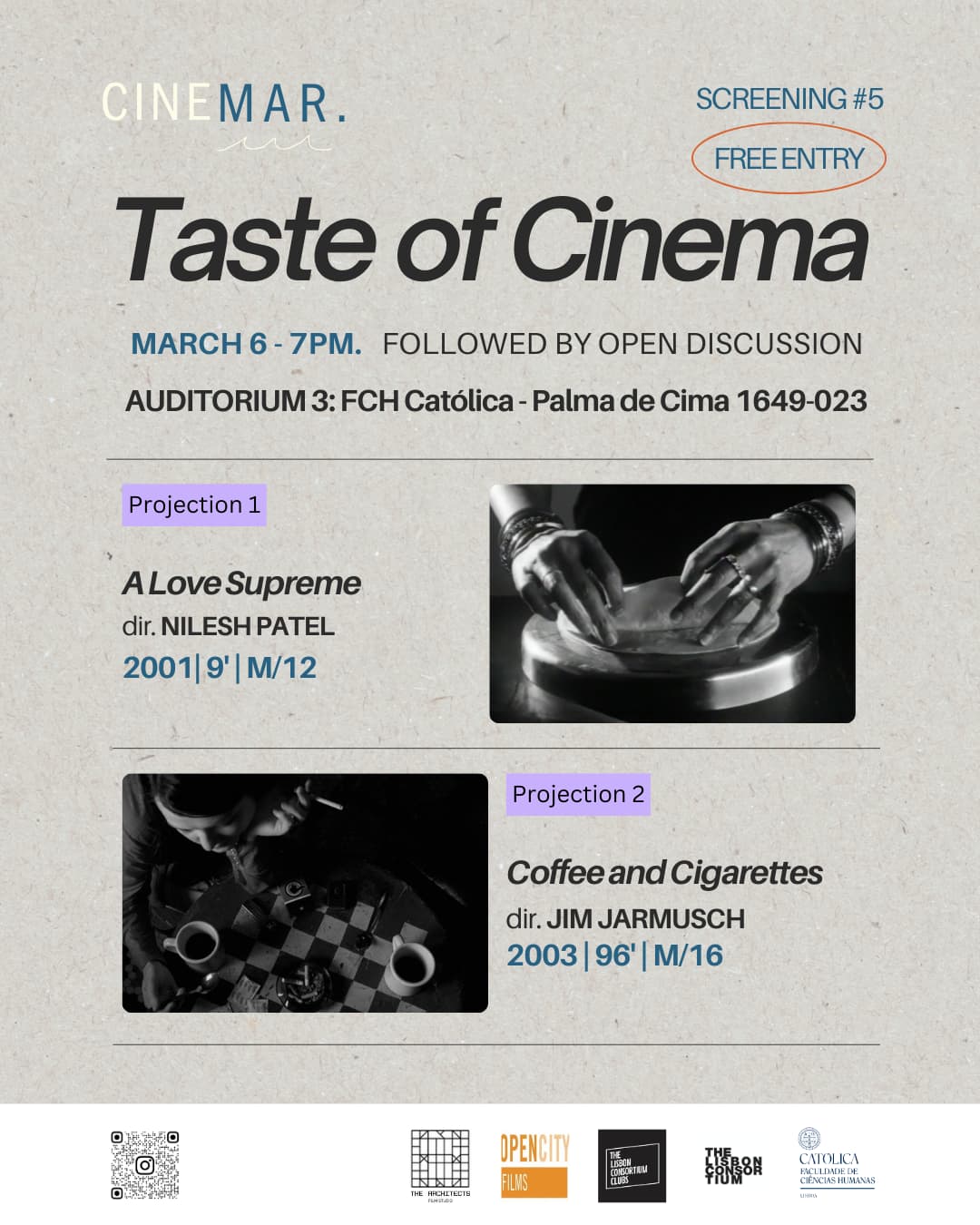
CineMar #5: Taste of Cinema – A Love Supreme (dir. Nilesh Patel) and Coffee and Cigarettes (dir. Jim Jarmusch), March 6 at 19:00 (FCH, A3)
🎥 A Love Supreme dir. Nilesh Patel
A tribute to the director’s Mother, who has rheumatoid arthritis. This 9-min documentary explores memory and tradition through the preparation of samosas.
🎥 Coffee and Cigarettes dir. Jim Jarmusch
This 11-vignette film captures the intimate moments of human connection found in the simple act of sharing coffee and cigarettes.
📍 Auditorium D. António Ribeiro (A3), FCH – Católica:https://maps.app.goo.gl/CRtVptT763DP4xMF6
🗓️ March 6, Thursday
⏰ 7:00 PM
Presented in partnership with @architectsfilmstudio and Open City Films. Join us for this screening that delves into food as a cultural expression, in conjunction with the Our Food-Webbed World: Interdisciplinary Culinary Landscapes conference.
Looking forward to seeing you there!
-
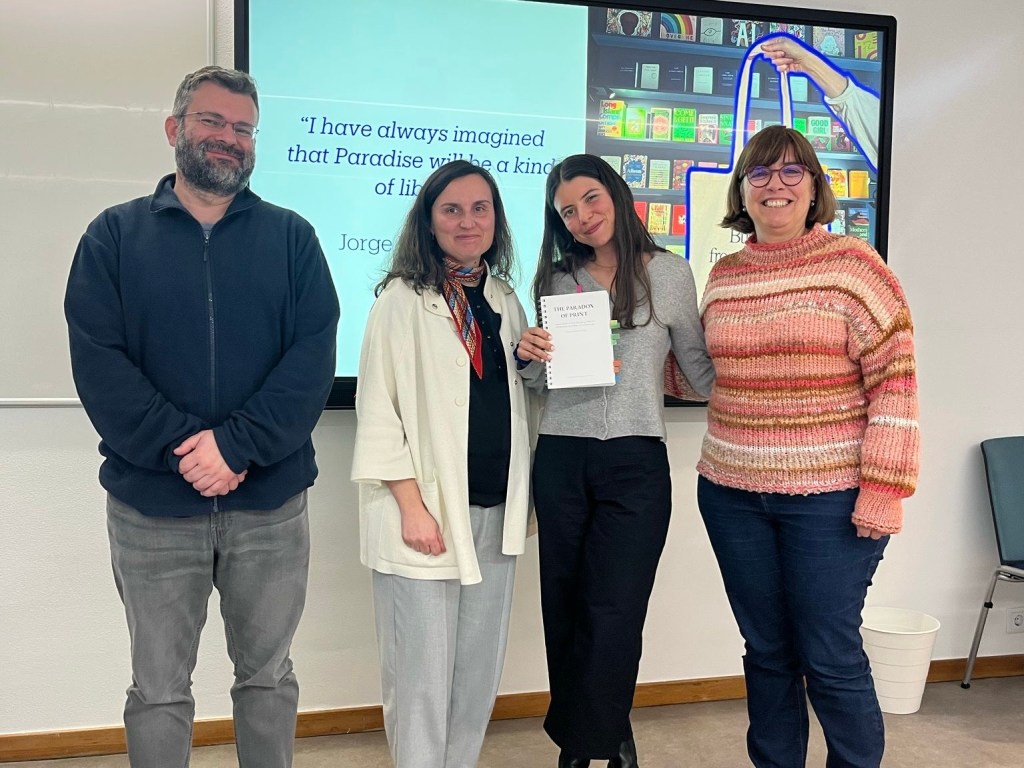
Congratulations, Benedita!
Benedita Homem de Gouveia successfully defended the MA dissertation “The paradox of print: Salted books and the revival of physical independent bookshops in a digital age” on February 26, 2025.
-
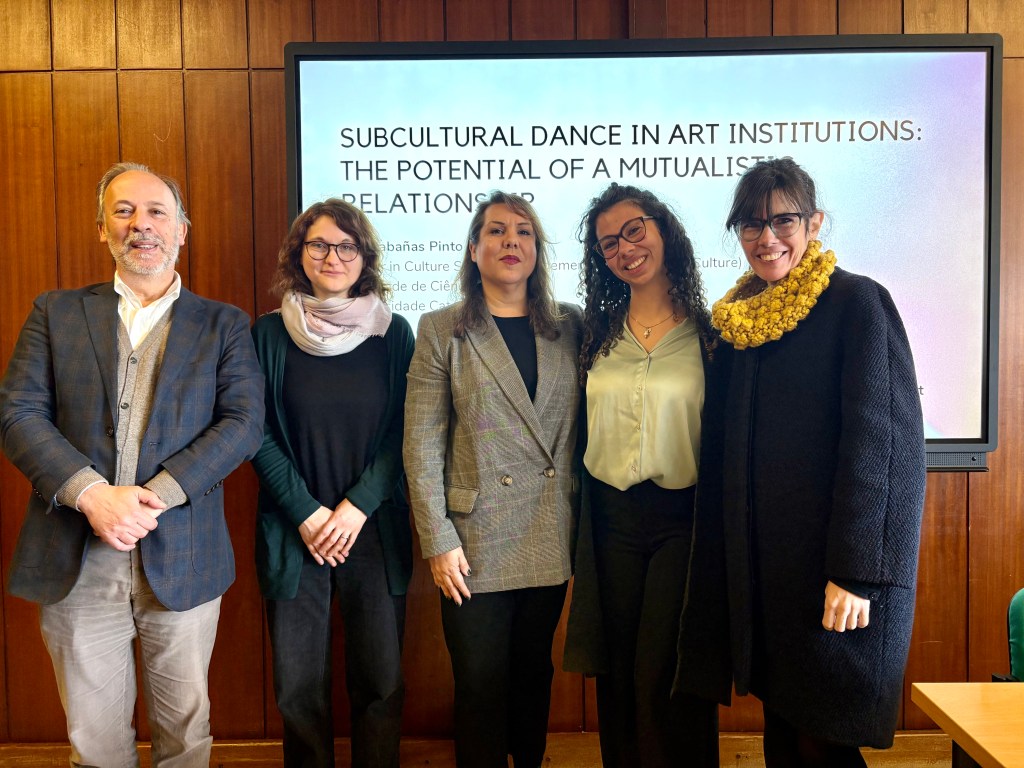
Congratulations, Eva!
Eva Cabañas Pinto successfully defended the MA internship report “Subcultural dance in arts institutions: The potential of mutualistic relationship” on February 24, 2025.
-

Book Launch | Teresa Weinholtz: O Grande Torneio dos Animais, February 24 15:00
As a part of the Book Club programming, PhD candidate Teresa Weinholtz will be presenting her newly published children’s book O Grande Torneio dos Animais, published by Meialonga.
The Book Club takes place on Monday, February 24 at 15:00 at room 244.
Afterwards, the discussion will continue about Ficciones (1944) by Jorge Luis Borges.

-

The Age of Excess – deadline extended!
The deadline for the XV Lisbon Summer School for the Study of Culture – The Age of Excess, that will take place between June 30 and July 5 has been extended. Abstracts can be submitted until February 17, 2025.
-
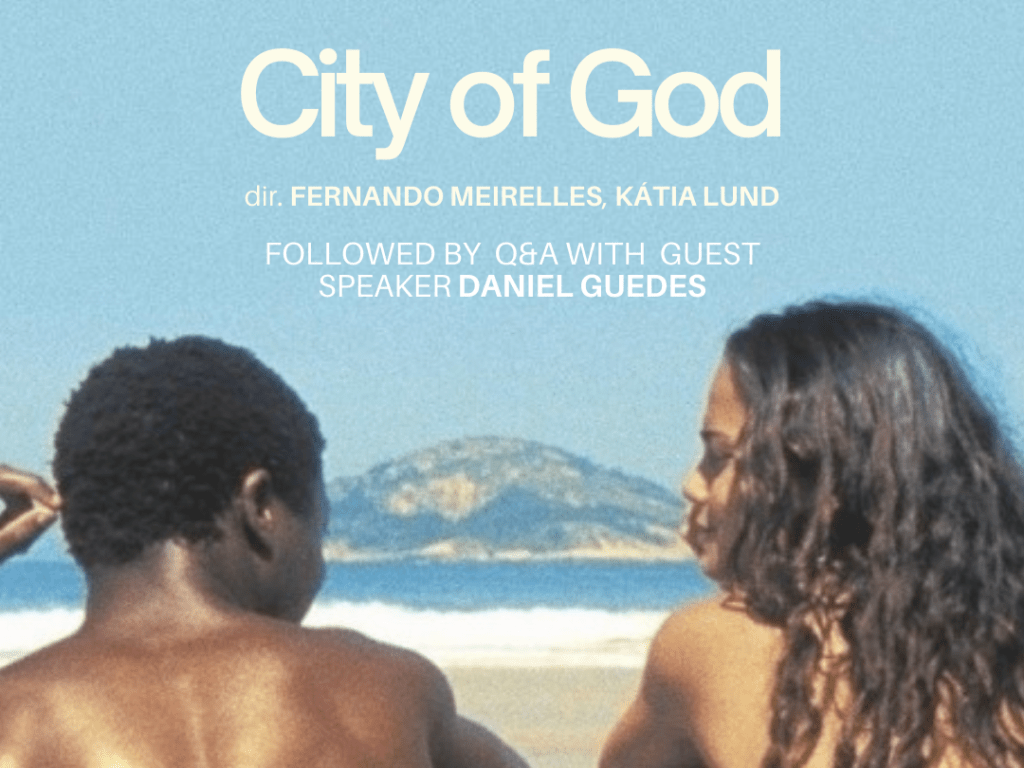
CineMar # 4 | City of God @ Avenidas – Um Teatro em Cada Bairro, February 12, 2025, 21:00
The next CineMar session City of God (2002) will be held on 12 February, 21h, at Avenidas – Um Teatro em Cada Bairro (Rua Alberto Sousa 10A). The screening will be followed by a conversation with Daniel Guedes.
The session will be held in English (English subtitles).

-

Congratulations, Bruno!
Bruno Castro defended the MA internship report “Intervenção Museológica na Preservação do Artesanato Etíope: Projeto de Estágio ‘Craft Atlas Ethiopia’” on January 27, 2025.
-

Congratulations, Katharina!
Katharina Maria Richtsfeld successfully defended the MA dissertation “How projects funded by the European Union address the idea of European identity and culture” on January 23, 2025.
-

Congratulations, Francisco!
Francisco Henriques Santos Gomes successfully defended the MA internship report “The pedagogical dimension of film festivals: The L.A. rebellion movement in LEFFEST 22” on January 23, 2025.
-

Congratulations, Diana!
Diana Fulvia Maria Danielli successfully defended the MA internship report “‘New’ museums of contemporary art in Lisbon: Crossing borders between art and politics through internationalization” on January 22, 2025.
-
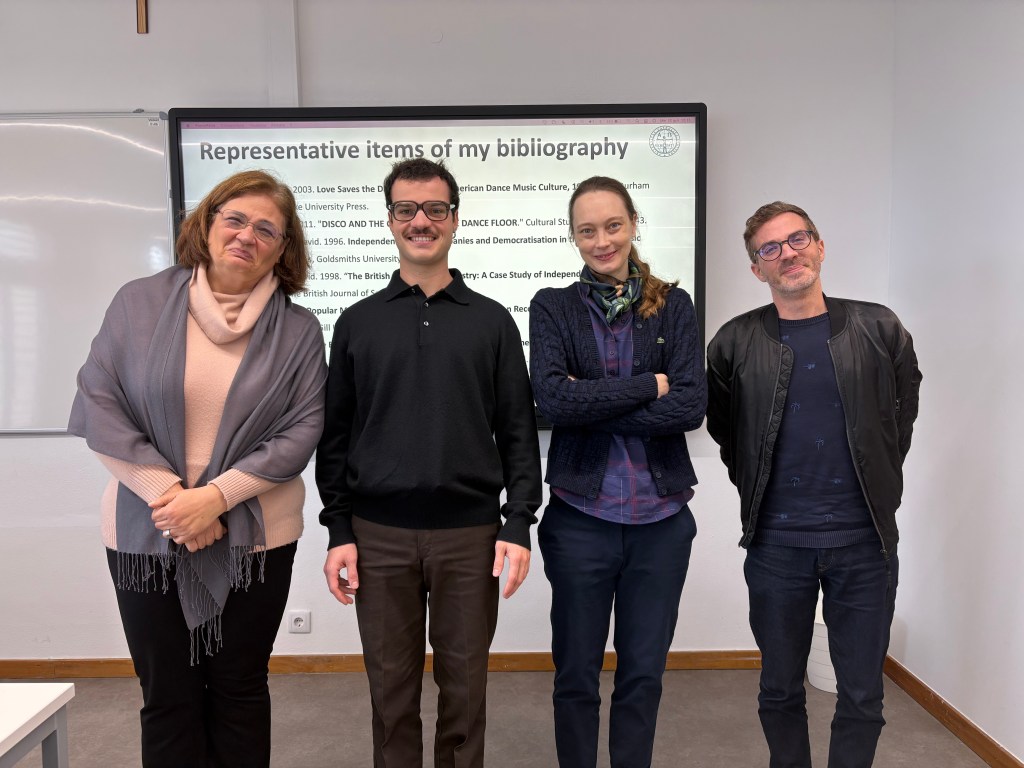
Congratulations, Andrea!
Andrea Delle Monache successfully defended the MA internship report “Exploring the synergy between the electronic music industry and dance music culture: The example of Lisbon” on January 22, 2025.