Author: lisbonconsortium

  • Opening | Um múltiplo é um múltiplo é um múltiplo – May 9, 2024, 18h

    Opening | Um múltiplo é um múltiplo é um múltiplo – May 9, 2024, 18h

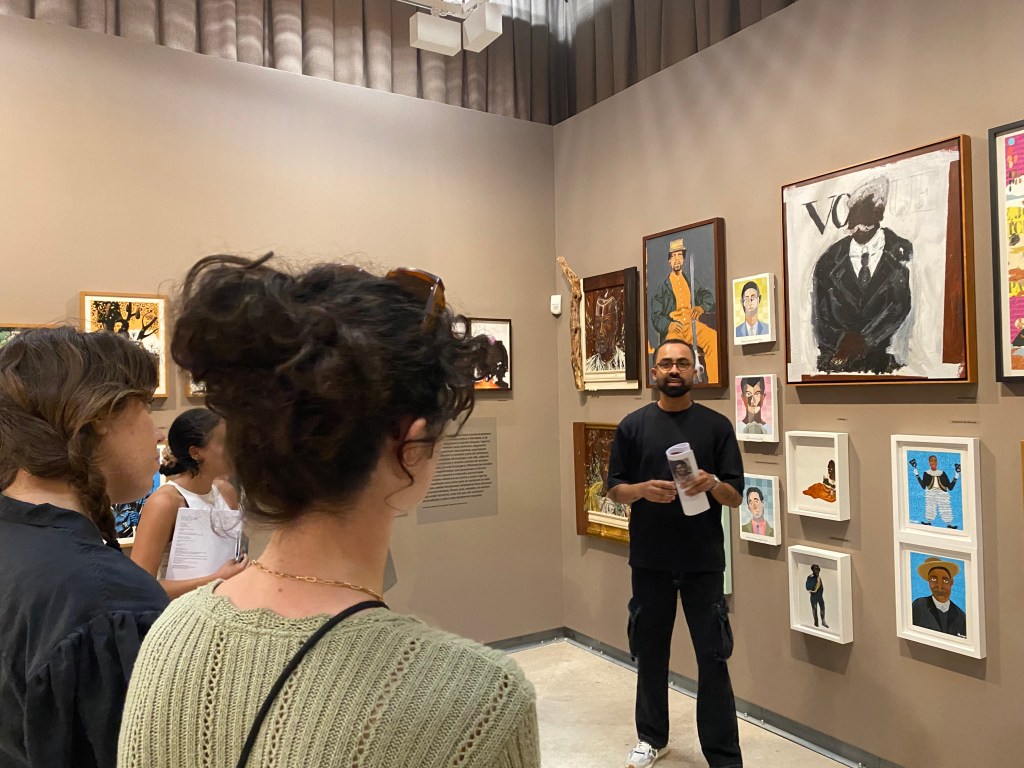
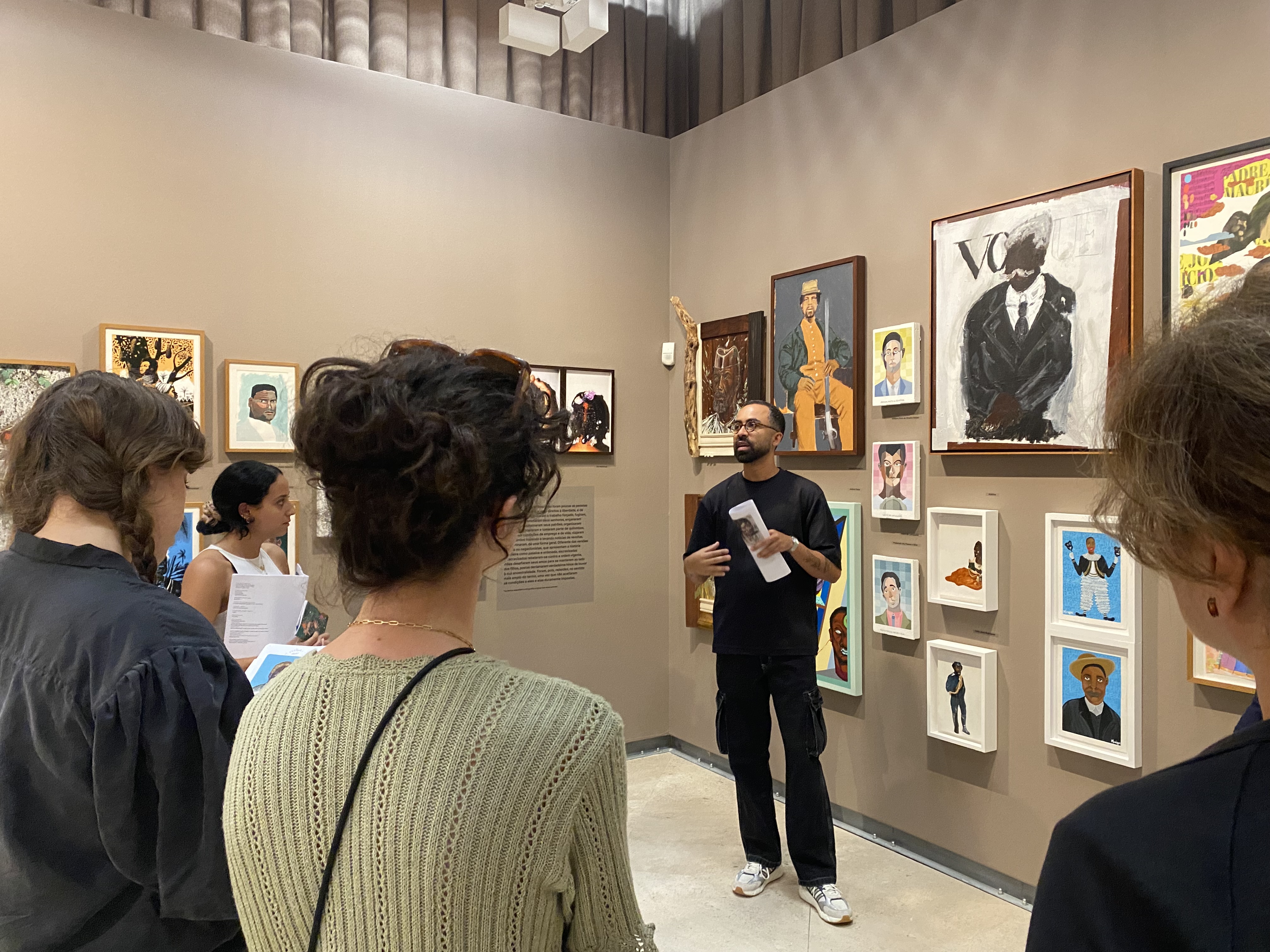
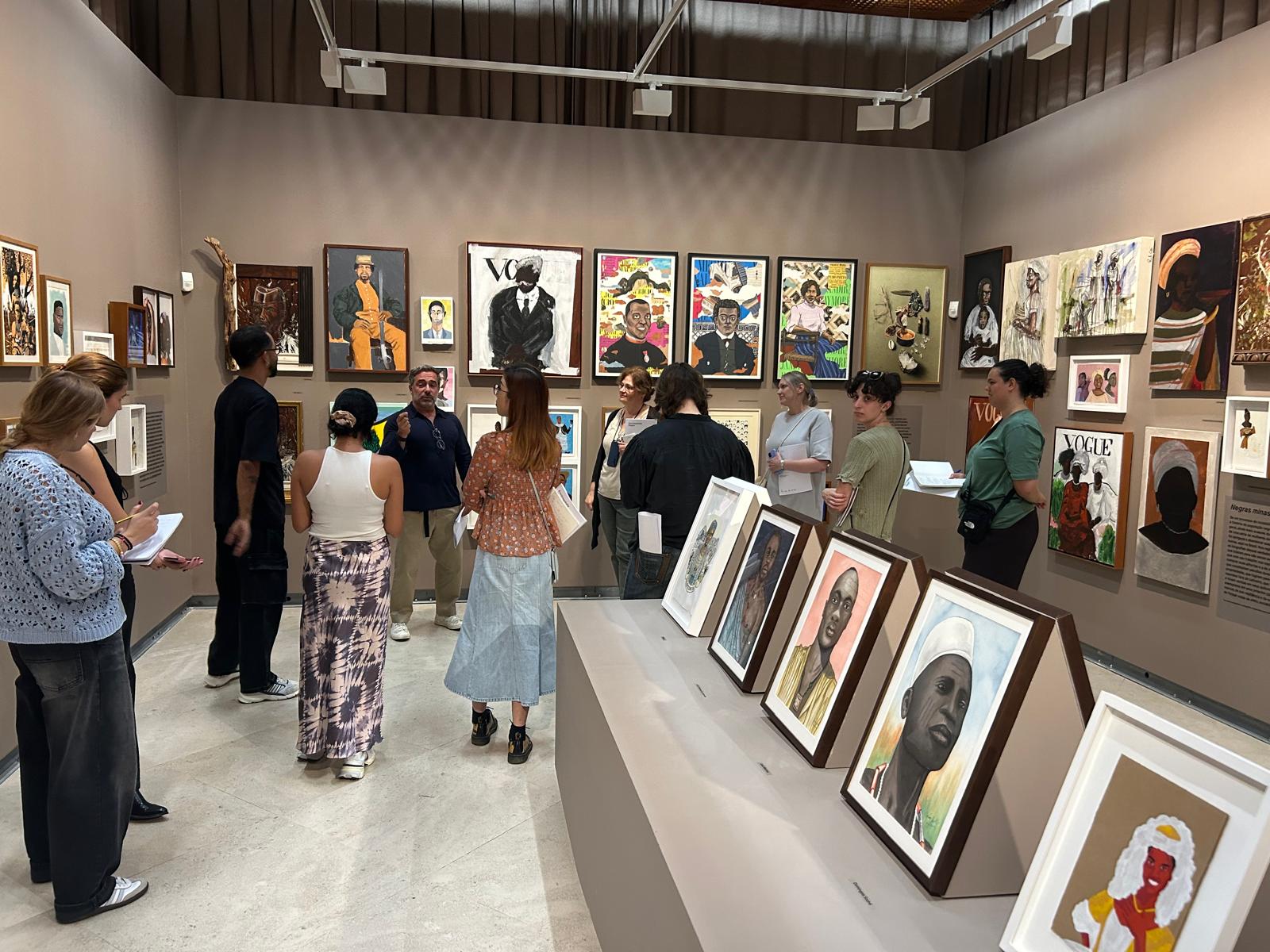
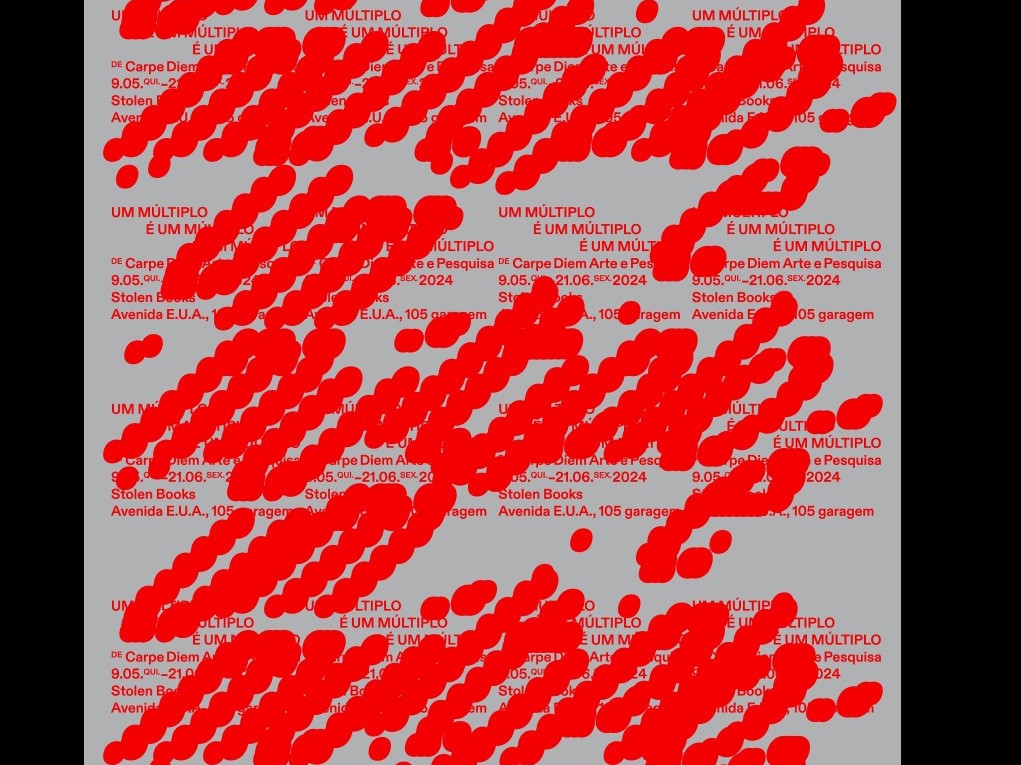
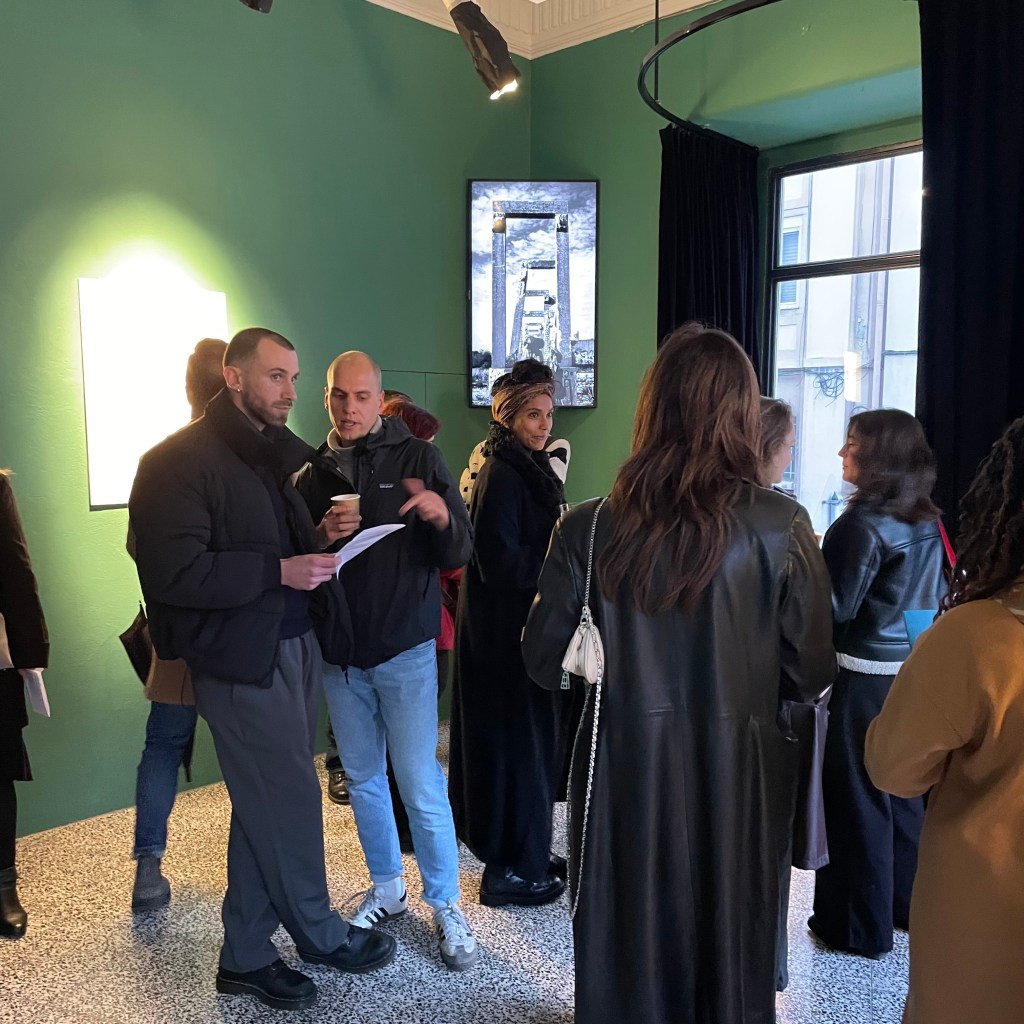
    This spring, from May 9 until June 21, Carpe Diem Arte e Pesquisa (CDAP) presents an exhibition at Stolen Books, Lisbon. Rebecca Panigada and Jente Diepstraten (intern curators at CDAP and students of the MA programme in Culture Studies) invite you to explore part of the vibrant collection of Múltiplos, which encapsulates editions from over 200 artists.

    Um múltiplo é um múltiplo é um múltiplo (inspired by Gertrude Stein’s line Rose is a rose is a rose is a rose in the 1913 poem Sacred Emily) focuses specifically on artworks that were included in the Múltiplos collection via the Arte Jovem call for artists. Arte Jovem is a national event that provides first-year visual arts students with a platform to present their art and gain recognition professionally in the art world. As part of this, the selected artists are invited to integrate CDAP’s Múltiplos collection of editions.

    The exhibition not only celebrates the creativity nurtured by Arte Jovem but also marks nine years since its inception. As we look forward to the 10-year anniversary in 2025, join us in exploring the spirit of Arte Jovem and honoring the many artists and artworks that have graced the event over the years. We look forward to seeing you at the opening of  Um múltiplo é um múltiplo é um múltiplo on May 9 from 18:00 to 20:00!

  • Master’s degree in Culture Studies #2 in the world in Eduniversal ranking

    Master’s degree in Culture Studies #2 in the world in Eduniversal ranking

    Our Master’s degree in Culture Studies is now the second best program in “Cultural Management/Creative Industries Management” according to the prestigious Eduniversal ranking.

    In the words of Isabel Capeloa Gil, Rector of Universidade Católica Portuguesa and director of The Lisbon Consortium, “The Master’s degree in Culture Studies is the result of 14 years of fruitful work between the arts sector and academia at national and international levels. From Lisbon to the Venice Biennale, our students are present in the places where the best in art and culture is presented”.

    Diana Gonçalves, Coordinator of the Master’s in Culture Studies, says that this “is a singular program and a unique experience because it brings together excellent academic reflection and the vibrant practice of the cultural sector. The second place in the Eduniversal ranking in the area of Cultural Management/Creative Industries Management acknowledges the program’s innovative format and recognizes the merit of the Faculty of Human Sciences at Universidade Católica Portuguesa, the Lisbon Consortium, and its partners. We are very proud of this position, which also brings added responsibility. Following our motto, ‘thinking ahead’, we continue to move towards the future, always doing more and better”.

  • Venice is calling..! The Lisbon Consortium Study Trip 2024

    Venice is calling..! The Lisbon Consortium Study Trip 2024

    The Lisbon Consortium is organizing a Study Trip to Biennale Arte 2024 in Venice 21.-25.4. 2024. The program has a special emphasis on the pavilion of Portugal, Greenhouse by Mónica de Miranda, Sónia Vaz Borges and Vânia Gala, and includes visits to the national pavilions of Hãhãwpuá (Brazil), Kosovo, and Finland, as well as the Pinault art collection in Palazzo Grassi and Punta della Dogana. There will also be an opportunity to visit the high-security prison at Giudecca island, where the Holy See pavilion is located this year. More news to follow!

  • Congratulations, Valerie!

    Congratulations, Valerie!

    Valerie Rath successfully defended the MA dissertation “The (De)Constructive Museum. How to Transform the Contemporary Art Museum from a Place of Harming Performed Neutrality to a Place of Honest Care” succesfully on April 12, 2024.

  • Online Reading Group: Postmigrant Studies

    Online Reading Group: Postmigrant Studies

    This new reading group is dedicated to central key texts of recent debates on postmigration in the humanities, especially German studies, Literary and Culture studies, as well as Social sciences and migration studies. With an increasing number of publications on the topic with the buzzword postmigration, there is a growing call for a postmigrant turn in the Humanities. Others even urge for a separate discipline of German Postmigrant Studies with a distinct postmigrant cultural history, art, and intervention practices, as well as literary expressions of postmigrant experiences in Germany. In our weekly meetings, we will step into the developing field of Postmigrant Studies and, through reading and discussion, critically examine both the central themes and the experiences and knowledges of various postmigrant historical continuities and generations in Germany.

    When: Apr 25, 2024, 16h00 to 18h00

    Please send an e-mail to postmigration.gcsc@uni-giessen.de to join the group, receive our first (small) reading and the access code for the online meeting.

    The reading group is organized by Olga Husch (UCP) and Melisa Çiçek  (JLU Giessen). 

  • Congratulations, Joana!

    Congratulations, Joana!

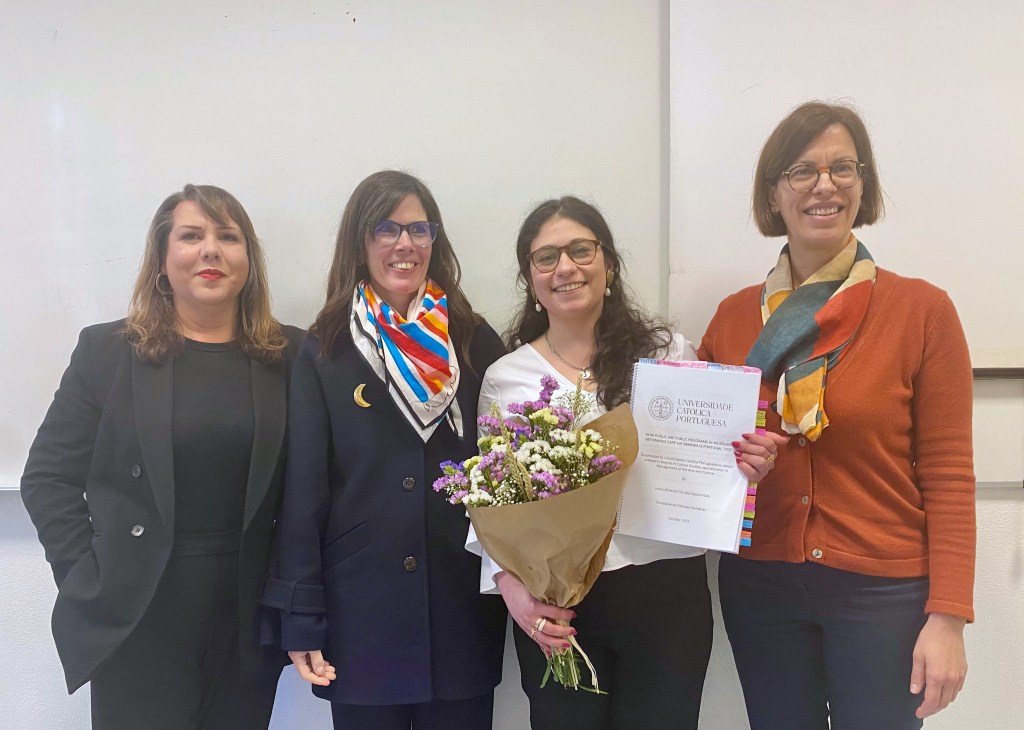
    Joana Flor Rato successfully defended the MA dissertation “How Public are Public Programs in Museums? Rethinking Care via “Jamaika is Portugal too” on April 9, 2024.

  • CfP | Diffractions: ‘You are What you Eat’: On Food, Culture(s), and Identity

    CfP | Diffractions: ‘You are What you Eat’: On Food, Culture(s), and Identity

    The Call for Papers for Issue 10 of Diffractions, ‘You are What you Eat’: On Food, Culture(s), and Identity, is available here: https://revistas.ucp.pt/index.php/diffractions/.

    Deadline for Abstracts: May 15th 2024
    Deadline for Papers: September 30th 2024

    Editors-in-chief: Rissa L. Miller,  Federico Bossone 

    Few sentences can express the significance of food for our being human as concisely and pointedly as ‘You are what you eat’. This saying is found in different languages and could be one of those transversal notions that has existed in some form throughout history. From French gourmand Brillat-Savarin to German philosopher Ludwig Feuerbach, belief in the entanglement of food habits and identity can be observed across time and cultures, in that food constitutes an indispensable aspect of human existence, serving not merely as sustenance but also as a mirror reflecting culture, history as well as individual and collective identities (Shapin 2014, 377). Culinary traditions, rituals, and practices have profoundly influenced how individuals dine, socialize, and forge connections with one another. As a potent medium for expressing cultural identity and safeguarding traditions, food embodies a compelling narrative about humans, encompassing countless social aspects that vary across regions, communities, and even individual households.  

    Food can also be a measure of prestige within a given social order: it can serve as a symbol of power within social hierarchies and status structures. Interestingly, the cultural interpretations of its symbolism are intricate and sometimes conflicting. Claude Lévi-Strauss (1966) delved into this complexity in his culinary triangle, suggesting that boiled food signifies refinement and sophistication compared to roasted food. However, the consolidation of gender roles reversed these associations, as boiled dishes are often linked to familial intimacy and traditionally prepared by women. At the same time, roasted fare is associated with public celebrations and a more masculine domain. Not only have these assumptions shaped gender roles within families, but they have also shaped the male-dominated world of fine cooking in terms of prestige and social status[1].

    Looking at the brighter side, food acts as a unifying force, nurturing a feeling of camaraderie and inclusion among people. Regardless of cultural background, the act of cooking or partaking in a meal carries significant symbolism, deeply intertwined with rituals and ceremonies. Certain dishes are important in religious and cultural contexts and are crafted with utmost respect and attention. These culinary practices frequently serve as a means to pay homage to ancestors and deities alike, commemorate significant life events, and express profound convictions. Beyond nourishment, these traditional foods are vital in transmitting cultural heritage and strengthening familial bonds (Fieldhouse 2013). 

    Patterns of migration significantly shape and sometimes come to define culinary landscapes. Assimilation theories suggest that as individuals adapt to a new culture, there is a corresponding cultural exchange that occurs. This exchange becomes visible when mainstream societies include culinary practices originating from outside ethnic groups who have been excluded from access into the prevailing society – whether previously or currently (Boch, Jiménez, Roesler 2020 64-65). The culinary traditions brought by migrant communities have often been subject to alienation by the mainstream surrounding society, being perceived as unclean or too ‘exotic’. This is the case for Chinese and Italian immigrants who settled in the U.S. starting in the mid-1800s. Up until the 1950s U.S.-American society perceived the “newcomers as barbaric” (Inness 2006, 41) and as not integrated. Nowadays, many of those dishes that were introduced by those communities have become a staple of the mainstream culinary habits of U.S.-Americans. On the other hand, for migrant communities, traditional foods provide a tangible connection to ancestry, recounting historical migrations and cultural interactions. As ingredients, methods and tastes blend, fresh culinary customs develop, fostering lively and evolving food scenes. One example among many, Louisiana’s Creole cuisine history exemplifies this cultural fusion, drawing from French, Spanish, African, and Caribbean culinary legacies to create a uniquely multi-layered and symbolically loaded culinary tradition (Smith 2013, 423). 

    We look forward to receiving contributions addressing these or related questions. Topics include but are not limited to: 

    ●  Culinary Traditions: Delving into the intricate tapestry of traditional food practices, rituals and customs within specific cultural contexts, as evidenced in literature and various cultural artifacts.

    ● Food and Identity: Investigating how food shapes both individual and collective identities, from the culinary memoirs of immigrant communities to its symbolic significance. 

    ● Representations of Food in Media and Literature: Analyzing depictions of food across different forms of media – the arts, literature, film, television – and their influence on cultural perceptions and practices.

    ● Globalization and Food Cultures: Examining the ramifications of globalization on culinary traditions, including the dissemination of cuisines, culinary fusion, and the commercialization of food in today’s fast-paced world.

     ● Food and Power: Scrutinizing the complex dynamics of foodways, especially in relation to social inequalities and justice as portrayed through literature and cultural narratives. How do gender, race, and class impact culinary heritage? Who decides what is ‘palatable’? 

    ● Food Rituals: Exploring the deep-rooted significance of food-related rituals, festivals, and ceremonies as reflections of cultural values and beliefs, as depicted in arts, literature and/or liturgy. 

    ●  Food’s Role in Memory and Heritage: Investigating how food shapes personal and collective memory, nostalgia, and cultural heritage, as seen through literary reminiscences and historical narratives. 

    ● Food and the Climate Crisis: examining the environmental footprint of food production and consumption practices and exploring cultural responses to sustainability challenges through literature and cultural representations. 

    ● Food and Health: the intersections of food culture, nutrition, and public health policies, as portrayed in literary works and cultural discourses. 

    Submission and review process 

    Abstracts will be received and reviewed by the Diffractions editorial board who will decide on the pertinence of proposals for the upcoming issue. Authors of accepted abstracts will be invited to submit a full article. However, this does not imply that these papers will be automatically published. Rather, they will go through a peer-review process that will determine whether papers are publishable with minor or major changes, or if they do not fulfill the criteria for publication.  

    Please send abstracts of 150 to 250 words and 5-8 keywords as well as a short biography (100 words) by MAY 15th, 2024, to info.diffractions@gmail.com with the subject “Diffractions 10”, followed by your last name.  

    The full papers should be submitted by SEPTEMBER 30th, 2024, through the journal’s platform: https://revistas.ucp.pt/index.php/diffractions/about/submissions.   

    Every issue of Diffractions has a thematic focus but also contains a special section for non-thematic articles. If you are interested in submitting an article that is not related to the topic of this particular issue, please consult  general guidelines available at the Diffractions website at https://revistas.ucp.pt/index.php/diffractions/about/submissions. The submission and review process for non-thematic articles is the same as for the general thematic issue. All research areas of the humanities are welcome. 


    [1] A survey by the US Bureau of Labor Statistics has shown that 81.5% of head-cooks and chefs in the US were

    male in 2008. As of 2023, the percentage of women employed as head-cooks or chefs increased by only 4,8%

    (23,3%). (https://www.bls.gov/cps/cpsaat11.htm and Carolan 2012, 298).

    Bibliography 

    Boch, Anna, Jiménez, Tomás, and Roesler, Katharina. 2021. “Mainstream Flavor: Ethnic Cuisine and Assimilation in the United States.” Social Currents, 8 (1), 64-85. 

    Carolan, Michael. 2012. The Sociology of Food and Agriculture. Florence: Taylor & Francis Group.  

    Fieldhouse, Paul. 2013. Food and Nutrition: Customs and culture. Dordrecht: Springer. 

    Inness, Sherrie A. 2006. Secret Ingredients. Race, Gender, and Class at the Dinner Table. New York: Palgrave Macmillan. 

    Lévi-Strauss, Claude. 2008. “The Culinary Triangle.” In Carole Counihan and Penny Van Esterik (ed.). Food and Culture: A Reader. (2nd ed.). New York: Routledge, 36–43.Originally published as: Lévi-Strauss, Claude (1966). “The Culinary Triangle.” The Partisan Review 33, 586–96. 

    Shapin, Steven. 2014. “‘You Are What You Eat’: Historical Changes in Ideas about Food and Identity.” Historical Research 87, 377-392. 

    Smith, Andrew F. 2013. Food and Drink in American History: A “Full Course” Encyclopedia. Volume 1. Santa Barbara: ABC-CLIO. 
  • AYNI | Igor Jesus: Time Machine (2023) Galeria Antecâmara 28.3. 18h

    AYNI | Igor Jesus: Time Machine (2023) Galeria Antecâmara 28.3. 18h

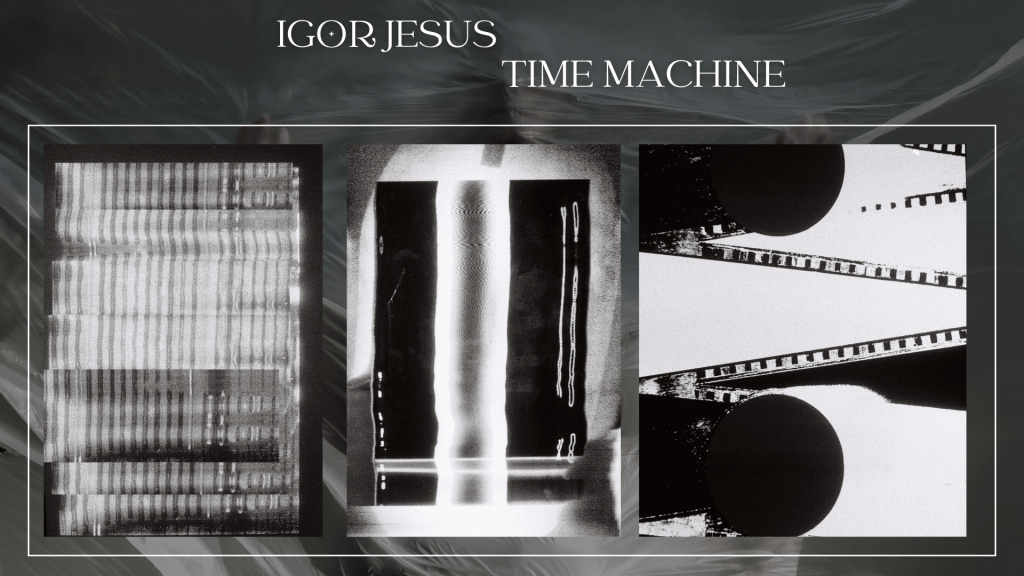
    We would like to invite you to the fifth installation of Ayni: Theorems of Reciprocity, the multi-media installation Time Machine (2023), by Igor Jesus. This installation integrates photography, movement, interactive sound, and radio elements and will premiere at Galeria Antecâmara, on the 28th of March 2024, from 6 p.m.  Join us as we watch Time Machine transition from day to night.

    Presented at Antecamara starting on the 28th March to 4th May 2024, Igor’s Time Machine explores philosophical perspectives that give priority to human-centric views of reality. Consistent with Igor practice, the exhibition highlights that creativity and artistic expression have the special power to make visible what is invisible.The work, in conversation with the physical space of the here and now, also pulsates with dynamic sound and visual effects, offering a sensory journey that extends beyond the boundaries of the gallery space.

    Time Machine builds on Igor Jesus’s previous works, including Poem of Fire (2021), where he blended classical and electronic music together with light and astrological activity. Inspired by the unfinished work of Russian composer Alexander Scriabin (1871–1915), Poem of Fire explored the modeling of sound after the visual, using a NASA database to translate solar pulses into song. Lastly, by framing the piece’s multisensory elements within Galeria Antecâmara, one can imagine Jesus’s narrative infusing the hollowed spaces of the building’s architecture, while also, due to the space’s exhibitionism-ready windows, extending beyond the confines of the gallery.

    Igor Jesus lives and works in Lisbon and has a degree in Sculpture from the Faculty of Fine Arts of the University of Lisbon. In 2013, he won the first prize in the ICA (Institute of Cinema and Audiovisual) competition for the making of short films. Igor most recent group exhibitions include: HangarOut – EntreLinhas, Palácio Marquês de Abrantes (2017), 2016 Artists’ Film International (at MAAT, Lisbon, Whitechapel Gallery, London, Istanbul Modern, Turkey, GAMeC – Galleria d’Arte Moderna e Contemporanea di Bergamo, Italy, and Projecto 88, Mumbai, India).

    Curated by PhD and MA Students in Culture Studies at The Lisbon Consortium, Universidade Católica Portuguesa: Teresa Weinholtz, Aishwarya Kumar, Rosalind Murphy, Ida Svee and Joana Nóbrega. In the framework of the seminar in Curatorial Practices, coordinated by Luísa Santos. Support: República Portuguesa – Cultura | DGARTES – Direção-Geral das Artes.

    Learn more about the project on AYNI website and instagram.

  • Congratulations, Leonor!

    Congratulations, Leonor!

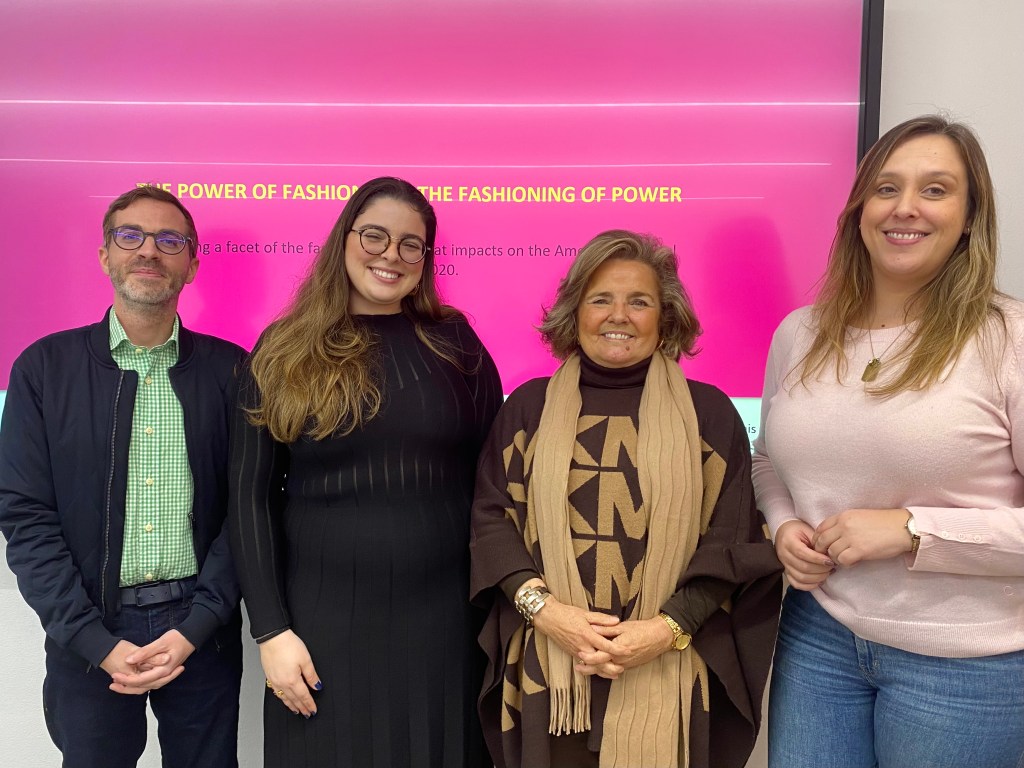
    Leonor Loureiro successfully defended the MA dissertation “The Power of Fashion and the Fashioning of Power” on March 1, 2024.

  • Culture at War – Deadline for submissions March 14!

    Culture at War – Deadline for submissions March 14!

    CULTURE AT WAR

    Lisbon, June 24 – 29, 2024

    We are living in times of war. Now, more than ever, war occupies a central role in both national and international affairs and pervades various spheres of our societies and cultures. 

    The 21st century has been marked by violence of different varieties and levels. Having started with a massive terrorist event, the attacks of September 11, 2001, the last two decades have witnessed many examples of aggression that have come to dominate both the media and public discussion. Acts of terrorism of various kinds, revolutions and wars, with the conflicts in Ukraine and the Middle East among the most recent, are illustrative of contemporary warfare, its characteristics, and challenges. While new military technology such as high-tech weapons and attack drones promote more remote, noncontact operations, the ever-present media strive for immediacy and proximity and thus contribute to a new and distinctive experience of war. Their continuous, play-by-play coverage promotes the illusion of a 360º view and allows audiences to follow the events in near-real time. However, their omnipresence has also turned them into desirable instruments of warfare. They not only inform about the war but also have the ability to mobilize for/against it. Furthermore, the rise of social media and its pivotal role in both documenting conflicts and generating and disseminating misinformation cannot be disregarded. As military conflicts unfold, a parallel war is also fought between communication mechanisms. It can even be argued, with Paul Virilio (War and Cinema, 1989), that war, or its experience, is becoming increasingly a product of visual media construction.

    Wars are not circumscribed to military conflicts, though. Contention has become an intrinsic part of everyday life, leading to social and cultural movements that call out misguided practices, injustices, and violations of basic laws and rights. On the one hand, bottom-up mobilizations such as #MeToo, the gilets jaunes, or Fridays for Future, reveal a world in crisis, responding to systemic violence with dissent. On the other hand, the dismantling of structures of oppression by means of decolonizing processes clashes with the incapacity to effectively deal with past wrongdoings and the tendency to forget or avoid uncomfortable discussions. These movements may, at times, also represent a dynamic of destruction based on the collective readiness to criticize, denounce, hold accountable, and ultimately cancel what or who is considered to have behaved in an unacceptable way. 

    This culture of war, of diverging opinions and interests, extends also to the relationship between man and nature, and more specifically the ongoing environmental emergency. One rhetorical device used to stress the escalating effects of climate change is precisely the war metaphor (employed also in the context of the COVID-19 pandemic). The use of military language and the idea of a war against climate change, widely used in public speeches and in the media, is meant to spark a fighting spirit and incite action. There is, however, the risk of having the opposite effect if the enemy remains abstract, the message is not made understandable, and governments and individuals fail to take responsibility for the current situation. 

    The XIV Lisbon Summer School for the Study of Culture is dedicated to the study of the relationship between culture and war. Papers are welcome on the following topics, amongst others:

    • Culture and conflict 
    • Ancient and modern warfare 
    • Culture in modern warfare
    • War and the creation of modernity
    • The cultural construction of terror/terrorism
    • Rules of war and humanitarian law
    • The ethics of war
    • The forensics of war
    • Rituals of the fallen
    • Battlefields and landscapes of war
    • Media and war, media at war: (mis)communication, (mis)information, and fake news 
    • Representations of war 
    • Art and artists at war
    • Art and reparations
    • (De)Colonizing discourses and practices/asymmetric conflict
    • Conflict escalation and conflict resolution 
    • Cultural wars and language
    • Dialogue and tolerance/Soliloquy and intolerance 
    • Culture of violence 
    • Warrior culture: between heroes and villains 
    • War as metaphor 
    • Environmental emergency and war against climate change 
    • War-induced uncertainty and instability 
    • Epistemologies at war/theories at war

    We encourage proposals coming from the fields of culture studies, film and the visual arts, literary and translation studies, history, anthropology, media, and psychology, among others.

    Paper proposals

    Proposals should be sent to lxsummerschool@gmail.com no later than than February 29 March 14, 2024, and include paper title, abstract in English (max. 200 words), name, e-mail address, institutional affiliation, and a brief bio (max. 100 words) mentioning ongoing research.

    Applicants will be informed of the results of their submissions by by March 29 April 8, 2024.

    Full papers submission

    Presenters are required to send in full papers no later than May 31, 2024.

    The papers will then be circulated amongst the participants. In the slot allotted to each participant (30’), only 10’ may be used for a brief summary of the research piece. The Summer School is a place for networked exchange of ideas, and organizers wish to have as much time as possible for a structured discussion between participants. Therefore, in each slot, 10’ will be used for presentation, and 20’ for discussion.

    Registration fees

    Participants with paper – 300€ for the entire week (includes lectures, master classes, doctoral sessions, lunches and closing dinner)

    Participants without paper – 60€ per day (lunches and closing dinner not included)

    Fee waivers

    For The Lisbon Consortium students and CECC researchers, there is no registration fee.

    For other UCP students, students from institutions affiliated with the European Summer School in Cultural Studies (ESSCS), members of the European PhD-Net in Literary and Cultural Studies, and members of the Critical Humanities Network the registration fee is 80€.

    This edition of the Lisbon Summer School for the Study of Culture will function as the 2024 Critical Humanities Network Summer School.

    Organizing Committee

    • Isabel Capeloa Gil
    • Peter Hanenberg
    • Alexandra Lopes
    • Adriana Martins
    • Diana Gonçalves
    • Paulo de Campos Pinto
    • Rita Faria
    • Annimari Juvonen

    Assessment Committee

    • Peter Hanenberg
    • Alexandra Lopes
    • Adriana Martins
    • Diana Gonçalves
    • Paulo de Campos Pinto
    • Rita Faria
    • Ana Margarida Abrantes
    • Luísa Leal de Faria
    • Joana Moura
    • Rita Bueno Maia
    • Verena Lindemann Lino
    • Sofia Pinto
    • Luísa Santos
  • AYNI | An Experiment in Intervals III – Violet Desert by The Third Thing, 7.3.-23.3. Antecâmara

    AYNI | An Experiment in Intervals III – Violet Desert by The Third Thing, 7.3.-23.3. Antecâmara

    The opening of the exhibition installation An Experiment in Intervals III – Violet Desert by The Third Thing will take place on March 7, 2024, at 18h

    The Third Thing (PT/AUS) is an arts-based research collaboration between Nithya Iyer and Vlad Mizikov. It seeks to investigate experimental methodologies in the negotiation, actualisation and instrumentalisation of the body in spatial territories. Opening at Antecâmara on the 7th of March, An Experiment in Intervals III – Violet Desert (2022) reads the site of the industrial park in Barreiro, Portugal, through the lens of ‘monstrous architecture’. When the live, attentive and improvisational body – the phenomenological agent – encounters this territory, an Interval is begun: the multiplicity of futures manifest in the tensile and reflexive passage of a body leaking through space-time.

    Curated by MA and PhD Students in Culture Studies: Silvia Laurelli, Hannah Dörfel, Anna Salvi, Inés Solustri and María Moreno Navarro.

    You can find more information about the project at AYNI instagram and website.

  • Congratulations, Samuel!

    Congratulations, Samuel!

    Samuel Miller successfully defended the MA dissertation “Ordinary Language and the Spirit of Criticism: Reading after Postcritique” on February 23, 2024.

  • Book Launch | Sarah Nagaty — The Collective Dream: Egyptians Longing for a Better Life 26.02. 18h30

    Book Launch | Sarah Nagaty — The Collective Dream: Egyptians Longing for a Better Life 26.02. 18h30

    The launch of Sarah Nagaty’s book The Collective Dream: Egyptians Longing for a Better Life will take place on the 26th of February at 18h30 in Sala Brasil (Library building, UCP).

    There will also be a roundtable discussion on revolutionary dreams in Latin America and Pan-Arabism with Prof. Peter Hanenberg (CECC), Dima Mohamed (IFILNOVA) and Iyari Martinez (CECC).

    Congratulations, Sarah!

  • Kristine Dizon wins the Banting Postdoctoral Fellowship grant

    Kristine Dizon wins the Banting Postdoctoral Fellowship grant

    We would like to congratulate our PhD alumna Kristine Dizon for obtaining the Banting Postdoctoral Fellowship grant for the research project “Situated Resonances: Poetic-Musical Performances in Critical Contexts and Creative Compositions” at Concordia University. Congratulations, Kristine!

  • AYNI | LANDRA: Fundo na Paisagem (Deep into the Landscape) 15.2. 2024 Antecâmara

    AYNI | LANDRA: Fundo na Paisagem (Deep into the Landscape) 15.2. 2024 Antecâmara

    We’re thrilled to invite you to join us on February 15 at 18:00, in Galeria Antecâmara, for the opening of the A Fundo na Paisagem exhibition, by LANDRA, running till March 1. 

    A Fundo na Paisagem – Deep into the Landscape is a project about life’s unapologetic resilience. In Porto, nestled in the patio of the CCOP, an extraordinary transformation began in August 2022. The artist duo poses a riddle steeped in wonderment: how can a cold cement patio become a vibrant agroforest? In Antecâmara, we will be able to see the different processes behind this transformation, as well as different elements that made the destruction/construction possible. 

    We hope you can join us for the afternoon filled with creativity and conversation. LANDRA, known for their innovative artistic expressions, will be showing the work at the gallery. Galeria Antecâmara, with its captivating ambiance, serves as the perfect meeting place for this unique gathering.

    Should you have any questions or require further information, please do not hesitate to contact us in reply or on instagram. You can also find more information on our website.

  • Congratulations, Beatriz!

    Congratulations, Beatriz!

    Beatriz Varrecoso successfully defended the MA internship report “Immersiveness in Classical Concerts in Historical Sites: The Case of Palácio Nacional de Queluz” on February 9, 2024.

  • 2024-2025 Applications are open!

    2024-2025 Applications are open!

    The applications for masters and doctoral programs are now open.

    Early Bird: January 15 to February 26
    1st phase: February 27 to April 8
    2nd phase: April 9 to May 30

    More information available here.

  • Congratulations, Fabian!

    Congratulations, Fabian!

    Fabian Schmid successfully defended the PhD thesis “Sustainability in the Music Festival Industry – The Power of Music to Change Politics?” on January 19, 2024.

  • AYNI | Jabulani Maseko: Goals 18.1. 2024 Hangar

    AYNI | Jabulani Maseko: Goals 18.1. 2024 Hangar

    We would like to invite you to the second installation of Ayni: Theorems of Reciprocity, the projection of “Goals”, a video performance piece by Jabulani Maseko, followed by a roundtable talk with the artist and the curators. It will take place at Hangar on the 18th of January 2024, from 7 p.m.  

    The event will be the second installation of the Ayni: Theorems of Reciprocity project, which is a set of five project rooms at Brotéria, HANGAR, Antecâmara, and Universidade Católica Portuguesa that will feature works by Rita Ferreira, Jabulani Maseko, LANDRA – Sara Rodrigues and Rodrigo Camacho, The Third Thing – Nithya Iyer and Vlad Mizikov, and Igor Jesus.

    Presented at Hangar, in January 2024, Maseko’s video installation Goals (2018) takes center stage. This ten-minute piece unfolds against a winter-landscape in Switzerland, capturing Maseko’s struggle as he pushes a goalpost from one side of the frame to the other. The video cleverly plays with the idiomatic expression “moving the goalpost”, embodying a physical and metaphorical push, reflecting the artist’s journey to redefine boundaries and test the limits of the body. This work also reaffirms the artist’s way of working, which often reflects where he is geographically at any given moment. Following the screening of Goals, the evening transitions into an interactive conversation with Maseko. The talk delves into the overarching theme of the body in his work, exploring its recurrence and significance in his broader artistic portfolio. A unique exploration of the body as a site of contradictory emotions and states is promised, threading the narratives of both personal and collective memory, and offering visitors an engaging and reflective experience.

    Jabulani Maseko, born in Apartheid South Africa in 1977, was the first black student at Redhill, a private school for white children at the time. He left the country at 18, coinciding with the collapse of the regime. His pursuit of higher education led him to the UK, where he earned a master’s degree at the Slade School of Fine Art in London. Maseko’s works have graced group and solo exhibitions across the United States, Europe, and Africa. Maseko’s creative arsenal, which spans sculpture, drawing, painting, installation, and performance, often gravitates towards materials rich with meaning from his childhood in Apartheid South Africa. His works delve into the collective black experience throughout history- a history based on the black body in conflict with society and ultimately in conflict with itself.

    Curated by students of the MA and PhD programmes in Cultural Studies, The Lisbon Consortium, Universidade Católica Portuguesa, in the framework of the seminar in Curatorship, coordinated by Luísa Santos. Support: República Portuguesa – Cultura | DGARTES – Direção-Geral das Artes.  

    Learn more about the project on our website, and our Instagram @ayni_theoremsofreciprocity.