
Author: lisbonconsortium

  • Isabel Capeloa Gil receives honorary Doctor degree

    Isabel Capeloa Gil receives honorary Doctor degree

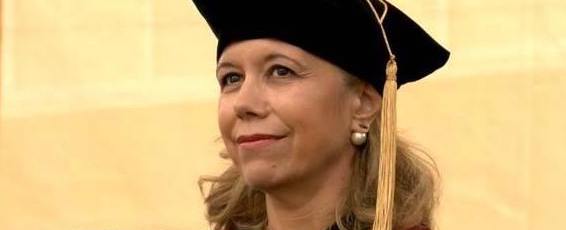
    Isabel Capeloa Gil, Rector of Universidade Católica Portuguesa and Director of the Lisbon Consortium, received today an honorary Doctor of Humane Letters degree from Boston College.

    The Lisbon Consortium congratulates Isabel Capeloa Gil for her honorary degree and inspiring Commencement Address.

    “Remember, we are the stories we tell. […] Take charge of your narrative”
    Isabel Capeloa Gil at Boston College’s 143rd Commencement Exercises in Alumni Stadium on May 20
  • FCH Open Sessions | MA in Culture Studies

    FCH Open Sessions | MA in Culture Studies

    Thursday, May 23 | 6.00pm | Room Sociedade Científica (library building)

    Get to know the Lisbon Consortium and the MA Program in Culture Studies (in English).

  • Finissage & Catalogue Presentation “The Eyes Listen”

    Finissage & Catalogue Presentation “The Eyes Listen”

    The  finissage and presentation of the catalogue of the exhibition “Os Olhos Escutam-The Eyes Listen” will take place on May 16, at 5pm, at Universidade Católica Portuguesa (Galeria Fundação Amélia de Mello).

    The presentation will be followed by the Performance “Aplauso-Applause” with Tomás Cunha Ferreira, David Louis Zuckerman and Marcos Barbosa.

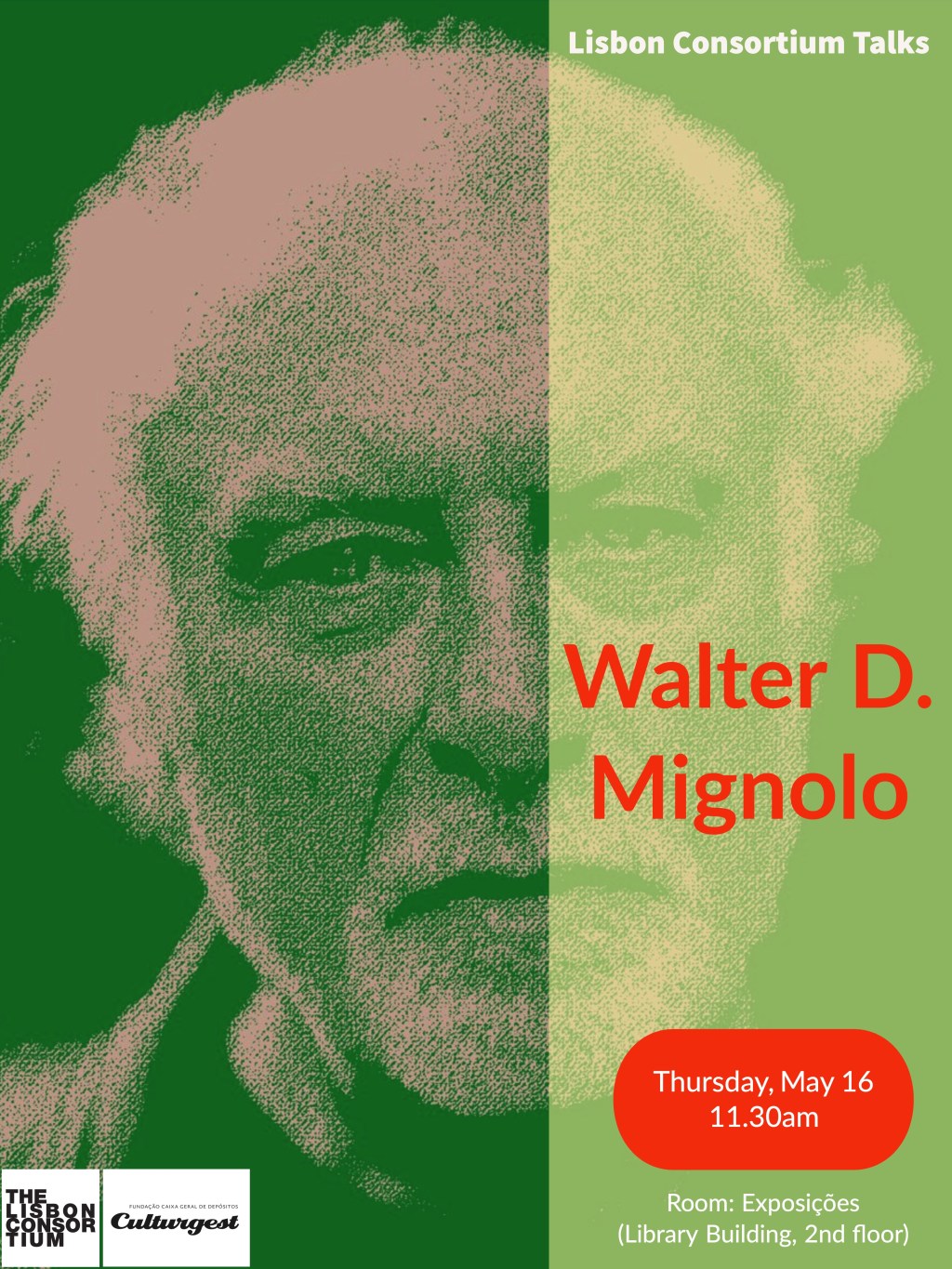
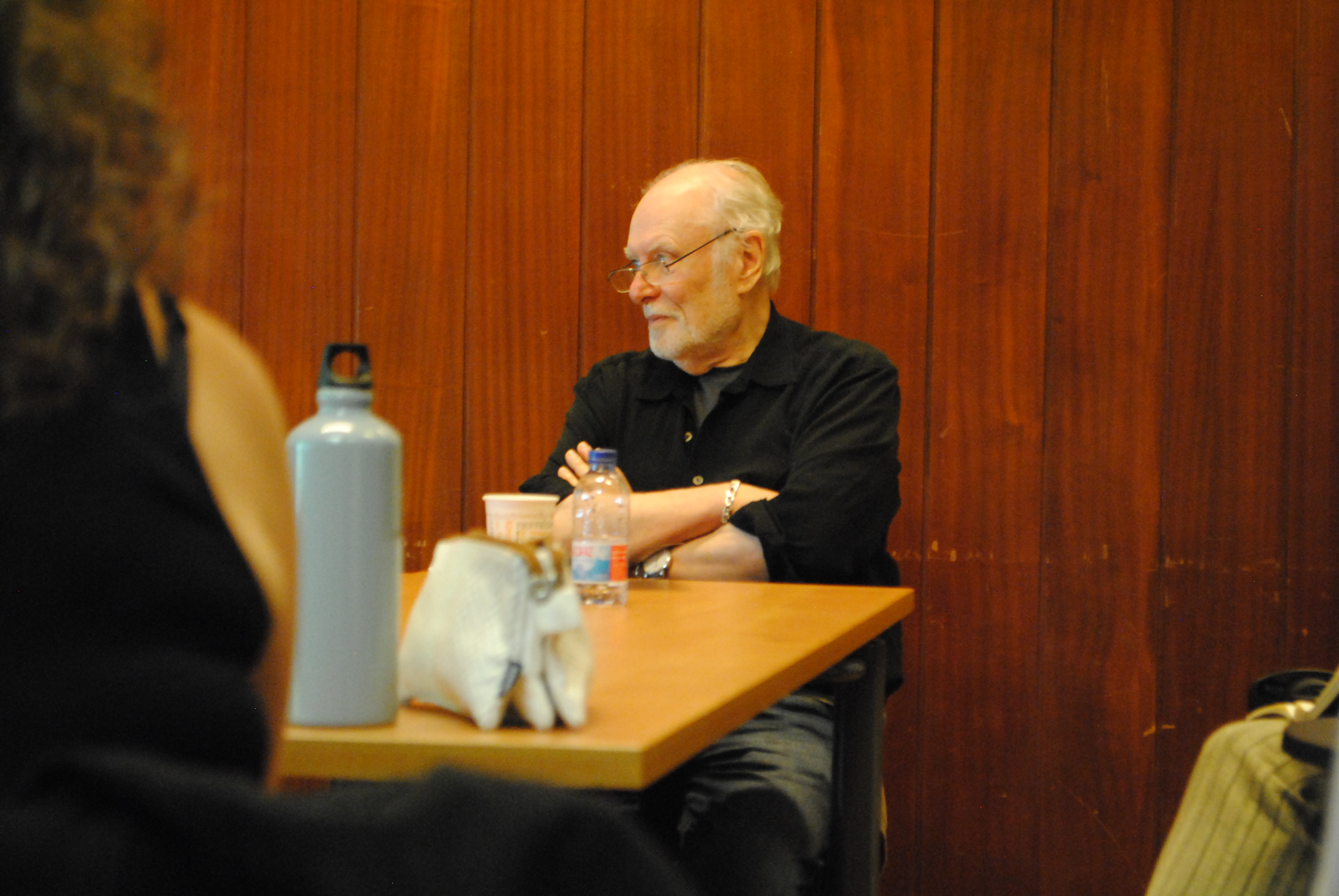
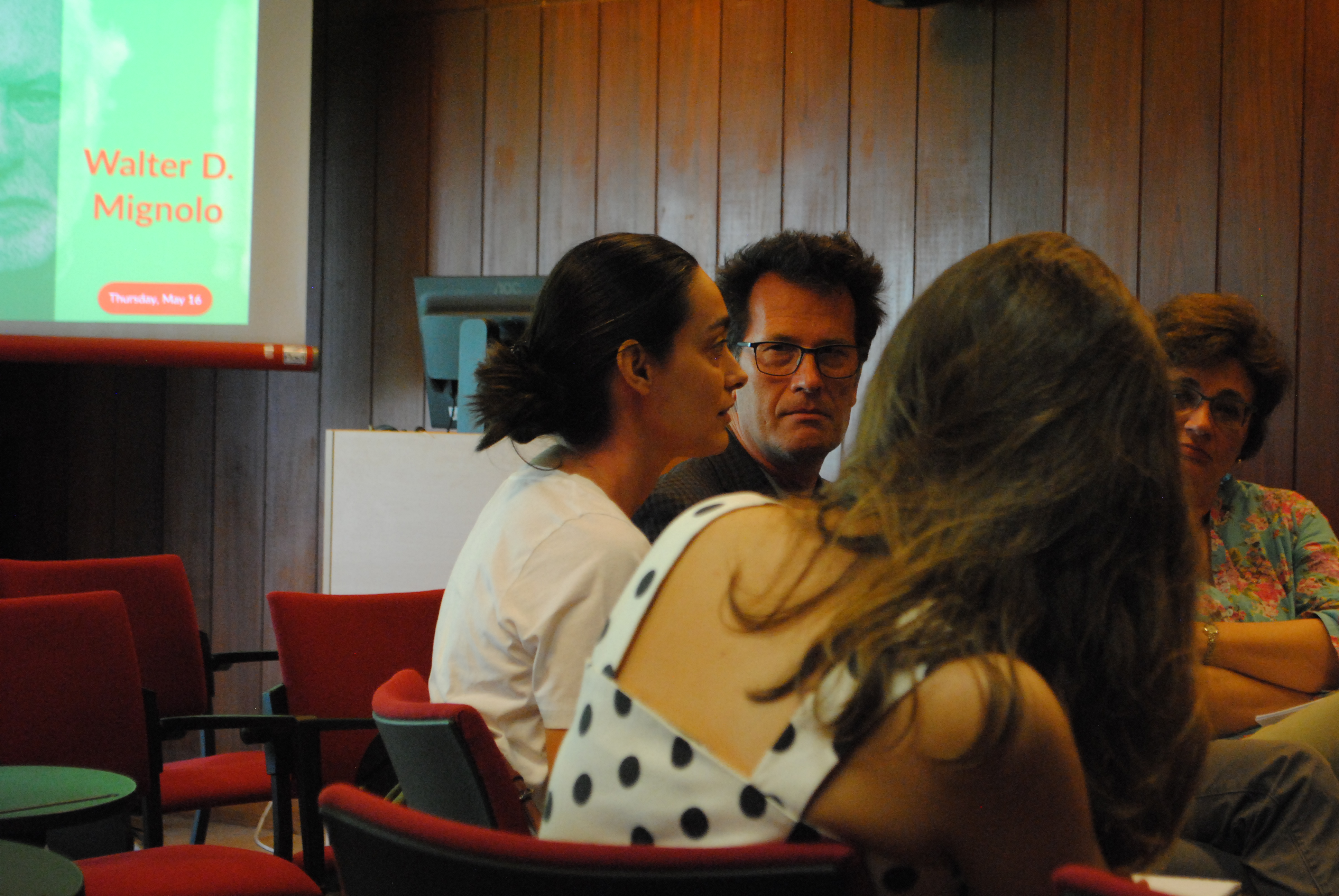
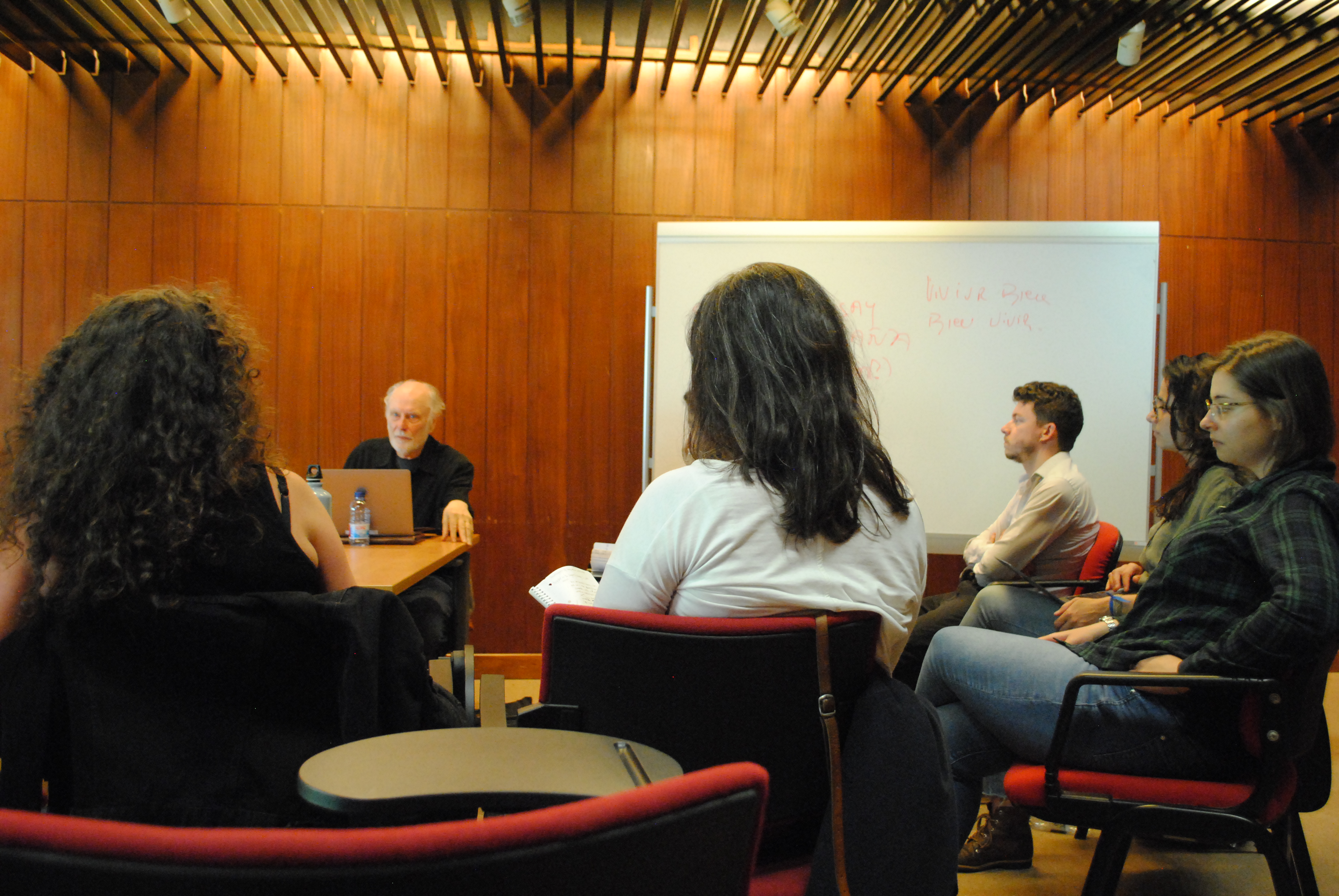
  • LxC Talk – Walter D. Mignolo

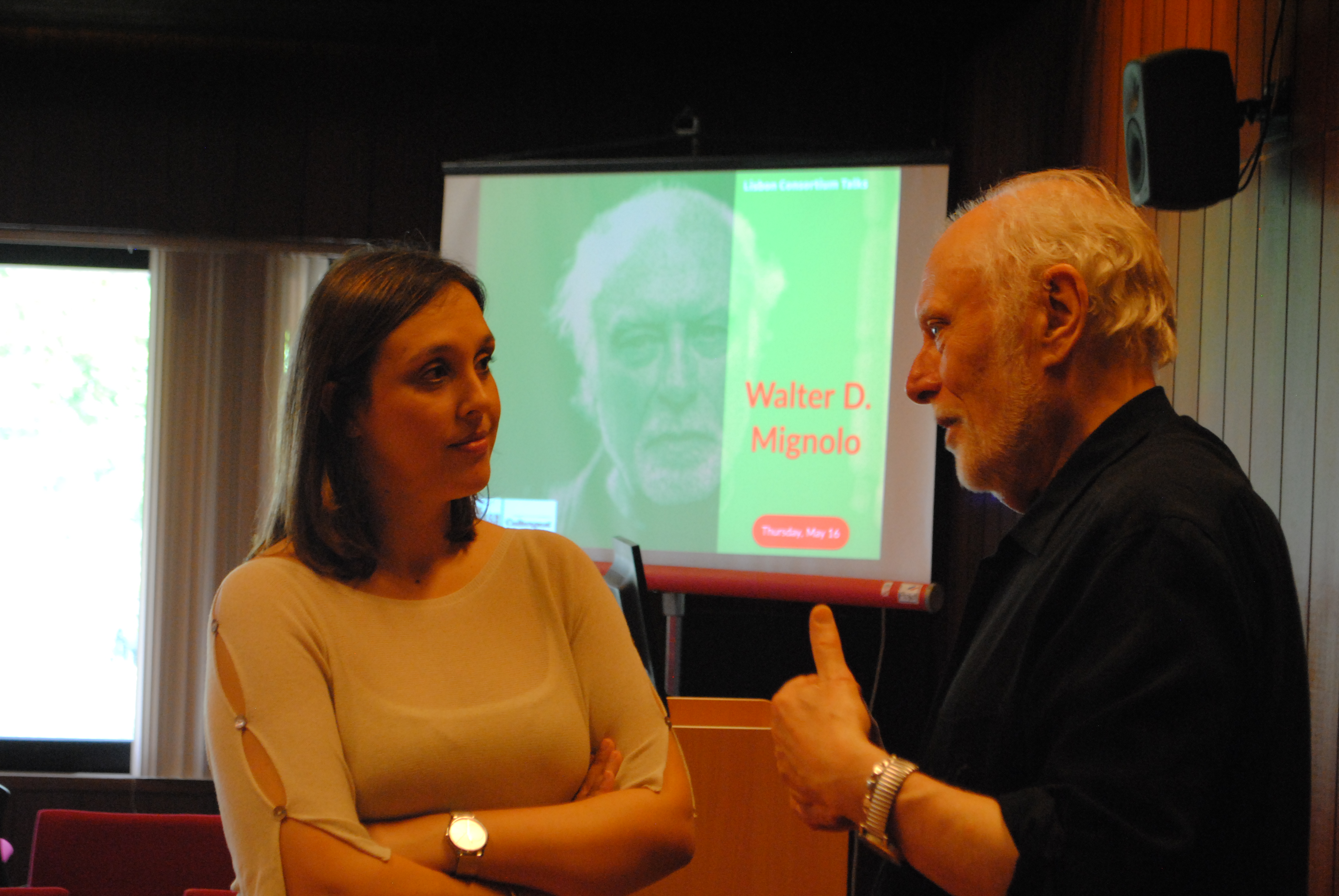
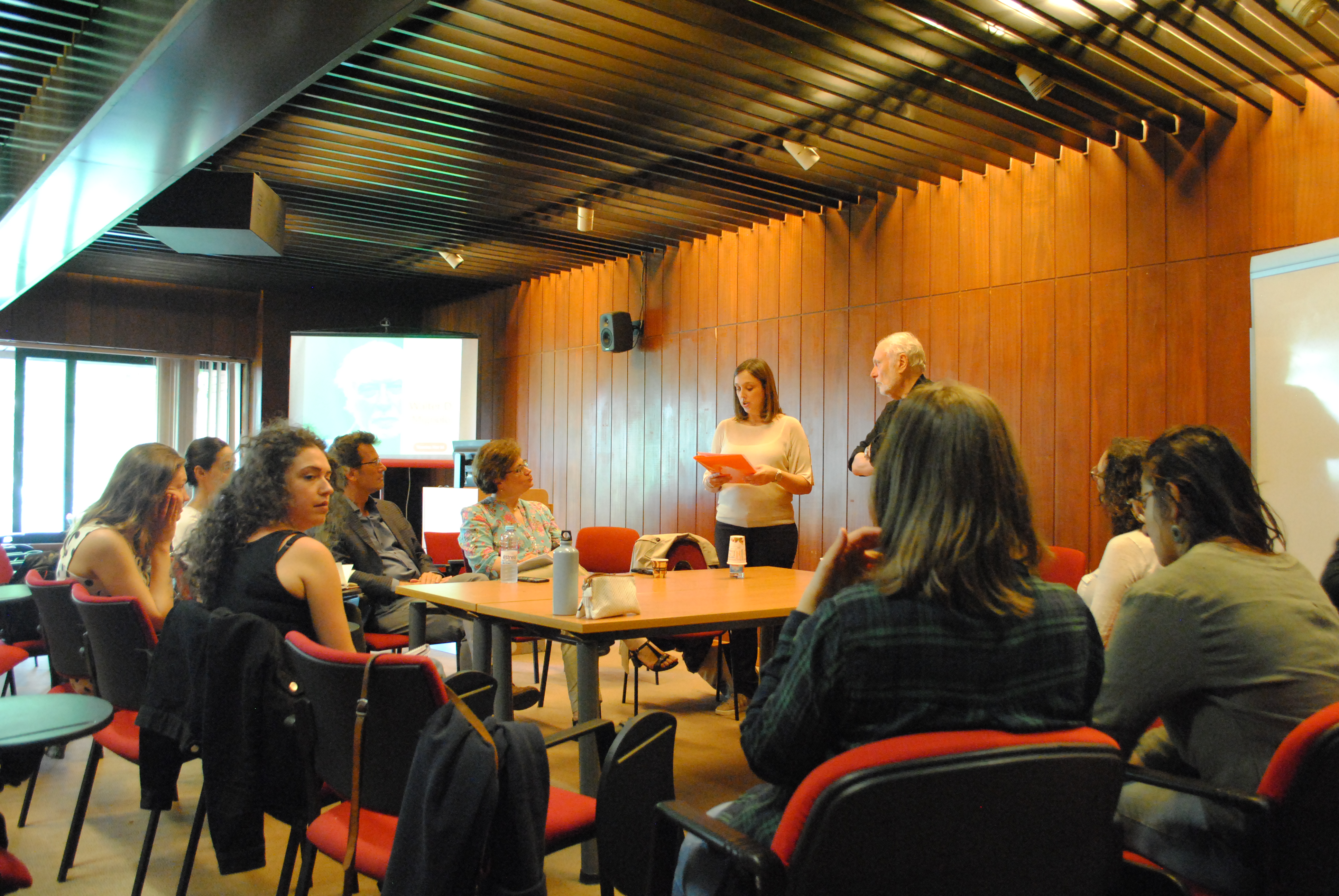
    LxC Talk – Walter D. Mignolo

    Thursday, May 16 | 11.30am | Room Exposições

    Walter D. Mignolo is Director of the Center for Global Studies and Humanities at Duke University (USA). He is William H. Wannamaker Professor of Literature at Duke University (USA) and has joint appointments in Cultural Anthropology and Romance Studies. He has published extensively on semiotics and literary theory, and has in the past years been working on different aspects of the modern/colonial world and exploring concepts such as global coloniality, the geopolitics of knowledge, transmodernity, border thinking, and di/pluriversalities.

    His recent publications include: On Decoloniality: Concept, Analytics, Praxis, co-authored with Catherine E. Walsh (2018),The Darker Side of Western Moernity: Global Futures, Decolonial Options (2011), The Idea of Latin America (2005), Writing Without Words: Alternative Literacies in Mesoamerica and the Andes, co-edited with Elizabeth H. Boone (1994), and The Darker Side of the Renaissance: Literacy, Territoriality, Colonization (1995) which won the Katherine Singer Kovacs prize from the Modern Languages Association. He is also author of Local Histories/Global Designs: Coloniality, Subaltern Knowledges and Border Thinking (1999). 

    Walter D. Mignolo is in Lisbon to give a lecture at Culturgest on “Decoloniality after the Cold War”. The lecture will take place on May 17, at 6.30pm in the Main Auditorium (free entry – please consult Culturgest for more information).


    http://people.duke.edu/~wmignolo/
    http://waltermignolo.com
    https://www.culturgest.pt/en/whats-on/decoloniality-after-cold-war-walter-d-mignolo/

  • Lisbon Consortium Lecture

    Lisbon Consortium Lecture

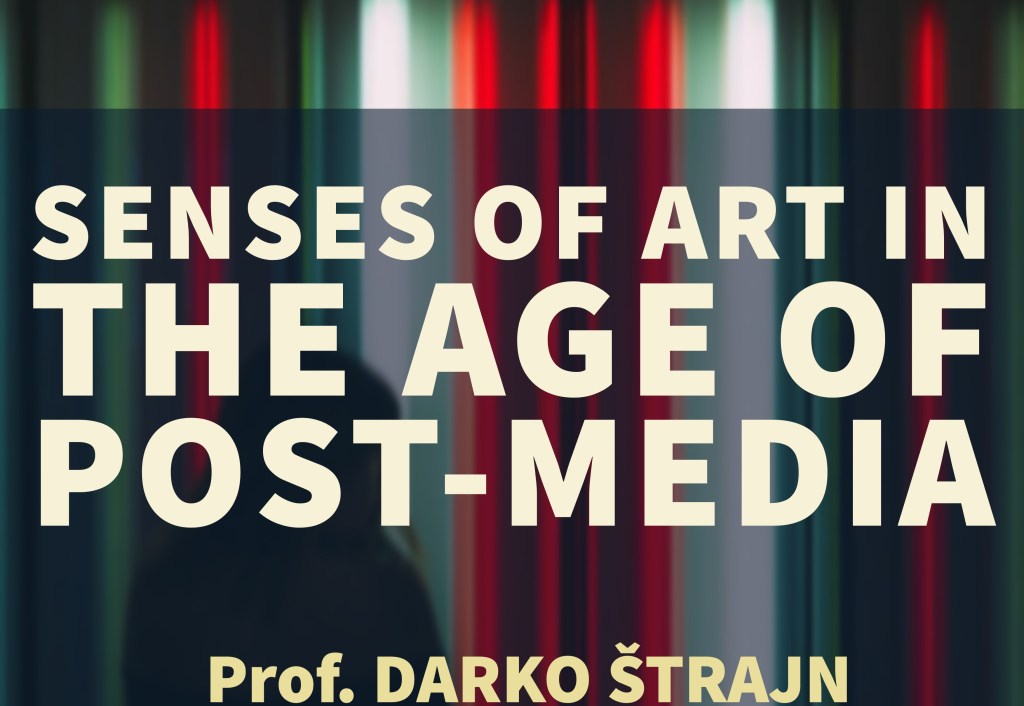
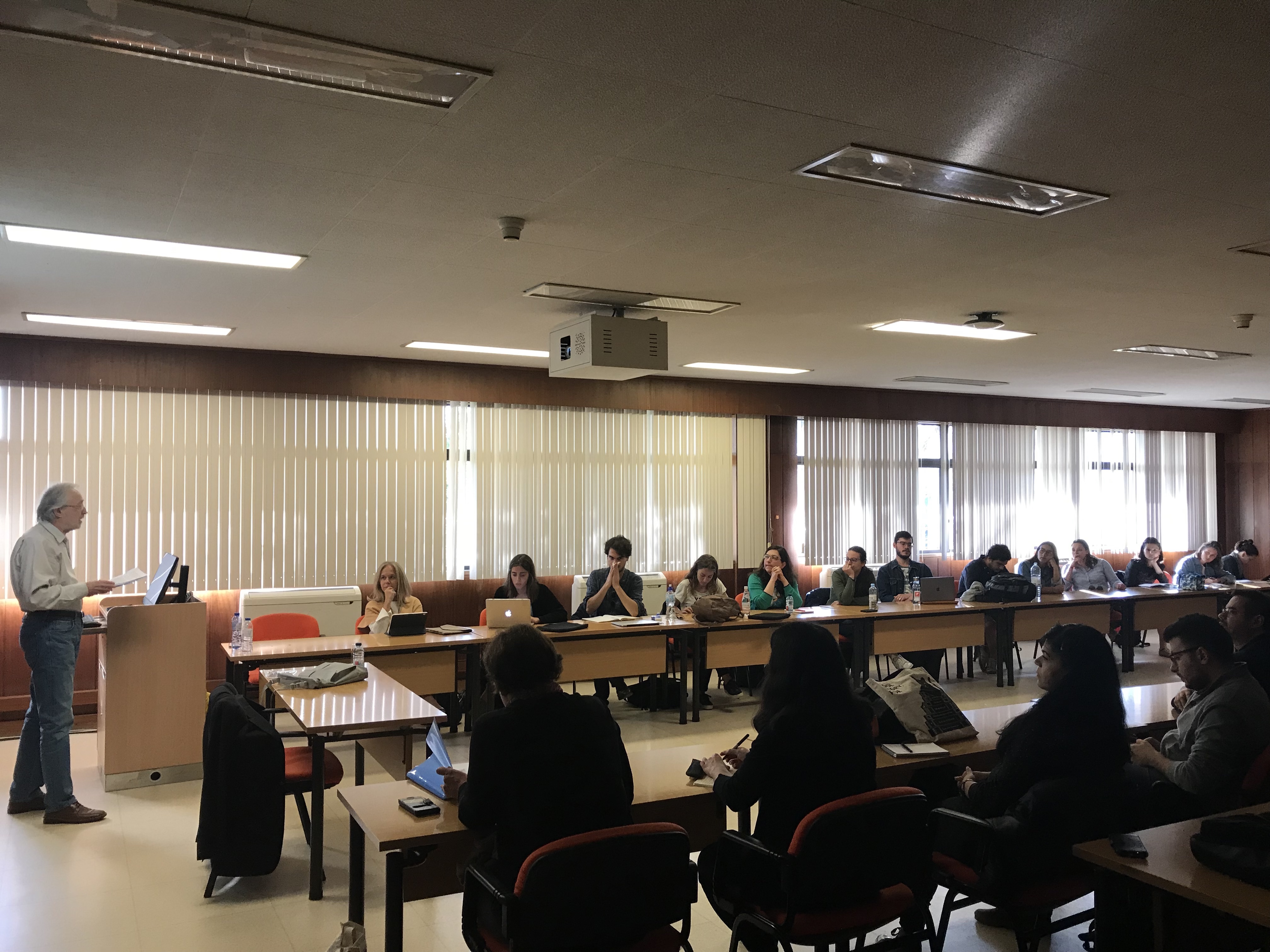
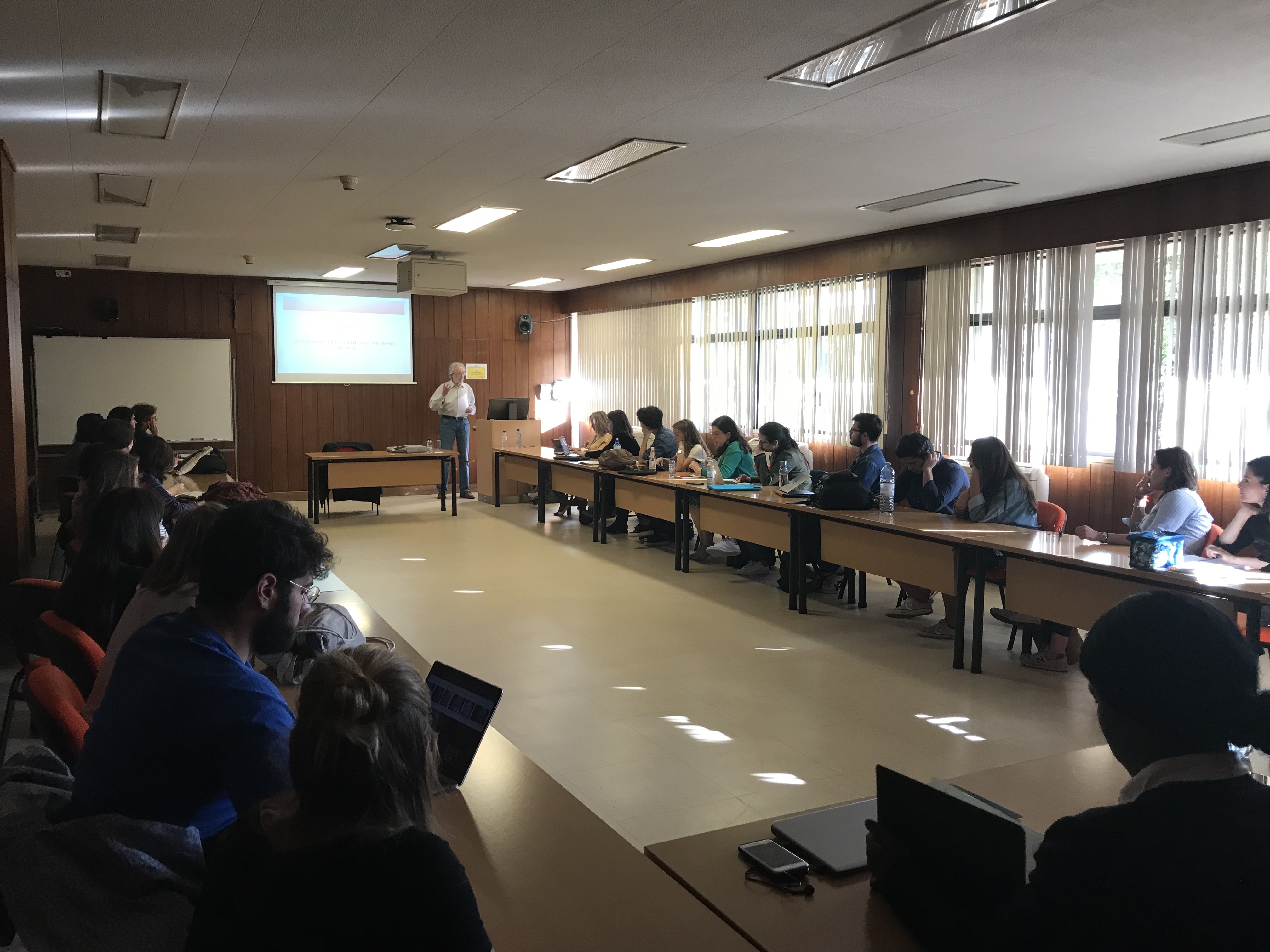
    Lisbon Consortium Lecture Darko Štrajn

    April 30 – 18h30 | Room Descobrimentos Portugueses

    SENSES OF ART IN THE AGE OF POST-MEDIA 

    Since the first obvious indications of the inception of the times of the “end of representation” – as Deleuze pointed out half a century ago – we have to deal with a widespread awareness about the persevering change of art and of reflections about art in the framework of social, institutional and technological contexts. The analysis of interactions, starting with the invention of film/cinema, artistic practice and theory, including aesthetics, highlights the importance of the notions, categories and agencies of movement. The emergence of so-called post-media epoch signals a new decisive change following the one, which was revealed as the overwhelming onset of mass culture and the other that has been marked as the event (Badiou) of the revolution of the 1960s. As the theoretical indecision about the features of an on-going new change seems to be still dominant, the practice of art of any conceivable variety reflects basically the same indecision. The fact that “film” is still the notion, which by and large means moving images, while the digitalization made the material (celluloid) film obsolete, is an elementary metaphor of the process of a vanishing of signifiers, related to the notion of art. However, in a more complex term, the questions about the correlation between form and content are re-emerging in novel configurations as well as the epistemological and ontological problems of aesthetics, concerning the designations of objects of analysis. In these settings the art does not necessarily need to be militant or socially involved to be political, since the categories of truth and reality are destroyed through the mediatic dissipation of notions of subjectivity and objectivity. In the elaboration I am trying to answer what actually is a still undefined change, which, nonetheless, instigates a flawed thinking of a repetition of the transformation of social meanings and effects of modernism from 20th century. Of course, my own answer to the complex question will and cannot be definitive, but what is important is to keep alive a search for an answer about the senses of art in the world operated by the forces of software and neoliberal economy/ideology.  

    Index terms change; digitalization; film; art; mass culture; movement; post-media

  • IX Lisbon Summer School: CFP deadline extension

    IX Lisbon Summer School: CFP deadline extension

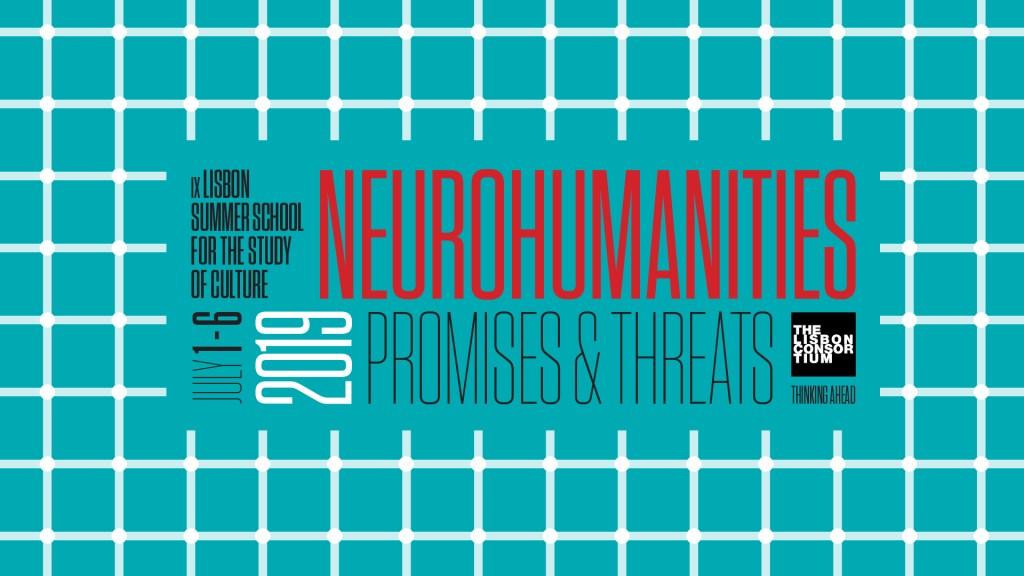
    IX Lisbon Summer School for the Study of Culture

    Neurohumanities

    Promises & Threats

    Lisbon, July 1-6, 2019


    CALL FOR PAPERS

    Deadline extension: March 15, 2019

    When the US government declared the 1990s “The decade of the brain”, it aimed at raising public awareness toward the use of neuroscience for the enhancement of life quality and as a way to better address the challenges of growing life expectancy. The initiative was further supported by substantial research funding, which not only impressed public opinion but appealed to many research fields. Finding a link to brain research and the processes of the human mind, many disciplines were repositioned and adopted the “neuro” prefix, promising new insights into age-old problems by reframing them from the angle of the brain-mind continuum.

    Neuroscience seeks to explain how the brain works and which neurophysiological processes are involved in complex cognitive abilities like sensation and perception attention and reasoning, memory and thought.

    One of the most striking and unique features of the human mind is its capacity to represent realities that transcend its immediate time and space, by engaging complex symbolic systems, most notably language, music, arts and mathematics. Such sophisticated means for representation are arguably the result of an environmental pressure and must be accounted for in a complex network of shared behaviors, mimetic actions and collaborative practices: in other words, through human culture. The cultural products that are enabled by these systems are also stored by means of representation in ever-new technological devices, which allow for the accumulation and sharing of knowledge beyond space and across time.

    The artifacts and practices that arise from the symbolic use, exchange and accumulation are the core of the research and academic field known as the Humanities. The field has been increasingly interested in the latest developments deriving from neuroscience and the affordances they allow about the conditions and processes of the single brain, embedded in an environment, in permanent exchange with other brains in an ecology that is culturally coded.

    This turn of the humanities to neuroscience is embraced by many and fiercely criticized by others. The promise of the Neurohumanities, the neuroscientifically informed study of cultural artifacts, discourses and practices, lies in unveiling the link between embodied processes and the sophistication of culture. And it has the somewhat hidden agenda of legitimizing the field, by giving it a science-close status of relevance and social acknowledgement it has long lacked. Here, though, lies also its weakness: should the Humanities become scientific? Can they afford to do so? Should they be reduced to experimental methodologies, collaborative research practices, sloppy concept travelling, transvestite interdisciplinarity? Is the promise of the Neurohumanities, seen by some as the ultimate overcoming of the science-humanities or the two cultures divide, in fact not only ontologically and methodologically impossible and more than that undesirable? And how will fields like Neuroaesthetics, Cognitive Literary Theory, Cognitive Linguistics, Affect Theory, Second-person Neuroscience, Cognitive Culture Studies or Critical Neuroscience relate to the emerging omnipresence and challenges of Artificial Intelligence?

    The IX Summer School for the Study of Culture invites participants to submit paper and poster proposals that critically consider the developments of the Neurohumanities in the past decades and question its immediate and future challenges and opportunities. Paper proposals are encouraged in but not limited to the following topics:

    • 4E Cognition: embodied, embedded, enacted and extended
    • performance and the embodied mind
    • spectatorship and simulation
    • from individual to social cognition
    • mental imagery
    • empathy
    • memory, culture and cultural memory
    • cognition and translatability
    • mind-body problem
    • life enhancement
    • neuro-power
    • (neuro)humanities and social change
    • AI, cognition and culture

    The Summer School will take place at several cultural institutions in Lisbon and will gather outstanding doctoral students and post-doctoral researchers from around the world. In the morning there will be lectures and master classes by invited keynote speakers. In the afternoon there will be paper presentations by doctoral students.


    Paper proposals

    Proposals should be sent to lxsummerschool@gmail.com no later than February 28, 2019 (new deadline: March 15, 2019) and include paper title, abstract in English (max. 200 words), name, e-mail address, institutional affiliation and a brief bio (max. 100 words) mentioning ongoing research.

    Applicants will be informed of the result of their submissions by March 15, 2019 (new date: April 1, 2019) .

    Rules for presentation

    The organizing committee shall place presenters in small groups according to the research focus of their papers. They are advised to stay in these groups for the duration of the Summer School, so a structured exchange of ideas may be developed to its full potential.

    Full papers submission

    Presenters are required to send in full papers by May 30, 2019.

    The papers will then be circulated amongst the members of each research group and in the slot allotted to each participant (30’), only 10’ may be used for a brief summary of the research piece. The Summer School is a place of networked exchange of ideas and organizers wish to have as much time as possible for a structured discussion between participants. Ideally, in each slot, 10’ will be used for presentation, and 20’ for discussion.

    Registration fees

    Participants with paper – 290€ for the entire week (includes lectures, master classes, doctoral sessions, lunches and closing dinner)

    Participants without paper – 60€ per session/day | 190€ for the entire week

    Fee waivers

    For The Lisbon Consortium students, there is no registration fee.

    For students from Universities affiliated with the European Summer School in Cultural Studies and members of the Excellence Network in Cultural Studies the registration fee is 60€.


    Confirmed Speakers:

    – Semir Zeki (University College London)

    – Fritz Breithaupt (Indiana University)

    – Alexandre Castro Caldas (Universidade Católica Portuguesa)

    – Gonzalo Polavieja (Champalimaud Foundation)

    – Per Aage Brandt (Case Western Reserve University)

    – Peter Hanenberg (Universidade Católica Portuguesa) 

    – Vera Nünning (Heidelberg University)

    – Ana Margarida Abrantes (Universidade Católica Portuguesa)


    Organizing Committee

    • Isabel Capeloa Gil
    • Peter Hanenberg
    • Alexandra Lopes
    • Paulo de Campos Pinto
    • Diana Gonçalves
    • Clara Caldeira
    • Rita Bacelar
  • CALL FOR APPLICATIONS FCT Scholarships

    CALL FOR APPLICATIONS FCT Scholarships

    CALL FOR APPLICATIONS FCT SCHOLARSHIPS

    (2019-2020)


    The International Doctoral Program in Culture Studies at the Lisbon Consortium (INTDCS), funded by the Foundation for Science and Technology (FCT), hereby announces the opening of a call for applications for 6 full scholarships (3 national grants and 3 mixed grants) in the academic year 2019-2020, in accordance with FCT’s Research Fellowship Holder Statute

    (https://www.fct.pt/apoios/bolsas/docs/FellowshipHolderStatute2013.pdf) and FCT’s Regulation for Research Studentships and Fellowships

    (https://www.fct.pt/apoios/bolsas/regulamento.phtml.en).

    The Steering Committee of the Program will be responsible for selecting the candidates who will be awarded the grants. Grant Agreements will be signed directly between the selected candidates and FCT.

    The international PhD program in Culture Studies offers a joint doctoral degree by three top tiered European universities, in Portugal (School of Human Sciences, Catholic University of Portugal), Germany (International Graduate Center for the Study of Culture, Justus-Liebig University Giessen) and Denmark (Department of Arts and Cultural Studies, University of Copenhagen).

    The program speaks to an innovative approach to the study of culture that works across disciplines in the social sciences and humanities and aims at fostering a collaborative research-intensive environment. As part of a tri-national network, students can benefit from up to two semesters at one of the partner institutions.


    SCIENTIFIC FIELD

    Culture Studies


    APPLICATIONS PERIOD

    The period of applications will open on March 1 and run through June 14.


    ELIGIBILITY

    Applicants are eligible provided they have been accepted into the Doctoral Program in Culture Studies of the Lisbon Consortium and comply with the following:

    – National grants: Portuguese citizens or foreign citizens;

    – Mixed grants: Portuguese and EU citizens or foreign citizens who are able to prove habitual or permanent residence in Portugal upon application;

    – Holders of Master’s degree upon application. Foreign Master’s degrees must be recognized/registered.

    For more information, please consult:

    https://www.dges.gov.pt/en/pagina/degree-and-diploma-recognition?plid=1536

    – Very good academic performance;

    – Excellent CV;

    – Sufficient undergraduate training to do graduate work in the chosen field or relevant professional experience;

    – Have not previously received an identical type of FCT-funded fellowship for the same purpose;

    – Competence in English (IELTS 7.0 minimum; TOEFL 100 + minimum 24 in all skills; Cambridge Advanced Certificate B; CEFR C1). Certificate attained in the last 2 years.


    GRANT

    The grant is awarded for a 12-month period, renewable up to a maximum of 4 years, and includes a monthly maintenance stipend and a tuition fee stipend, in accordance with the current FCT stipend scheme (http://www.fct.pt/apoios/bolsas/valores.phtml.en). It does not include application costs or any other expenses. It cannot be awarded for less than 3 consecutive months.

    The performance of duties as a fellowship holder is carried out on an exclusive dedication basis.

    Grants awarded within this call cannot start before September 2019.


    APPLICATIONS

    Applications should be sent by e-mail to lxconsortium@gmail.com or by registered mail to:

    International Doctoral Program in Culture Studies
    The Lisbon Consortium
    Faculdade de Ciências Humanas
    Universidade Católica Portuguesa
    Palma de Cima
    1649-023 Lisboa
    Portugal

    Applications must include the following documents:

    Application Form;

    – Transcript of records;

    – Master’s degree certified by the awarding institution (foreign Master’s degrees must be recognized/registered);

    – Copy of identification document (Passport or ID card);

    – Detailed CV;

    – A personal statement indicating the student’s motivation and interest in the program (max. 3.000 characters);

    – Preliminary research project (max. 15.000 characters);

    – Certificate of English proficiency (except for native speakers).


    [Please consult the Lisbon Consortium PhD Application Guidelines herefor further information]


    EVALUATION

    Proceedings for the awarding of scholarships will be based on the following selection criteria:

    – Stage 1: Analysis of academic and scientific curriculum;

    – Stage 2: Interview (in person or by videoconference) with the international Steering Committee.


    The ranking of admissions will be established on a 0-100 points scale, according to the following percentage breakdown:

    • Academic excellence (track record) – 40%
    • Academic potential (interview) – 20%
    • Motivation, innovation and professional skills (research statement) – 25%
    • English language skills – 15%


    INTERNATIONAL STEERING COMMITTEE

    – Professor Dr. Isabel Capeloa Gil

    – Professor Dr. Frederik Tygstrup

    – Professor Dr. Ansgar Nünning

    – Professor Dr. Alexandra Lopes

    – Professor Dr. Peter Hanenberg


    PUBLICATION OF RESULTS

    Results will be sent to all candidates by e-mail and will also be available on the Program’s website at https://lisbonconsortium.com/. If the decision is unfavorable, applicants have a period of 10 working days to submit their comments, under the terms established in the Administrative Procedure Code. The final decision can be appealed to the Fundação para a Ciência e a Tecnologia, within 15 working days of its notification.


    FUNDING

    The scholarships awarded under this contract will be financed by funds from the State Budget of the MCTES (Ministério da Ciência, Tecnologia e Ensino Superior)/FCT and, when eligible, by funds from the European Social Fund through the Programas Operacionais during the period 2014-2020, from Portugal 2020, namely, the Programa Operacional Temático do Capital Humano, the Programa Operacional Regional do Norte, do Centro e do Alentejo, in accordance with the provisions of their specific regulations.

    The awarding of the scholarships depends on the reception of all the required documentation and on FCT’s budgetary availability.


    For more information, please contact us at:

    International Doctoral Program in Culture Studies
    The Lisbon Consortium
    Faculdade de Ciências Humanas
    Universidade Católica Portuguesa
    Palma de Cima
    1649-023 Lisboa
    Portugal
    lxconsortium@fch.lisboa.ucp.pt

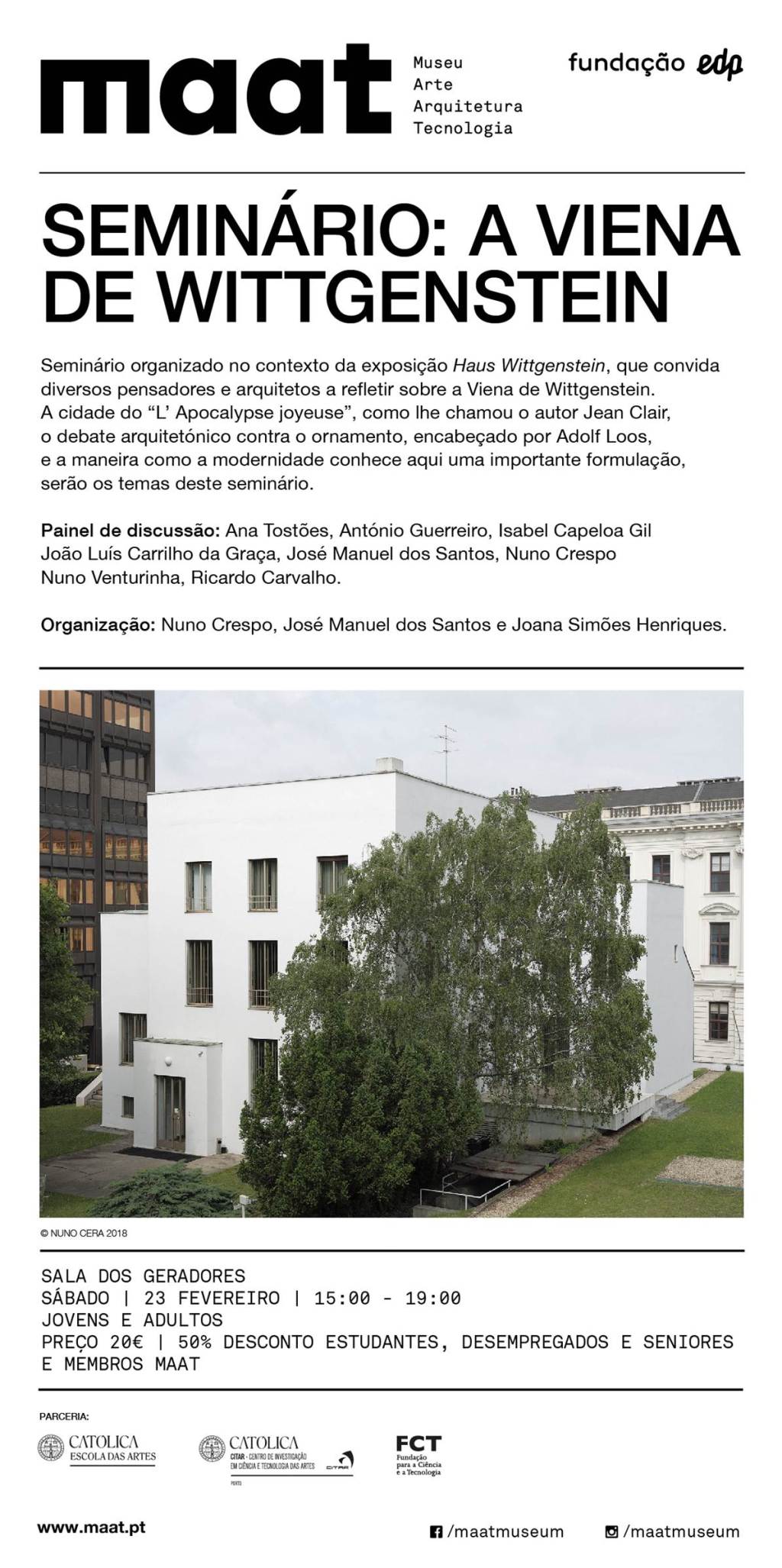
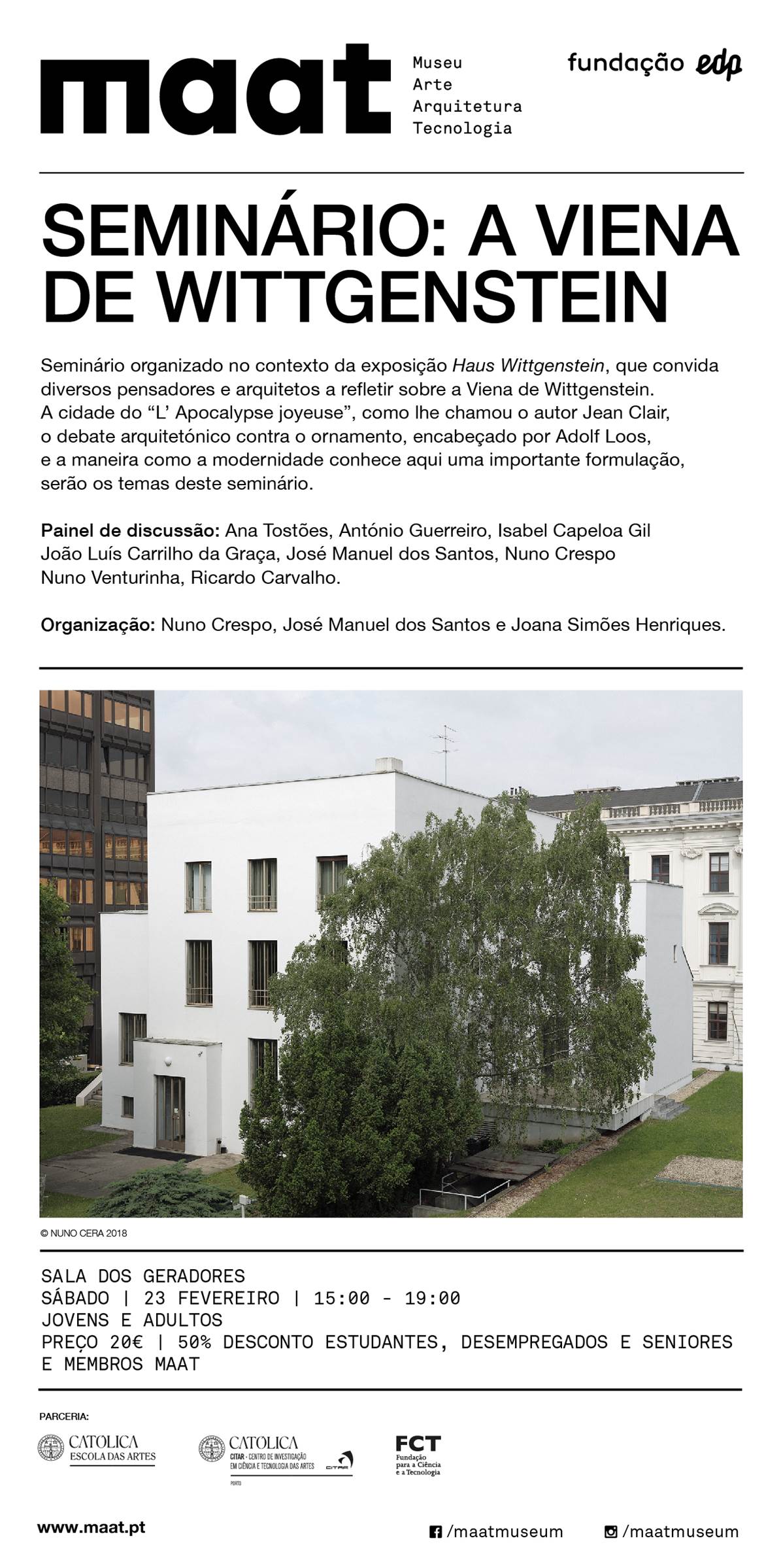
  • Seminário: A Viena de Wittgenstein

    Seminário: A Viena de Wittgenstein

    image001 (2).jpg

    Programa

    15h00 – 15h30

    Abertura + A exposição Haus Wittgenstein com Nuno Crespo

    15h30 – 17h00

    A Viena de Wittgenstein: a Viena do “L’ Apocalypse joyeuse”)

    Isabel Capeloa Gil

    António Guerreiro

    Debate moderado por José Manuel dos Santos.

    (Coffee break)

    17h30 – 19h00

    Wittgenstein e a Arquitetura: o debate arquitetónico encabeçado pelo arquiteto Adolf Loos

    Ana Tostões

    João Luís Carrilho da Graça

    Nuno Venturinha

    Debate moderado por Ricardo Carvalho

  • Call for Articles: Diffractions Graduate Journal for the Study of Culture

    Call for Articles: Diffractions Graduate Journal for the Study of Culture

    Call for Articles

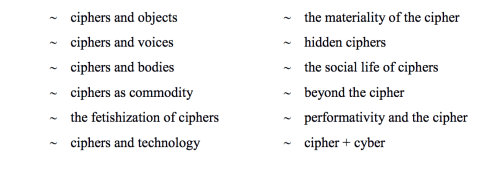
    (Dis-)covering ciphers: objects, voices, bodies.

    Deadline for submissions: October 31, 2018

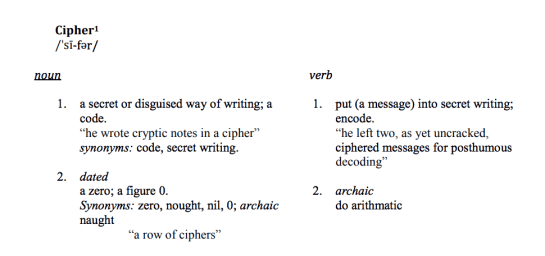
    To analyze the ways in which cultural objects acquire meaning can also be understood as looking at the technologies by which those objects have become enciphered. In this issue of Diffractions we aim to look at the concept of the cipher in its myriad ways of appearing, be they cultural, social, political, technological, linguistic or economic in nature.

    To give an example of that last category, one merely needs to point towards Marx’s theory on the fetishization of commodities. There, the process through which the material existence of products of labor can become invisible behind their exchange value, is formulated as a process of hiding what is central to the object; its material existence and its use value. In other words, the Marxist theory of fetishization can be understood as the discovery of a cipher, the cipher of exchange value.

    But the concept of the cipher travels easily, and can be situated in many locations. In Adriana Cavarero’s work on the voice, she considers the ways in which the bodily aspects that are associated with the vocal are often hidden behind its semiotic, linguistic, and signifying capacities. That is to say, speech functions as a cipher for the materiality of the vocal. The vocal needs to be deciphered.

    But what is a cipher? And how to know if we are dealing with a cipher to begin with? The cipher raises questions. In technologico-linguistic terms, a cipher calls for a key. A password. A way to de-cipher what was first en-ciphered. Perhaps a text that appears as a cipher is a plain text after all. The cipher’s call is not always obvious. Ciphers can conceal their act of concealing; hide not only what they are hiding, but that they are hiding as well; steganography.

    Ciphers cut. And, as Jacques Derrida writes, they produce an inside and an outside, insides and outsides.  In order to protect what is behind the cipher, the cipher has to function as a passageway, letting some through while excluding others. In order to be allowed to enter, something must already be known. The cipher marks the limits of something hidden. But some measure of knowledge is nevertheless presupposed. It marks the boundaries of a relationship. It conceals and shows at the same time. It covers and uncovers.

    If, for someone like Marx, the material manifestation of any object precedes its encipherment, others might submit, instead, that the cipher operates as the occasion for materialization to first take place. Mediation comes first, and materializes the body, someone like Judith Butler would argue. Following such accounts of the performative nature of subjection, one may suggest that the very materiality of the body is a product of a process that relies on cultural, linguistic, affective, and discursive, ciphers. And if the cipher conditions processes of materialization and subjectivation, one can ask if there is anything that escapes its logic. Is there an excess of meaning that remains neither enciphered, nor decipherable? To trace that excess would be to situate the cipher more precisely. It would be an attempt to recognize ciphers where they are, and to isolate those places where they remain absent.


    For the upcoming issue of Diffractions we would like to make the cipher speak. To allow it to be heard, perhaps against its will. To ask where the cipher begins, and what exceeds its limits. In doing so, we aim to connect the cipher to objects, to values, to voices, and to the body. Our goal is to investigate the ways in which these concepts can be made useful for the study of cultural objects. How objects of study might help us to make the cipher speak, and how the cipher might engage these objects in return.

    We look forward to receiving proposals of 5.000 to 9.000 words (excluding bibliography) and a short bio of about 150 words by October 31st, 2018 to be submitted at our website: https://diffractions.fch.lisboa.ucp.pt/Series2.

    Diffractions also accepts book reviews related to the issue’s topic. If you wish to write a book review, please contact us through the e-mail address below.

    We aim to be as accessible as possible in our communication. Should you have any questions, remarks, or suggestions, please do not hesitate to contact us through the following address: info.diffractions@gmail.com.

  • Call for Papers: IX Lisbon Summer School for the Study of Culture

    Call for Papers: IX Lisbon Summer School for the Study of Culture

    IX Lisbon Summer School for the Study of Culture

    Neurohumanities

    Promises & Threats

    Lisbon, July 1-6, 2019


    CALL FOR PAPERS

    Deadline for submissions: February 28, 2019

    When the US government declared the 1990s “The decade of the brain”, it aimed at raising public awareness toward the use of neuroscience for the enhancement of life quality and as a way to better address the challenges of growing life expectancy. The initiative was further supported by substantial research funding, which not only impressed public opinion but appealed to many research fields. Finding a link to brain research and the processes of the human mind, many disciplines were repositioned and adopted the “neuro” prefix, promising new insights into age-old problems by reframing them from the angle of the brain-mind continuum.

    Neuroscience seeks to explain how the brain works and which neurophysiological processes are involved in complex cognitive abilities like sensation and perception attention and reasoning, memory and thought.

    One of the most striking and unique features of the human mind is its capacity to represent realities that transcend its immediate time and space, by engaging complex symbolic systems, most notably language, music, arts and mathematics. Such sophisticated means for representation are arguably the result of an environmental pressure and must be accounted for in a complex network of shared behaviors, mimetic actions and collaborative practices: in other words, through human culture. The cultural products that are enabled by these systems are also stored by means of representation in ever-new technological devices, which allow for the accumulation and sharing of knowledge beyond space and across time.

    The artifacts and practices that arise from the symbolic use, exchange and accumulation are the core of the research and academic field known as the Humanities. The field has been increasingly interested in the latest developments deriving from neuroscience and the affordances they allow about the conditions and processes of the single brain, embedded in an environment, in permanent exchange with other brains in an ecology that is culturally coded.

    This turn of the humanities to neuroscience is embraced by many and fiercely criticized by others. The promise of the Neurohumanities, the neuroscientifically informed study of cultural artifacts, discourses and practices, lies in unveiling the link between embodied processes and the sophistication of culture. And it has the somewhat hidden agenda of legitimizing the field, by giving it a science-close status of relevance and social acknowledgement it has long lacked. Here, though, lies also its weakness: should the Humanities become scientific? Can they afford to do so? Should they be reduced to experimental methodologies, collaborative research practices, sloppy concept travelling, transvestite interdisciplinarity? Is the promise of the Neurohumanities, seen by some as the ultimate overcoming of the science-humanities or the two cultures divide, in fact not only ontologically and methodologically impossible and more than that undesirable? And how will fields like Neuroaesthetics, Cognitive Literary Theory, Cognitive Linguistics, Affect Theory, Second-person Neuroscience, Cognitive Culture Studies or Critical Neuroscience relate to the emerging omnipresence and challenges of Artificial Intelligence?

    The IX Summer School for the Study of Culture invites participants to submit paper and poster proposals that critically consider the developments of the Neurohumanities in the past decades and question its immediate and future challenges and opportunities. Paper proposals are encouraged in but not limited to the following topics:

    • 4E Cognition: embodied, embedded, enacted and extended
    • performance and the embodied mind
    • spectatorship and simulation
    • from individual to social cognition
    • mental imagery
    • empathy
    • memory, culture and cultural memory
    • cognition and translatability
    • mind-body problem
    • life enhancement
    • neuro-power
    • (neuro)humanities and social change
    • AI, cognition and culture

    The Summer School will take place at several cultural institutions in Lisbon and will gather outstanding doctoral students and post-doctoral researchers from around the world. In the morning there will be lectures and master classes by invited keynote speakers. In the afternoon there will be paper presentations by doctoral students.


    Paper proposals

    Proposals should be sent to lxsummerschool@gmail.com no later than February 28, 2019 and include paper title, abstract in English (max. 200 words), name, e-mail address, institutional affiliation and a brief bio (max. 100 words) mentioning ongoing research.

    Applicants will be informed of the result of their submissions by March 15, 2019.

    Rules for presentation

    The organizing committee shall place presenters in small groups according to the research focus of their papers. They are advised to stay in these groups for the duration of the Summer School, so a structured exchange of ideas may be developed to its full potential.

    Full papers submission

    Presenters are required to send in full papers by May 30, 2019.

    The papers will then be circulated amongst the members of each research group and in the slot allotted to each participant (30’), only 10’ may be used for a brief summary of the research piece. The Summer School is a place of networked exchange of ideas and organizers wish to have as much time as possible for a structured discussion between participants. Ideally, in each slot, 10’ will be used for presentation, and 20’ for discussion.

    Registration fees

    Participants with paper – 290€ for the entire week (includes lectures, master classes, doctoral sessions, lunches and closing dinner)

    Participants without paper – 60€ per session/day | 190€ for the entire week

    Fee waivers

    For The Lisbon Consortium students, there is no registration fee.

    For students from Universities affiliated with the European Summer School in Cultural Studies and members of the Excellence Network in Cultural Studies the registration fee is 60€.

    Organizing Committee

    • Isabel Capeloa Gil
    • Peter Hanenberg
    • Alexandra Lopes
    • Paulo de Campos Pinto
    • Diana Gonçalves
    • Clara Caldeira
    • Rita Bacelar

    For further information, please contact us through lxconsortium@gmail.com

  • Ballets Russes in Lisbon

    Ballets Russes in Lisbon

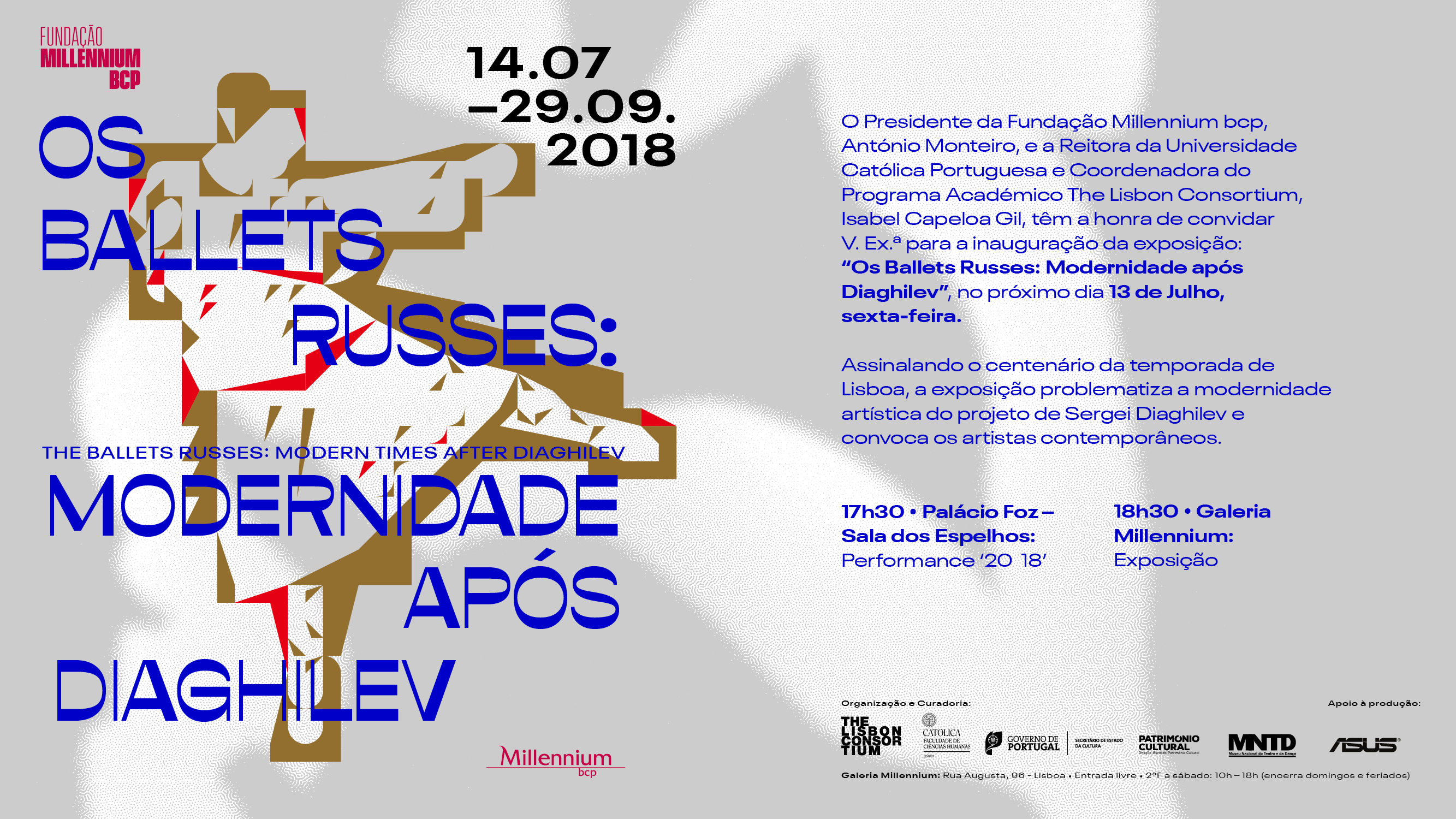
    The inauguration of the Nucleus “The Ballets Russes in Lisbon”  from the exhibition “Os Ballets Russes: Modernidade após Diaghilev”, will take place on July 26th at 6:00 pm, at Museu Nacional do Teatro e da Dança.


    V2_mntd_convite_ballet-russes.jpg

  • Ballets Russes exhibition in images

    Ballets Russes exhibition in images

    This slideshow requires JavaScript.

  • Ballets Russes: exhibition with participation of LxC students

    Ballets Russes: exhibition with participation of LxC students

    AF_e-convite_150_ballet-russes

    Celebrating the centenary of the Ballets Russes season in Lisbon, the exhibition  reflects on the artistic modernity of Serguei Diaghilev’s project and has the participation of contemporary artists.

    “The Ballets Russes: Modernity after Diaghilev” is a Lisbon Consortium project, with the support of Fundação Millennium BCP and other partners, coordinated by Professor Isabel Capeloa Gil, rector of Universidade Católica Portuguesa and director of the LxC, with the assistence of students of the MA and PhD programs in Culture Studies.

    The exhibition, that opens this friday and can be seen until the end of September, comprises three clusters, displayed in different cultural venues in Lisbon and includes a performance by Teatro Praga and a work by Vasco Araújo.

  • 4Cs Project inaugurates exhibition at Gulbenkian

    4Cs Project inaugurates exhibition at Gulbenkian

    13 Shots is the title of the exhibition project by artist Aimée Zito Lema (b. 1982, NL) which opens on Thursday 28 June at the Calouste Gulbenkian Museum (Modern Collection Project Space). Curated by researchers Luísa Santos, Ana Cachola and Daniela Agostinho, this is one of the eight chapters of the exhibition created as part of the 4Cs: from Conflict to Conviviality through Creativity and Culture, a collaborative project coordinated by FCH-UCP and co-funded by the European Union’s “Creative Europe” programme. The project presented here is the result of a period of research residency completed by the artist at Rua das Gaivotas 6. 13 Shots brings together works that explore various aspects of individual, social and political memory – the result of the artist’s collaboration with the Lisbon Theatre of the Oppressed Group at the Calouste Gulbenkian Museum’s Multipurpose Room. Through performative exercises co-created by the artist and the group, the intergenerational transmission of the 25 April revolution and the photographic archive of the ACARTE service become material for investigating the way in which memory is passed on through stories, images, gaps and silences that are reproduced, filled, and reimagined collectively.

    More information:


  • VIII Lx Summer School: program now online

    cartaz final imagem.png

    The VIII Lisbon Summer School for the Study of Culture, on Cyber+ Cipher+Culture is almost starting! You can check the news and the program on the website

  • VIII Graduate Conference: CFP deadline extension


    REPLACEMENT AND REPLACEABILITY

    6–7 December 2018 | Universidade Católica Portuguesa – Lisbon

    Deadline Extension


    We are happy to announce that the deadline for handing in abstracts concerning the call below has been extended. The earlier deadline was June 15th 2018. This has now been changed to June 30th 2018. We are looking forward to your proposals, and would still like to encourage you to hand in your abstracts as soon as possible because that would help us with some of the logistics. For more information concerning the event, go to replacementconference.wordpress.com. Should any questions arise, you can reach us at  replacementconference2018@gmail.com.


    Call for Papers

    We call for papers for the 8th Graduate Conference in Culture Studies. This edition will be on the theme of Replacement and Replaceability and takes place in Lisbon on the 6th and 7th of December 2018. The conference is organized by The Lisbon Consortium in conjunction with the Research Centre for Communication and Culture at the Universidade Católica Portuguesa.


    We aim to discuss the ways in which the concept of ‘replacement’ can be understood and productively used for the study of contemporary culture. Replacement has been one of the central concepts in the study of culture for quite some time, and, at the risk of overstating this claim, one could say that replacement is a concern in all fields of knowledge dealing with the study of culture today. It is, however, rarely the central focus in academic discussion and this event aims to contribute to a more detailed analysis of the uses, misuses, and usefulness of this particular concept for the study of cultural objects.


    Hearing the words replacement and replaceability, one naturally wonders: Who or what is being replaced? Who is doing the replacing? What counts as replaceable? Is there a logic of replacement? What happens when bodies are deemed replaceable for other bodies? Or for machines? How does replacement communicate with other, related, concepts, such as translation, repetition, reiteration, quotation, citation, metaphor, metonymy, synechdoche, and displacement? And how does it acquire meaning in connection to other concepts like false-consciousness, workforce, precariousness, simulacrum, spectacle, and ideology? How can replacement or replaceability be made useful for the study of cultural objects? Which objects warrant their use? It is on these and related questions that we invite abstracts to be presented at our conference.


    Ideas for proposals

    – Replacement, technology and labor.

    – Replacement and the body.

    – Replacement and disability.

    – Replacement and the queer body.

    – Replacement and colonialism.

    – Replacement and representation.

    – Replacement and translation.

    – Replacement and biopower.

    – Replacement and the digital.

    – Replacement by AI.

    – Replacement and recognition.

    – Replacement and knowledge production.

    – Replacement and simulacrum.

    – Replacement and death.

    – Replacement and the archive.

    – Replacement and documentation.


    Background

    Theoretical understandings of power tend to highlight the importance of controlled reproduction of human beings, or subjects, in order for power to function. One may think of a wide-ranging number of theorists here, from Karl Marx, through Louis Althusser, and on to Michel Foucault. In the study of bureaucratic modes of power exertion, documents can function as the irreplaceable expression of an identity or a right, as in the cases of identity cards, passports, and diplomas.


    In translation studies, the notion of translation as a specific act of replacement is of central concern. In media theory and the study of visual culture, the notion of representation can be understood as a moment in which the image replaces the ‘original.’ In literary studies, concepts such as metaphor and metonymy are examples of replacing one word for another, a procedure considered essential to the production of meaning through language.


    In Lacanian psychoanalysis, the mirror-stage functions as a scene in which the physical body is temporarily replaced by an imaginary double. Feminist- and queer theorists have often critiqued heterosexist and heteronormative approaches to otherness as failed, or attempted copies of heterosexual male life. In posthumanist discourses, the very notion of the human undergoes a moment of replacement by some kind of being that is no longer fully human and all too often celebrated as beyond the human in a teleological way. And post- and de-colonial theorists have read colonial activities of ‘Western powers’ as forced replacements of one culture for another.


  • Diffractions: new deadline for submissions

    Diffractions is an online, peer reviewed and open access graduate journal for the study of culture. The journal is published bi-annually under the editorial direction of graduate students in the doctoral program in Culture Studies at The Lisbon Consortium – Universidade Católica Portuguesa.

    After a short hiatus, Diffractions returns with this second series. If you are interested in the first series of Diffractions, which is discontinued, you can visit the old website at diffractions.net. From now on, all information on Diffractions can be found here. The old website will no longer be updated.

    Check our Call for Papers section to find out about our next issue.

    Find us online at https://diffractions.fch.lisboa.ucp.pt/Series2


    Call for Papers

    DIFFRACTIONS – Graduate Journal for the Study of Culture

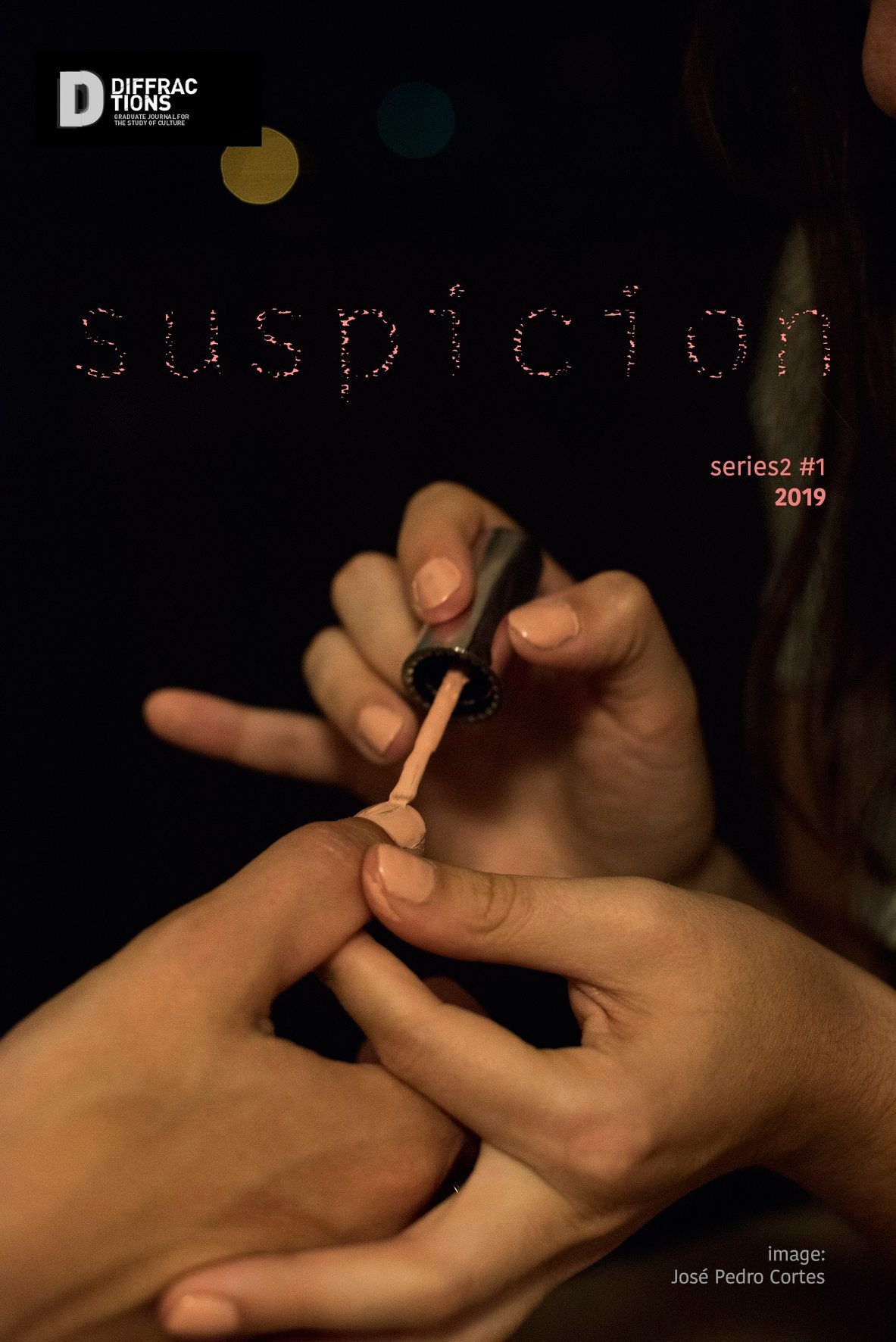
    Suspicion

    (NEW) Deadline for submissions: July 31, 2018

    Are we trapped in suspicion? This issue of Diffractions – Graduate Journal for the Study of Culture intends to open a discussion around the deep and pervasive sense of suspicion that has been planted in our society from its inception alongside claims for veracity, truth, surveillance, detection, semblance, expectation, risk, guesswork, discrimination, etc.. Paul Ricoeur already used the notion of suspicion to capture a common spirit that pervades the writings of Marx, Freud and Nietzsche. In spite of their obvious differences, he argues these thinkers jointly constitute a “school of suspicion”, sharing a commitment to unmasking “the lies and illusions of consciousness”. They create a distinctive modern style of interpretation that avoids classic categorizations or self-evident meaning in order to draw out less visible and less satisfying truths. Ricouer’s “hermeneutics of suspicion” had a great impact on literary studies, linking it to a larger history of suspicious interpretation, whereas more recently, in her book “The Limits of Critique”, Rita Felski highlights the difference between critique and suspicion, arguing in favour of the “unreliability of signs that secures the permanence of suspicion” (2015, 36).

    Suspicion is said to lead truth into crisis. But what is truth and who are the truth-tellers of our days? We have learned to be suspicious of the tendency to transform fact into opinion and of the blurry line that divides them. In visual culture, the realist access to the world, the ability to provide persuasive evidence, the possibility of indisputable proof, and the indexical bond between an image and what it represents, are notions that have come under suspicion. Some critique of representation was driven by the suspicion that there must be something ugly and terrifying behind the surface of the conventional idealized image. Ariella Azoulay called our attention to the “ritualistic dimension” of constantly having to reveal the existence of convention, changing the act of storytelling into a “critical position” of suspicion of any photographic image. If our worst suspicion is confirmed, and the hidden reality behind the image is shown to us, has our critical journey come to an end? While a suspicious reading may be helpful for critical analysis as a method, this is not to say that any suspicious reading is a good reading. Suspicion may also be cause for conspiracy theories that fail to bear witness to their objects of analysis.
    Suspicion can be read, on the one hand, as a modality of thinking the other as dangerous, suspicious, almost, or most probably, guilty. This mode of thinking suspicion means to turn it into an obstacle for change to come about, a mode of always already determining what the risks are, a mode of thinking that opens onto a logic of pre-emptive violence when taken to its limit. On the other hand, suspicion can allow for otherness as a site where something might occur, could happen, is as-of-yet undetermined. The latter is a prerequisite for change to come about, or rupture to take place.

    For this issue, we invite articles that question the usefulness of the concept of suspicion for the study of cultural objects. We also welcome work that considers how these cultural objects may scrutinize the very notion of suspicion.

    Contributions and original research might address but are not limited to the following topics:

    • History and archaeology of suspicion
    • Cultural representations of suspicion
    • Suspicion and visual culture
    • Suspicion and art
    • Suspicion and politics
    • Suspicion and media
    • Suspicion and conflict
    • Suspicion and identity
    • Suspicion and modes of reading
    • Suspicious bodies
    • Suspicion and critical thinking
    • Suspicion, paranoia and theories of conspiracy
    • Suspicion producing machines

    We look forward to receiving proposals of 5.000 to 9.000 words (not including bibliography) and a short bio of about 150 words by July 31, 2018 at the following address: info.diffractions@gmail.com

    DIFRRACTIONS also accepts book reviews related to the issue’s topic. If you wish to write a book review, please contact us.


    Editorial Team
    Ilios Willemars
    Sara Magno
    Vera Herold
    Sónia Pereira
    Ekaterina Smirnova
    Sophie Pinto

  • Save the date: special lecture on May 30 with Susanne Weber-Mosdorf

    Save the date: special lecture on May 30 with Susanne Weber-Mosdorf

    Susanne Weber-Mosdorf

    Susanne Weber-Mosdorf will be at Universidade Católica Portuguesa for a special lecture under the title “Challenges for the management of arts and philantropic strategies”, next May 30, at 6:00 pm, by invitation of Professor Isabel Capeloa Gil, director of The Lisbon Consortium.

    image001Susan Weber-Mosdorf is a German politician and supporter of the Arts and Culture. She was Director of the World Health Organization and is involved in the creation and development of the National Archive of Literature, in the State of Baden-Würtemberg, in Germany, being also a trustee of the Cinema Academy and the Language Academy of the same State. Her specialization is Public Policies to support Art.


  • Guided tour to “Significações”: June 1st

    imagem visita guiada 1 Junho


    On June 1st we will go to Sintra’s Art Museum to visit the photography exhibition Significação, guided by Ricardo Escarduça, student of the Master in Culture Studies. The artists will be present for a talk after the visit.

    A bus will leave UCP at 2.30 pm and will return from Sintra at 6.00 pm

    Those who are interested in coming with us, please send a confirmation email to lxconsortium@fch.lisboa.ucp.pt  before May 21, to secure a place in the bus.


  • Group photo exhibition curated by MA student

    Group photo exhibition curated by MA student

    The MA student Atena Abrahimia was the curator of the group photography exhibition “RECRIAR: Portugueses do Luxemburgo”, that gathers works by Sven Becker, Paulo Lobo, Bruno Oliveira, Jessica Theis. The exhibition will take place between the 7th and the 30th of June in Fábrica Braço de Prata, at Sala Arendt.

    The opening will be May 7

    ABOUT THE PROJECT

    Since the enlargement of the European Union to 28 countries, an increase of migration flows can be observed. During the past decade, the number of intra-European and, above all, international migrants has risen tremendously, which makes it one of the most important and urgent issues of our time.

    The group photography exhibition ‘RECRIAR: Portugueses do Luxemburgo’ concentrates on the public and private lives of the Portuguese who have settled down in Luxembourg since the 1960s. The works of four photographers from Luxembourg will be presented: Sven Becker, Paulo Lobo, Bruno Oliveira and Jessica Theis. Each of them will explore a different aspect of the theme.

    Since 1960, the number of Portuguese in Luxembourg has risen. Today they make up around 16% of the total Luxembourgish population. The Portuguese in Luxembourg represent the highest proportion of Portuguese in relation to the local population, outside of Portugal. What is the reason for this high percentage? What has driven so many Portuguese to leave their country and choose Luxembourg as their destination? Besides trying to find answers to these questions, this exhibition also examines the challenges of identity and belonging as well as the challenges and results of immigration which have shaped the Portuguese Luxembourgers and Luxembourg as a country.


    recriar_poster_final_sans_bordure_small

  • Exhibition at Parques de Sintra organized by a Lxc MA student

    Exhibition at Parques de Sintra organized by a Lxc MA student

    cartaz.png

    The exhibition “Significação. Outras Margens do Jardim” was organized and produced by the Lisbon Consortium Master student Ricardo Escarduça, with the coordination of Maria de Carvalho, during his internship at the Lxc partner Parques de Sintra-Monte da Lua. The exhibition, that opens May 5 and goes until June 3, shows the work of four artists, selected in the open competition. The  juri was composed by Isabel Capeloa Gil, Marc Lenot and Sérgio. B. Gomes and had Peter Hanenberg as scientif adviser.

    More information here

  • “Donald Trump’s Political Reality”: workshop program now available

    The workshop organized by PhD students from the Lisbon Consortium titled “Donald Trump’s Political Reality: The Politics of Fakery and the Fakery of Politics” will place from 10:00 to 18:00 on April 30, 2018 at the Universidade Católica Portuguesa. And continues from 21:00-22:00 in Anjos 70.

    The program is now available. 

  • Exhibition in London curated by Ana Cristina Cachola

    29133688_10156261894966031_7288510822152667136_n.jpg

    Rita GT
    ‘Escola ao lado | School next door’
    EXHIBITION:       March 22nd until April 3rd, 2018, 50 Golborne

    School next Door, the translation for the Portuguese “Escola ao Lado”, is the first solo exhibition of Portuguese Performance and Visual artist Rita GT who lives and works between Viana do Castelo, Portugal and Luanda, Angola.

    Curated by Ana Cristina Cachola, The Lesson nº1 – Learning with Golborne presents an Installation and a series of Performative, Expositional, Interventional and Collaborative actions that the artist has developed with the aim to explore both the wider and intimate historical and current narratives of immigration in West London.

    The School next door is laid out in the gallery with purposely conceived flat-pack furniture made as a collaboration between Rita GT, the architect Miguel Coutinho and the carpenters of the city council of her hometown. It features a series of artworks that Rita GT created for the site: photographs, ceramics, works on paper, and sound installations -inspired by research, interviews and performances she executed during previous residencies in this London neighbourhood.

    https://www.facebook.com/events/609440772725491/

    When the artistic gesture becomes vernacular gesture

    The notions of nativeness and domesticity, spontaneity and belonging, necessity and sharing are intrinsic to the vernacular. At a junction in which the future and the speculative occupy central places in contemporary thought, Rita GT focuses on a vernacular present built not only upon ideals of proximity, neighbourliness, urgency and priority, but also on a location that does not fit into a global-ness that is weakened by excessively broad categories: north, south, east, west, centre and periphery. The absence of an aesthetical orthodoxy and the urgencies of the everyday (dis)orient Escola ao Lado [School Next Door].  The Portuguese artist’s itinerant school and exhibition is shown for the first time in London with Learning from Golborne, a lesson that reflects on, and with, the Portuguese migrant community living in that area of the city.

    Recent years have been marked by a boom in the discourse about migratory phenomena, the so-called refugee crisis and the emergence of new migration typologies, notably in the arts, in academia and in the media. However, in this exhibition, Rita GT examines what she has learned about migrations from Golborne. In Golborne, a London street near renowned Portobello Road market, live a relatively large community of Portuguese emigrants. The older members of this community had left the country during the so-called (in Portugal) colonial war to avoid being drafted or to escape the dictatorial fascist regime known as Estado Novo (New State).

    Migration and escape

    The colonial war is an historical episode that left one of the deepest imprints in Portugal’s recent past. The conflict, opposing the Portuguese state and independence movements in Angola, Mozambique and Guinea, began in 1961 and raged across these three different theatres of war until 1974. Because of its impact on the lives of the Portuguese, the colonial war was, in and of itself, the main cause of the so-called Carnation Revolution of 25 April 1974, which brought an end to the authoritarian fascist regime that ruled in Portugal and fed the defence of its sovereignty over overseas territories.

    The regime, led by António de Oliveira Salazar, turned Portugal into a place where it was difficult to live. The hyper-conservative society promoted by Salazar and his propaganda machine was watched over by the political police – PIDE*–, the media were subject to censorship and young Portuguese forced to leave the country to fight in Africa. At the same time, most of the adult Portuguese population was illiterate or had but the lowest education level, in line with a policy that was part and parcel of the regime’s control apparatus.

    The few who had access to school were faced with a crystalized institution fully controlled by the regime. School manuals included, for instance, The Lessons of Salazar – illustrations synthesizing the ideological triad God, Fatherland and Family. These remain as unfinished episodes of recent Portuguese history, which are crucially important to think contemporary migratory phenomena, both involving the Portuguese and occurring in Portugal.

    The work of gender

    The various works that constitute the first lesson of Escola ao Lado are the result of the (un) disciplined methodology that intersects practices and knowledges, and of an apprenticeship ensuing from GT’s stay in Golborne Road.  For the most part, this stay was spent sitting at a table at Café Lisboa, learning through conversation and through the stories she heard.  These conversations were complemented by other methods of investigation, both plastic and involving historiographic revision and demographic research.

    While today Portugal is already (also) a country that receives emigrants, in the 1960s-70s it mostly witnessed the departure of its populations in search of better living conditions. Given the low educational level of the Portuguese, men worked mostly in construction or as unskilled workers, while the women, whose access to school was even more limited, did menial work in private homes or in the hotel industry.

    Precisely transversal to Rita GT’s work are gender (discrimination) issues, which emerge in the first lesson of Escola ao Lado.  In the series of photo-performances that she carried out in Golborne Road, the artist puts on an overall which reads ‘Mulher a dias [Journeywoman]’. ‘Mulher a dias’ is colloquial Portuguese expression referring to a woman in charge of domestic services (tasks that are always and only performed by women) in private homes and is paid by the hour or by the day without the right to any type of labour contract or bond. Made worse by gender, the precariousness of this situation is exposed by the artist and feminist.

    The pedagogical drive in contemporary art

    The educational installation or predisposition in (contemporary) art is neither new nor original. Numerous artists have already addressed this pedagogical drive resorting to various strategies and approaches, from radical pedagogy to anti-schooling activism. Aside from the fact that, in its association with the concept of originality, the new is an irrelevant characteristic in contemporary art, the school institution still plays a fundamental role in social and cultural structure. In this context, to insist on artistic pedagogy is still relevant in the domain of ethically oriented artistic production.

    In Escola ao Lado, each lesson corresponds to a different exhibition-installation prepared according to different processes, based on dialogues and apprenticeships of the artist with the communities in the vicinity of the itinerant school’s location – the vernacular present of peripheral zones. The various valences of the school– performative, expositive, interventional, recreational – are ransomed into an horizontal structure of participation. In this sense, the positions of pupils and teachers may alternate in order to avoid generating fixed hierarchies in the production of knowledge, steering clear of the rigidity of enunciating subjects and the reproduction of themes.

    Sou um instrumento (poros sintomáticos) [I am an instrument (symptomatic pores)], a performance by Rita GT with Nigerian singer and composer Keziah Jones, is an example of that. In itself, the title is ambiguous. While on the one hand I am an instrument may point to the instrumentalization of subjects by authoritarian forces (for instance), on the other, it contains in itself a counter-discursive potency, everyone’s ability to be a subversive instrument. In this performance, both GT and Jones dress clothes made of sound speakers from which the artists’ textual and musical compositions are projected live. The tiny perforations on the speakers are reminiscent of pores, whose secretions, although beyond our control, are essential to maintain the balance of the human body. The clothing used in the performance will be part of the exhibition, along with the resulting sound.

    Itinerant collaboration  

    This school echoes with many voices. Aside from a programme of informal talks with Georges Shire and Yvette Greslé, the work Laringite – Vozes Invisíveis [Laryngitis – invisible voices], developed in collaboration with João Gigante, records the voices and stories of Portuguese emigrants residing in Golborne. Many of these voices are imperceptible; like disembodied tongues, these voices find shelter inside ceramic larynxes and tracheas.  The larynx and the trachea, among other functions protect the vocal chords and the airway that allow us to have a voice. Therefore, the tables of Escola ao Lado (whose first version was designed in collaboration with Miguel Dias Coutinho) are occupied by voice shelters.

    In Portugal, the school is still one of the most problematic institutions in its relationship with, and description of, the country’s colonial past. The same is true of migratory phenomena. Several activists and researchers, such as Joacine Katar Moreira or Mamadou Ba, have drawn attention to the need of an urgent intervention in Portuguese school programmes so that the nature of the colonial past might be recognized in its aspects of violence and slavery.  At the same time, migratory flows are approached from a simplistic standpoint, i.e., from geographic coordinates or empirical data that exclude systemic issues such as racism, xenophobia or sexism. It is necessary to rethink the school, to find alternative formats and to localize it at the very same time that it becomes itinerant.

    After London, Escola ao lado will travel to Viana do Castelo, GT’s hometown, and to Luanda, where the artist lived from 2012 to 2015, keeping the reflections on migration as a palimpsest, which will be the core of the entire process, each lesson preserving something of the previous lesson. The generated knowledge will be in itinerancy with the school, which will be reconstructed and adapted at each location. The performance-gestures and activism-actions of Rita GT will also engage with many places, so as to learn from them.  With Rita GT we know that the artistic gesture is also vernacular.

    Ana Cristina Cachola

    March 2018

    * TN – PIDE, Polícia Internacional e de Defesa do Estado [International and State Defense Police]


  • CALL FOR APPLICATIONS FCT Scholarships

    CALL FOR APPLICATIONS FCT Scholarships

    CALL FOR APPLICATIONS FCT Scholarships (2018-2019)

    The International Doctoral Program in Culture Studies at the Lisbon Consortium (INTDCS), funded by the Foundation for Science and Technology (FCT), hereby announces the opening of a call for applications for 7 full fellowships (3 national grants and 4 mixed grants) in the academic year 2018-2019, in accordance with FCT’s Research Fellowship Holder Statute (http://www.fct.pt/apoios/bolsas/estatutobolseiro.phtml.en) and FCT’s Regulation for Research Studentships and Fellowships (http://www.fct.pt/apoios/bolsas/regulamento.phtml). The Steering Committee of the Program will be responsible for selecting the candidates who will be awarded the grants. Grant Agreements will be signed directly between the selected candidates and FCT.

    The international PhD program in Culture Studies offers a joint doctoral degree by three top tiered European universities in Portugal (School of Human Sciences, Catholic University of Portugal), Germany (International Graduate Center for the Study of Culture, Justus-Liebig University Giessen) and Denmark (Department of Arts and Cultural Studies, University of Copenhagen).

    The program speaks to an innovative approach to the study of culture that works across disciplines in the social sciences and humanities and aims at fostering a research-intensive environment that is simultaneously collaborative and promotes practice and art-based projects. As part of a tri-national network, students will benefit from up to two semesters at one of the partner institutions.

    SCIENTIFIC FIELD

    Culture Studies

    APPLICATIONS PERIOD

    The period of applications will open on April 4 and run through June 1.

    ELIGIBILITY

    Applicants are eligible provided they have been accepted into the Doctoral Program in Culture Studies of the Lisbon Consortium and comply with the following:

    – National grants: Portuguese citizens or foreign citizens;

    – Mixed grants: Portuguese citizens or foreign citizens who are able to prove habitual or permanent residence in Portugal upon application;

    – Holders of MA degree or recognized equivalent upon application [foreign MA degrees must be recognized/registered. The process needs to be concluded upon application – for more information, please consult:

    http://www.dges.mec.pt/en/pages/naric_pages/academic_recognition/recognition_foreign_qualifications.html];

    – Very good academic performance;

    – Excellent CV;

    – Sufficient undergraduate training to do graduate work in the chosen field or relevant professional experience;

    – Have not previously received an identical type of FCT-funded fellowship for the same purpose;

    – Competence in English (IELTS 7.0 minimum; TOEFL 100 + minimum 24 in all skills; Cambridge Advanced Certificate B; CEFR C1). Certificate attained in the last 2 years.

    GRANT

    The grant is awarded for a 12-month period, renewable up to a maximum of 4 years, and includes a monthly maintenance stipend and a tuition fee stipend, in accordance with the current FCT stipend scheme (http://www.fct.pt/apoios/bolsas/valores.phtml.en). It cannot be awarded for less than 3 consecutive months.

    Grants awarded within this call cannot start before September 2018.


    APPLICATIONS

    Applications should be sent by e-mail to lxconsortium@gmail.com or by registered mail to:

    International Doctoral Program in Culture Studies
    The Lisbon Consortium
    Faculdade de Ciências Humanas
    Universidade Católica Portuguesa
    Palma de Cima
    1649-023 Lisboa
    Portugal


    Applications must include the following documents:

    Application Form;

    – Transcript of records;

    – MA degree certified by the awarding institution (foreign MA degrees must be recognized/registered);

    – Copy of identification document (Passport or ID card);

    – Detailed CV;

    – A personal statement indicating the student’s motivation and interest in the program (max. 3.000 characters);

    – Abstract of a preliminary research project (max. 15.000 characters);

    – Indication of Supervisor (only if possible);

    – Certificate of English proficiency (except for native speakers).


    [Please consult the Lisbon Consortium PhD Application Guidelines here for further information]

    EVALUATION

    Proceedings for the awarding of fellowships will be based on the following selection criteria:

    – Stage 1: Analysis of academic and scientific curriculum;

    – Stage 2: Interview (in person or by videoconference) with the international Steering Committee.


    The ranking of admissions will be established on a 0-100 points scale, according to the following percentage breakdown:

    • Academic excellence (track record) – 40%
    • Academic potential (interview) – 20%
    • Motivation, innovation and professional skills (research statement) – 25%
    • English language skills – 15%

    INTERNATIONAL STEERING COMMITTEE

    – Professor Dr. Isabel Capeloa Gil

    – Professor Dr. Frederik Tygstrup

    – Professor Dr. Ansgar Nünning

    – Professor Dr. Alexandra Lopes

    – Professor Dr. Peter Hanenberg

    PUBLICATION OF RESULTS

    Results will be sent to all candidates by e-mail and will also be available on the Program’s website at https://lisbonconsortium.com/. If the decision is unfavorable, applicants have a period of 10 working days to submit their comments, under the terms established in the Administrative Procedure Code. The final decision can be appealed to the Fundação para a Ciência e a Tecnologia, within 15 working days of its notification.

    FUNDING

    The scholarships awarded under this contract will be financed by funds from the State Budget of the MCTES (Ministério da Ciência, Tecnologia e Ensino Superior)/FCT and, when eligible, by funds from the European Social Fund through the Programas Operacionais during the period 2014-2020, from Portugal 2020, namely, the Programa Operacional Temático do Capital Humano, the Programa Operacional Regional do Norte, do Centro or do Alentejo, in accordance with the provisions of their specific regulations.

    For more information please contact us at:

    International Doctoral Program in Culture Studies
    The Lisbon Consortium
    Faculdade de Ciências Humanas
    Universidade Católica Portuguesa
    Palma de Cima
    1649-023 Lisboa
    Portugal
    lxconsortium@fch.lisboa.ucp.pt | lxconsortium@gmail.com

  • CALL FOR PAPERS: VIII Graduate Conference in Culture Studies

    viii graduate conference.png

    REPLACEMENT AND REPLACEABILITY IN CONTEMPORARY CULTURE

    VIII Graduate Conference in Culture Studies

    6–7 December 2018 | Universidade Católica Portuguesa – Lisbon


    Call for Papers

    We call for papers for the 8th Graduate Conference in Culture Studies. This edition will be on the theme of “Replacement and Replaceability in Contemporary Culture” and takes place in Lisbon on the 6th and 7th of December 2018. The conference is organized by The Lisbon Consortium in conjunction with the Research Centre for Communication and Culture at the Universidade Católica Portuguesa.

    We aim to discuss the ways in which the concept of ‘replacement’ can be understood and productively used for the study of contemporary culture. Replacement has been one of the central concepts in the study of culture for quite some time, and, at the risk of overstating this claim, one could say that replacement is a concern in all fields of knowledge dealing with the study of culture today. It is, however, rarely the central focus in academic discussion and this event aims to contribute to a more detailed analysis of the uses, misuses, and usefulness of this particular concept for the study of cultural objects.

    Hearing the words replacement and replaceability, one naturally wonders: Who or what is being replaced? Who is doing the replacing? What counts as replaceable? Is there a logic of replacement? What happens when bodies are deemed replaceable for other bodies? Or for machines? How does replacement communicate with other, related, concepts, such as translation, repetition, reiteration, quotation, citation, metaphor, metonymy, synechdoche, and displacement? And how does it acquire meaning in connection to other concepts like false-consciousness, workforce, precariousness, simulacrum, spectacle, and ideology? How can replacement or replaceability be made useful for the study of cultural objects? Which objects warrant their use? It is on these and related questions that we invite abstracts to be presented at our conference.


    Ideas for proposals

    -Replacement, technology and labor.

    – Replacement and the body.

    – Replacement and disability.

    Replacement and the queer body.

    Replacement and colonialism.

    Replacement and representation.

    Replacement and translation.

    Replacement and biopower.

    Replacement and the digital.

    Replacement by AI.

    Replacement and recognition.

    Replacement and knowledge production.

    Replacement and simulacrum.

    Replacement and death.

    Replacement and the archive.

    – Replacement and documentat

    Background

    Theoretical understandings of power tend to highlight the importance of controlled reproduction of human beings, or subjects, in order for power to function. One may think of a wide-ranging number of theorists here, from Karl Marx, through Louis Althusser, and on to Michel Foucault. In the study of bureaucratic modes of power exertion, documents can function as the irreplaceable expression of an identity or a right, as in the cases of identity cards, passports, and diplomas.

    In translation studies, the notion of translation as a specific act of replacement is of central concern. In media theory and the study of visual culture, the notion of representation can be understood as a moment in which the image replaces the ‘original.’ In literary studies, concepts such as metaphor and metonymy are examples of replacing one word for another, a procedure considered essential to the production of meaning through language.

    In Lacanian psychoanalysis, the mirror-stage functions as a scene in which the physical body is temporarily replaced by an imaginary double. Feminist- and queer theorists have often critiqued heterosexist and heteronormative approaches to otherness as failed, or attempted copies of heterosexual male life. In posthumanist discourses, the very notion of the human undergoes a moment of replacement by some kind of being that is no longer fully human and all too often celebrated as beyond the human in a teleological way. And post- and de-colonial theorists have read colonial activities of ‘Western powers’ as forced replacements of one culture for another.


    We invite proposals for contributions in the form of 20-minute presentations in which replacement or replaceability are used either as concepts of analysis, put into dialogue with a cultural object, or in which the concepts themselves come under theoretical scrutiny.

    Proposals should be no longer than 250 words and have to be sent to replacementconference2018@gmail.com no later than June 15th 2018.

    Your abstract will be peer reviewed and you will receive notification of acceptance as soon as possible thereafter, but no later than the end of July 2018.

    Upon acceptance you will be requested to register and provide some personal details to finalize your registration.

    The conference will be a two-day event, taking place at the Universidade Católica Portuguesa. It is scheduled to take place on the 6th and 7th of December 2018.


    Registration fee

    The Registration Fee is €50,00 (this includes lunch, coffee breaks and conference materials).

    For The Lisbon Consortium students and members of CECC, there is no registration fee.

    Organizing Committee

    Sara Magno, Jad Khairallah & Ilios Willemars


    For more information, updates and details, see replacementconference.wordpress.com/

  • 4 Cs: video of the artistic residency of Aimée Zito Lema in Lisbon

    aimée video webpage

    During her month-long residency at Rua das Gaivotas 6, Aimée Zito Lema (n. 1982, NL) has developed research on memory and the intergenerational transmission of events through material history and the human body. Through a methodology anchored in critical analysis, the artist conducted interviews with researchers, organized workshops with a group of teenagers (together with Pedro Penim, from Teatro Praga), and observed the work of Grupo de Teatro do Oprimido, in order to question the role of the body as agent of transformation and understanding of social histories.

    You can now see the video on 4 Cs webpage!

  • Student’s curatorship project: Artivism = Capital

    Student’s curatorship project: Artivism = Capital

    Artivism = Capital – puts together the students’ final projects of the 2nd edition of the Curatorship seminar, in the frame of the MA & PhD international program in Culture Studies. This curatorial project unites 4 artworks prepared by the Portuguese and international artists Alexandra Ferreira & Bettina Wind, Maria Trabulo, Marilá Dardot and Nikolaj Bendix Skyum Larsen, who draw attention to problems such as migration crisis, passive citizenship, economic instability, and political injustice.
    Artivism = Capital will be published online as a special edition of Contemporânea magazine.

    Follow the project activities on facebook and on instagram.

  • Summer School Call for papers: deadline extension

    VIII Lisbon Summer School for the Study of Culture

    Cyber+Cipher+Culture

    Lisbon, July 2-7, 2018

    DEADLINE EXTENSION: FEBRUARY 28

    The Summer School for the Study of Culture, the yearly seminar for doctoral students in the critical humanities and cultural analysis, will in 2018 inspect the contentious realm of cyber, as it performs the fluid and the solid, the evanescence of the cloud and the heavy materiality of technology, the fear of war and the brave world of global information, surveillance and security, the right of inspection and the obfuscation of knowledge. Under the conditions of modernity 4.0, the prefix cyber seems to have become the point of entry for a new narrative of experience. One that draws on a technological unconscious to reboot modes of conviviality, modes of knowledge production, the organization of society, the very definition of democracy, the idea of the human. Coined by mathematician Norbert Wiener, the term cybernetics referred to the science of autonomous machines, that could both adapt their behavior and learn. Cybernetics developed out of a system structured upon coding models. The infrastructure of the new autonomous machines was helpless without the incision, the graphing of the software that would effectively bring them to life.

    The Summer School brings together cyber with cipher in order to discuss the manifold incisions that write the machine into life and the strategies that users need to read them back. As Jacques Derrida famously claimed, writing always connotes an element of fracture, of removal from ‘the real’ context. Writing bears the signature of a physical absence – of the subject and of the context – and articulates a moment of rupture, enacted as a counter act or as a mode of dissent under the very act of writing. As our social and cultural experience is being increasingly shaped, written over and redone by the cyber world, it is also here in the utopian drive for perfectioning the human that the hope of resistance before the oblique powers of modernity may lie.

    Amongst other theme-related presentations, papers are welcome on the following topics:

    • Cyberculture and creativity;
    • Cyber mediation and the future of cultural media;
    • Citizenship, the public space and the right to privacy;
    • Cyberactivism;
    • Writing cybernetics: Net literature and the literary network;
    • The transformation of the face of war;
    • Surveillance and critique;
    • Cyberterrorism/cybersecurity and the artistic conviviality;
    • Critical thinking in the age of drones;
    • Representing cyber.


    Speakers:

    Mandy Merck (Royal Holloway College)

    Carla Ganito (Universidade Católica Portuguesa)

    Frederik Tygstrup (University of Copenhagen)

    Marie-Laure Ryan (independent scholar)

    Lev Manovich (City University of New York)

    Luís Gustavo Martins (Universidade Católica Portuguesa)

    Gustavo Cardoso (ISCTE – Instituto Universitário de Lisboa)

    Manuel Portela (Universidade de Coimbra)

    The Summer School will take place at several cultural institutions in Lisbon and will gather outstanding doctoral students and post-doctoral researchers from around the world. In the morning there will be lectures and master classes by invited keynote speakers. In the afternoon there will be paper presentations by doctoral students.

    Paper proposals

    Proposals should be sent to lxsummerschool@gmail.com no later than February 28, 2018 and include paper title, abstract in English (max. 200 words), name, e-mail address, institutional affiliation and a brief bio (max. 100 words) mentioning ongoing research.

    Applicants will be informed of the result of their submissions by March 15, 2018.

    Rules for presentation

    The organizing committee shall place presenters in small groups according to the research focus of their papers. They are advised to stay in these groups for the duration of the Summer School, so a structured exchange of ideas may be developed to its full potential.

    Full papers submission

    Presenters are required to send in full papers by May 30, 2018.

    The papers will then be circulated amongst the members of each research group and in the slot allotted to each participant (30’), only 10’ may be used for a brief summary of the research piece. The Summer School is a place of networked exchange of ideas and organizers wish to have as much time as possible for a structured discussion between participants. Ideally, in each slot, 10’ will be used for presentation, and 20’ for discussion.

    Registration fees

    Participants with paper – 265€ for the entire week (includes lectures, master classes, doctoral sessions, lunches and closing dinner)

    Participants without paper – 55€ per session/day | 180€ for the entire week

    Fee waivers

    For The Lisbon Consortium students, there is no registration fee.

    For students from Universities affiliated with the European Summer School in Cultural Studies and members of the Excellence Network in Cultural Studies the registration fee is 50€.


    Organizing Committee

    • Isabel Capeloa Gil
    • Peter Hanenberg
    • Alexandra Lopes
    • Paulo de Campos Pinto
    • Diana Gonçalves
    • Clara Caldeira
    • Rita Bacelar


    For further information, please contact us through lxsummerschool@gmail.com. Find us online at http://www.lisbonconsortium.com.


  • 4 Cs project now online!

    4 Cs project now online!

    The 4 Cs From Conflict to Conviviality through Creativity and Culture, a European Cooperation Project co-funded by the Creative Europe Programme of the European Union, coordinated by Universidade Católica Portuguesa with several cultural international partners, is now online. You can follow the activities of the 4 year project on the website and also on facebook.

    4Cs: From Conflict to Conviviality through Creativity and Culture is a European Cooperation Project co-funded by the Creative Europe Programme of the European Union. The 4Cs seeks to understand how training and education in art and culture can constitute powerful resources to address the issue of conflict as well as to envision creative ways in which to deal with conflictual phenomena, while contributing to audience development through active participation and co-production. The project aims at advancing the conceptual framework of intercultural dialogue and enhancing the role of public arts and cultural institutions in fostering togetherness through cultural diversity and intercultural encounters.

    The European Commission has acknowledged that tackling the migration and refugee crisis is a European obligation that requires a comprehensive strategy and a determined effort. Within such framework, the European Commission has emphasised the role of culture and the arts in contributing towards building a more cohesive and open society through the integration of refugees, helping them to better understand their new environment and its interaction with their own socio-cultural background.

    Grounded in the belief that culture and creative practice can emerge as powerful resources in conflict situations, the 4Cs wishes to respond to this challenge by exploring the ways in which culture and the arts can help bring individuals together within a model of intercultural dialogue, mutual recognition, and equal participation. This will be achieved by fostering equal involvement and by promoting cross-cultural collaboration through the creation and development of different activities such as exhibitions, artistic and research residencies, film screenings, mediation labs, workshops, conferences, publications, an online platform, and a Summer School.

    The 4Cs aims at responding to the challenges of migration, security, and freedom of expression by raising awareness about the role of creative and cultural work in the strengthening of European identity and European citizenship in a project of peace and conviviality. The 4Cs will support community members in their role as active agents in the cultural scene at local, regional, national, and international levels and contribute to a lasting change of attitude and active citizenship in local communities.

    Project leader

    • Faculdade de Ciências Humanas | Universidade Católica Portuguesa FCH|UCP (PT)
    • Scientific Co-coordinators: Isabel Capeloa Gil and Luísa Santos
    • Project Coordinator: Luísa Santos
    • Project Manager: Ana Fabíola Maurício
    • Coordinating Committee: Peter Hanenberg (Research Coordinator); Adriana Martins (Researcher); Daniela Agostinho (Researcher); Ana Cachola (Researcher); Sónia Pereira (Assistant Researcher); Inês Espada Vieira (Researcher); Elisabete Carvalho (Secretary)

    Partners

    • Tensta Konsthall (SE): Maria Lind (Artistic Director and Curator) and Hedvig Wiezell (Project Manager)
    • SAVVY Contemporary (DE): Bonaventure Ndikung (Artistic Director and Curator), Elena Agudio (Artistic co-director and co-curator), Lema Sikod (Project Manager)
    • Royal College of Art (UK): Michaela Crimmin (Artistic Director) and Peter Oakley (Project Manager)
    • Fundació Antoni Tàpies (ES): Carles Guerra (Artistic Director), Linda Valdés (Project Manager), Núria Bardalet (co-Project Manager), and Anna Saurí (co-Project Manager)
    • Vilnius Academy of Arts (LT): Rasa Antanavičiūtė (Artistic Director), Vytautas Michelkevicius (Project Manager), Evelina Rinkeviciute (Assistant to the Project Manager)
    • Museet for Samtidskunst (DK): Birgitte Kirkhoff Eriksen (Artistic Director and Curator) and Magnus Kaslov (Project Manager and Curator)
    • ENSAD (FR): Anna Bernagozzi (Project Manager, Researcher and Curator)

    Steering Committee

    • Isabel Capeloa Gil – Universidade Católica Portuguesa (PT)

    • Luísa Santos – Universidade Católica Portuguesa (PT)

    • Maria Lind – Tensta Konsthall (SE)

    • Bonaventure Ndikung – Savvy Contemporary (DE)

    • Michaela Crimmin – Royal College of Art (UK)

    • Carles Guerra – Fundació Antoni Tàpies (ES)

    • Rasa Antanavičiūtė – Vilnius Academy of Arts (LT)

    • Birgitte Kirkhoff Eriksen – Museet for Samtidskunst (DK)

    • Anna Bernagozzi – ENSAD (FR)